

A Jeep Owner's Guide to 1997-2006 TJ Oxygen Sensor Replacement
Fix your check engine light and poor gas mileage by choosing the right oxygen sensor for your Jeep TJ.
- For the 1997-2006 Jeep TJ, it is highly recommended to use NTK (NGK) brand oxygen sensors, as they are the original OEM supplier and prevent compatibility issues.
- Verify the number of sensors your TJ needs: 1997-2000 models usually have two, while 2001-2006 4.0L models have four.
- A bad oxygen sensor can cause more than a check engine light; it can lead to poor fuel economy, rough running, and eventually damage the catalytic converter.
- If you own a 2005-2006 TJ and have issues with emissions readiness monitors, check for TSB 25-005-13, which may require a wiring fix.
Is Your Jeep TJ's Oxygen Sensor Failing?

A bad oxygen sensor is a common issue on the 1997-2006 Jeep TJ that can hurt performance and fuel economy. When a sensor fails, it can't provide the right information to your Jeep's computer. This often leads to a few distinct symptoms that are hard to ignore.
Common Failure Symptoms:
- Check Engine Light (CEL): This is the most common sign. A code scanner will often point to a specific sensor that is having a problem.
- Poor Fuel Economy: If you're stopping for gas more often, a bad O2 sensor could be forcing the engine to use more fuel than necessary.
- Rough Idle or Misfire: An incorrect air-fuel mixture can cause your engine to run poorly, shake at idle, or hesitate when you accelerate.
- Rotten Egg Smell: A strong smell of sulfur or gasoline from the exhaust can mean the engine is running too rich, a condition a bad sensor can cause.
- Failed Emissions Test: A failing O2 sensor can directly lead to a failed smog test because it can't properly monitor emissions.
Don't Ignore a Failing Sensor
While you can drive with a bad O2 sensor, it's not recommended for long. Running your engine too rich can eventually damage your expensive catalytic converters. It's much cheaper to replace a sensor than a catalytic converter.
How Many Oxygen Sensors Does My TJ Have?

This is the most common mistake people make when ordering parts. The number of sensors depends on your TJ's year and engine. Always confirm your configuration before buying.
- 1997-2000 (2.5L & 4.0L): These models typically have two oxygen sensors. One is located upstream (before the catalytic converter) and one is downstream (after the catalytic converter).
- 2001-2006 (4.0L): These models have four oxygen sensors. Chrysler changed the exhaust design to include two small pre-catalytic converters in the exhaust manifold. This requires two upstream sensors (one for each engine bank) and two downstream sensors.
- 2003-2006 (2.4L): These models also use a four-sensor setup.
Choosing the Right Aftermarket Sensor: Brand Matters

For most vehicles, many aftermarket brands work fine. However, the Jeep TJ's computer is known to be very particular about its oxygen sensors. Choosing the wrong brand can lead to persistent check engine lights and performance issues, even with a brand-new part.
Brand Recommendations for the Jeep TJ
Tier 1 (OEM-Equivalent): NTK / NGK
The overwhelming consensus among TJ owners is to use NTK sensors. NTK was the original equipment manufacturer (OEM) for Mopar on these Jeeps. Buying an NTK sensor from an aftermarket source is the same as getting the dealer part without the dealer price. This is the safest and most recommended choice to ensure compatibility.
Tier 2 (Acceptable): Denso
Denso is another high-quality Japanese parts manufacturer. While not the original OEM brand for the TJ, their sensors are well-regarded for quality and are generally a safe bet if NTK is not available.
Tier 3 (Use With Caution): Bosch & Other Budget Brands
This is where TJ owners need to be careful. While Bosch is a pioneer of the oxygen sensor, their aftermarket sensors are widely reported to cause problems in Jeep TJs. The issue often relates to differences in the sensor's internal heater circuit, which the Jeep's computer can reject, leading to fault codes. It is strongly recommended to avoid Bosch sensors for this specific vehicle to prevent future headaches.
Pro Tip: Check the Connector
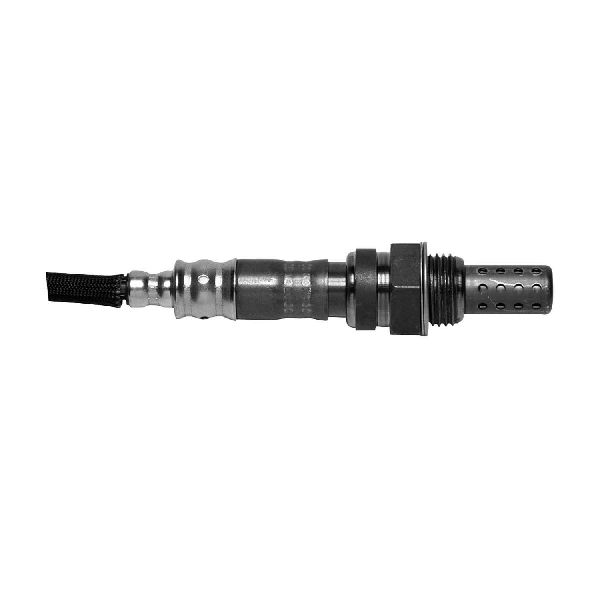
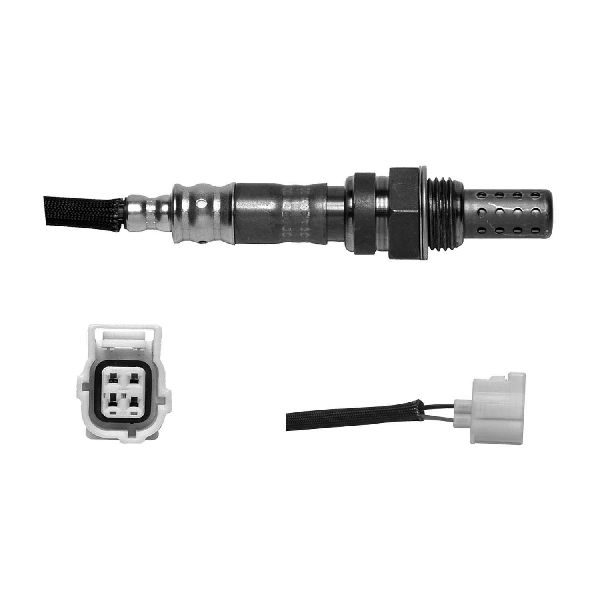
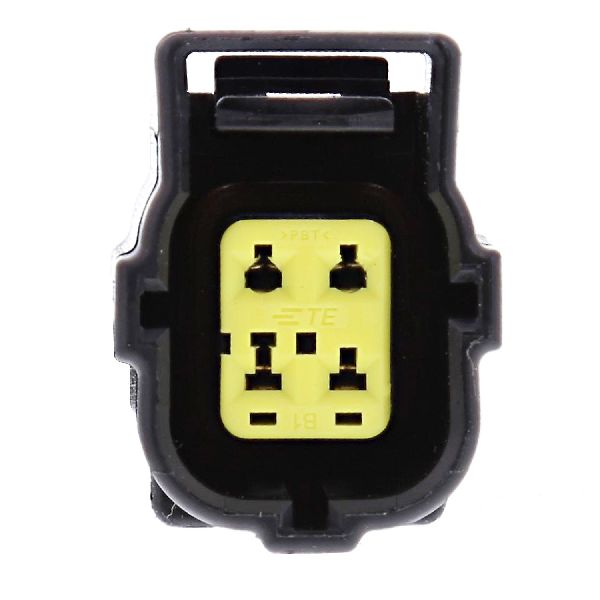
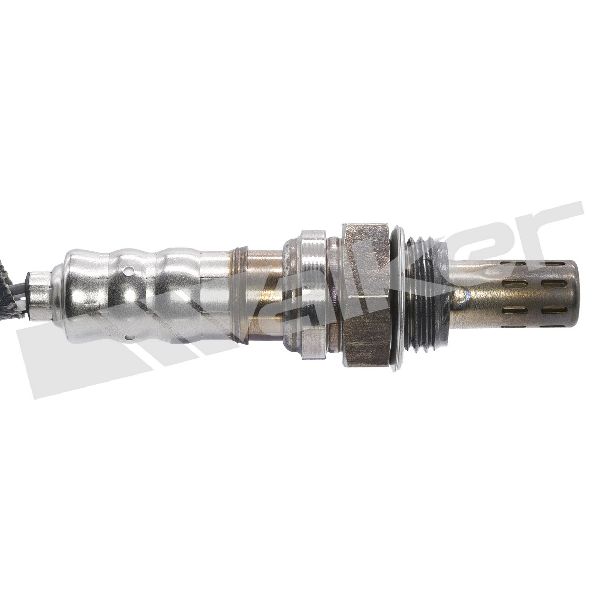
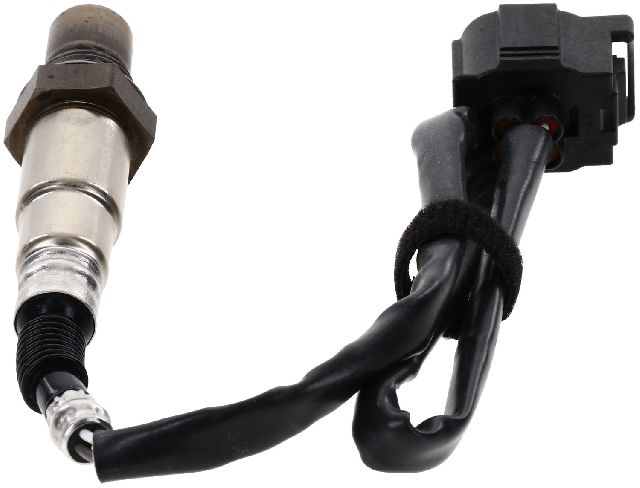
Always visually match the connector on the new sensor to your old one before installation. While rare, some mid-year production changes or previous owner modifications can lead to different plug styles. Verifying the plug saves you from being stuck mid-repair.
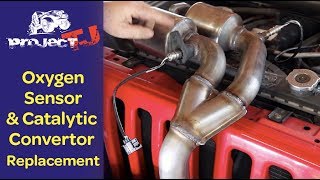
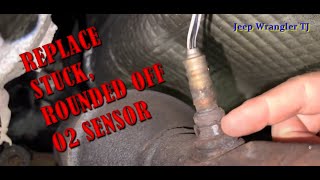
🎬 Check out this walkthrough for removing stubborn, hard-to-reach sensors.Cost of Replacing a Jeep TJ Oxygen Sensor

| Part/Service | Estimated Cost |
|---|---|
| New Aftermarket Sensor (per sensor) | $26 - $120 |
| New OEM Mopar Sensor (per sensor) | $70 - $150 |
| Shop Labor | $100 - $200 |
Known Issues: TSB for 2005-2006 Models
There is a Technical Service Bulletin (TSB 25-005-13) for 2005-2006 Jeep Wrangler TJ models with the 2.4L or 4.0L engine. The issue involves the catalyst and oxygen sensor monitors showing as "Not Ready" during an emissions test, even when they are working correctly. This TSB describes a wiring modification in the Power Distribution Center (PDC) to fix the problem. If you own one of these years and are having emissions testing issues, this TSB may apply.
Frequently Asked Questions (FAQ)
Can I replace just one bad oxygen sensor?
Yes, you can replace only the sensor that has failed. However, oxygen sensors degrade over time. If your Jeep has high mileage, it's often a good practice to replace them in pairs (e.g., both upstream sensors) or all at once to maintain balanced performance.
Are upstream and downstream O2 sensors the same part?
No, they are not interchangeable. Upstream and downstream sensors have different functions and often have different part numbers, wire lengths, and electrical connectors. Always order the specific sensor for the correct location (e.g., Bank 1 Sensor 1, Bank 2 Sensor 2).
What tools are needed for the replacement?
The most important tool is a 7/8 inch (22mm) oxygen sensor socket, which has a slot for the wire. You will also likely need penetrating oil to loosen the old sensor, a ratchet, and possibly a thread chaser tool to clean the threads in the exhaust pipe before installing the new one.
🎬 Watch this step-by-step guide to replacing your O2 sensors.Why is everyone so against using Bosch sensors on a TJ?
The Jeep TJ's engine computer is known to be very sensitive. Many owners have found that aftermarket Bosch sensors, while high quality for other cars, do not communicate correctly with the TJ's computer. This can be due to differences in the heater element resistance or response time, leading to new fault codes even after replacement. Sticking with the OEM brand, NTK, is the most reliable way to avoid these issues.
🎬 See why using the right brand prevents repeat repairs.Helpful Videos
Technical Specifications
OEM Part Numbers: 56041005 56041108 56041213 56027917 56041944AA
Number of sensors varies by year and engine. 1997-2000 models typically use two sensors (one upstream, one downstream). 2001-2006 4.0L and 2003-2006 2.4L models use four sensors (two upstream, two downstream). All use a 4-wire, heated sensor type. The wrench size is 7/8" (22mm).
We Have This Part in Stock

The information in this article is provided for general reference and educational purposes only. Vehicle specifications, procedures, and part compatibility can vary by production date, trim level, and region. Always consult your vehicle's factory service manual and verify part numbers before purchasing or performing repairs. Safety-critical components such as airbags, seat belts, and braking systems should be installed by a qualified professional.
- Jeep TJ: