

A Complete Guide to the 1997-2006 Jeep TJ Fuel Injector
Everything you need to know before replacing the fuel injectors on your 2.5L or 4.0L TJ.
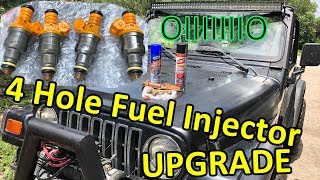
- For 4.0L engines, the 4-hole remanufactured injector upgrade is the most recommended option for improved idle and throttle response.
- Symptoms like rough idle, misfires (P030x codes), and poor MPG are common signs of failing injectors.
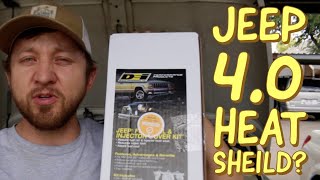
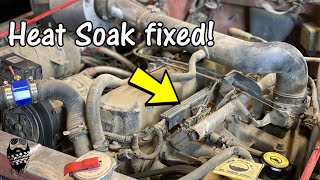
- A known issue on 2000-2004 4.0L models is 'heat soak' on injector #3, causing a rough idle after a warm restart. A TSB recommends a heat shield for this specific problem.
- Always replace injectors as a full set to ensure balanced engine performance. The labor is the same whether you replace one or all six.
Is Your Jeep TJ Running Rough? It Could Be the Fuel Injectors


The fuel injectors on the 1997-2006 Jeep TJ are known for being durable, but after decades of service, they are a common failure point. When they start to go bad, they can cause a range of frustrating engine problems. Understanding the symptoms and your replacement options is key to getting your TJ running smoothly again.
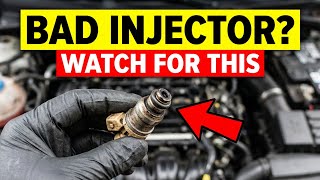
Symptoms of a Failing Fuel Injector
A bad fuel injector can make itself known in several ways. You might notice just one of these signs, or several at once.
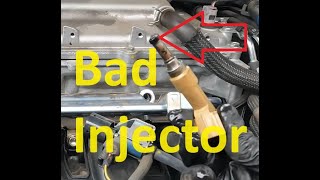
- Rough Idle: The engine may shake or stumble when the Jeep is stopped. This happens because one or more cylinders isn't getting the right amount of fuel, creating an imbalance.
- Engine Misfires: You might feel a hesitation or stumble during acceleration. This is often accompanied by a flashing Check Engine Light and misfire codes like P0300 (random misfire) or P0301-P0306 (for a specific cylinder).
- Poor Fuel Economy: If you're stopping for gas more often, it could be due to a leaking injector or one with a poor spray pattern, causing the engine to burn more fuel than necessary.
- Hard Starting: A leaky injector can drip fuel into a cylinder after the engine is turned off. This can make the engine difficult to start, especially when it's warm (a condition known as 'hot soak').
- Fuel Smell: A strong smell of raw gasoline under the hood is a serious sign of a leak from the injector body or its seals. If you smell gas, you should stop driving and inspect the issue immediately.
Known Issue: Heat Soak on 4.0L Engines (2000-2004)
There is a Technical Service Bulletin (TSB 18-031-03) for 4.0L models that experience a rough idle for 20-30 seconds after restarting a warm engine. This is often caused by heat from the exhaust manifold 'baking' the #3 fuel injector, which causes the fuel inside to vaporize. This can trigger a P0303 misfire code. The official fix is a special heat-insulating sleeve installed on the #3 injector. If you have this specific symptom, consider this before replacing all your injectors.
Choosing the Right Aftermarket Fuel Injector
When it comes to replacing your TJ's injectors, you have a few options. For this part, aftermarket solutions can offer significant advantages over simply buying a new stock replacement.
The 4-Hole Injector Upgrade
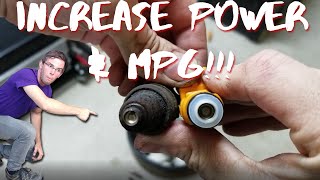
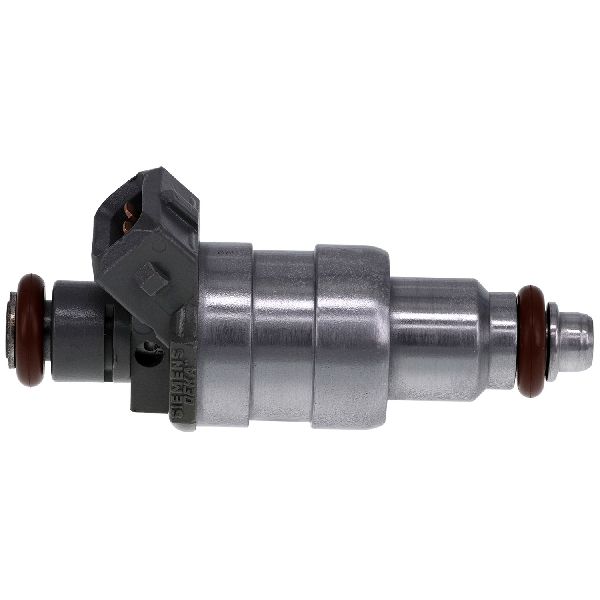
For owners of the 4.0L engine, the most popular and recommended path is the "4-hole injector upgrade." The original factory Siemens injectors use a single-hole design that delivers a relatively poor, stream-like spray. Modern, remanufactured Bosch-style injectors often feature a four-hole (or even twelve-hole) nozzle. This design atomizes the fuel into a much finer mist. The benefits include:
- Smoother Idle: Better fuel atomization leads to more consistent combustion in each cylinder.
- Improved Throttle Response: Many owners report a noticeable improvement in how the engine responds when they step on the gas.
- Cleaner Burning: A finer fuel mist burns more completely, which can improve emissions.
Pro Tip: While some sellers claim large MPG gains, real-world results vary. The biggest, most noticeable improvement comes from replacing old, clogged injectors with clean, functioning ones. The upgrade to a 4-hole design is a bonus that helps modernize the fuel system.
Aftermarket Brand Tiers for Jeep TJ
Not all aftermarket parts are created equal. Here’s a breakdown of the brands you'll encounter:
- Premium Aftermarket (e.g., Standard Ignition): Brands like Standard Motor Products (SMP) are well-regarded manufacturers that produce new, high-quality components designed to meet or exceed OEM specifications. They are a reliable choice for a direct, new replacement part.
- Standard Replacement (e.g., Crown, Omix-Ada): Crown and Omix are huge names in the Jeep world. They specialize in OEM-style replacement parts. For injectors, they provide a functional, stock-style replacement that will get the job done. They are a good budget-friendly option if you want a new, stock-spec part rather than a remanufactured upgrade.
- Remanufactured Upgrade (e.g., GBR Fuel Injection, other specialists): This category, often featuring remanufactured Bosch cores, is where you'll find the popular 4-hole upgrades. Reputable sellers clean, test, and flow-match these injectors to ensure they perform as a balanced set. This is often the best value for performance.
- Economy / White-Box (e.g., Replacement): Be cautious with unbranded, cheap injector sets found on marketplace sites. Forum users frequently warn that these are often low-quality knockoffs that can fail prematurely, costing you more in the long run.
| Part Type | Estimated Cost (Per Injector) | Notes |
|---|---|---|
| New OEM (Mopar) | $100 - $150+ | Highest cost, direct from the dealer. |
| New Aftermarket | $42 - $75 | Good quality from brands like Standard Ignition or Crown. |
| Remanufactured (4-Hole Upgrade Set) | $20 - $35 (Sold in sets of 4 or 6) | Best value for performance. Often sold as a full set for $120-$200. |
| Shop Labor | $200 - $400 | Expect 2-3 hours of labor for installation. |
Frequently Asked Questions (FAQ)
Should I replace just one bad injector or all of them?
It is highly recommended to replace all fuel injectors as a set. They wear at a similar rate, so if one has failed, others are likely not far behind. Replacing them as a matched set ensures that each cylinder receives the same amount of fuel, which is critical for a smooth-running engine. The labor to access one injector is the same as accessing all of them.
Is the 4-hole injector upgrade worth it for my 2.5L engine?
Yes, the benefits of better fuel atomization apply to the 2.5L four-cylinder engine as well. While most discussions focus on the 4.0L, owners of 2.5L TJs who perform the upgrade report a smoother idle and better throttle response, similar to the 4.0L.
Can I just clean my old injectors instead of replacing them?
While in-tank fuel injector cleaners can help with minor deposits, they cannot fix a clogged or electronically failed injector. Professional off-car cleaning can be effective but may cost nearly as much as a set of remanufactured upgrade injectors. For a high-mileage TJ, replacement is often a more reliable and lasting solution.
What is the difference between EV1 and EV6 injectors?
This refers to the body style and electrical connector type. Your TJ uses a specific type from the factory. When ordering replacements, especially upgrades, it's crucial to buy from a supplier who knows which connector style your year/engine combination requires to ensure a plug-and-play installation. Reputable sellers will provide the correct injector for your specific TJ model year.
Helpful Videos
Technical Specifications
OEM Part Numbers: 4854181 53030778
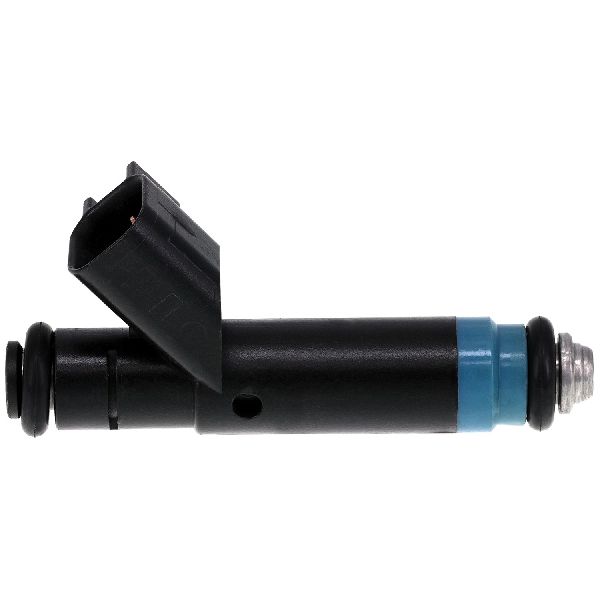
Varies by engine (2.5L or 4.0L) and model year. Connectors can be EV1 or EV6 style. Stock 4.0L injectors are typically single-hole Siemens design. Upgrades are typically 4-hole or 12-hole Bosch-style designs.
We Have This Part in Stock


The information in this article is provided for general reference and educational purposes only. Vehicle specifications, procedures, and part compatibility can vary by production date, trim level, and region. Always consult your vehicle's factory service manual and verify part numbers before purchasing or performing repairs. Safety-critical components such as airbags, seat belts, and braking systems should be installed by a qualified professional.
- Jeep TJ: