

Throttle Position Sensor Guide for the 1997-2006 Honda CR-V
Solve erratic idling, poor acceleration, and check engine light code P0122 on your first or second-generation CR-V.
- A bad TPS causes issues like erratic idle, poor acceleration, bad shifting, and Check Engine Light code P0122.
- For 2002-2004 models, Honda's fix is an expensive full throttle body replacement, making aftermarket sensors the practical choice.
- The original sensor is held by security rivets that must be cut for removal; replacement kits include standard screws.
- Aftermarket sensors MUST be calibrated with a multimeter to ~0.5V (closed) and ~4.5V (open) to function correctly.
Is Your CR-V's Throttle Position Sensor Failing?

A bad throttle position sensor can cause a range of frustrating issues. Because the sensor sends incorrect information to the engine's computer, you might experience problems that seem unrelated. The most common sign is a Check Engine Light, but poor performance is also a major clue.
Key Symptoms of a Bad TPS:
- Check Engine Light: The most common trouble code associated with a failing TPS is P0122 (TPS Circuit Low Voltage). 🎬 Watch: How to diagnose a P0122 low input code
- Erratic or High Idle: Your engine may idle roughly, or the RPMs might surge up and down without you touching the gas pedal.
- Hesitation and Poor Acceleration: When you press the gas, the CR-V might hesitate, stumble, or feel like it has no power.
- Bad Automatic Transmission Shifting: The transmission may shift at the wrong times, shift harshly, or seem to get stuck in a gear.
- Engine Stalling: In more serious cases, the engine can stall unexpectedly because it's receiving incorrect throttle data.
A Note on the 2002-2004 Honda CR-V (TSB 04-010)
Honda released a Technical Service Bulletin (TSB) for 2002-2004 CR-Vs experiencing code P0122. It identified a manufacturing defect that could contaminate the sensor. Honda's official repair is to replace the entire throttle body assembly, as they do not sell the sensor separately for these model years. This is why a dealership repair can be extremely expensive. For most owners, using a quality aftermarket sensor is the only cost-effective solution.
Choosing the Right Aftermarket TPS

Since an OEM sensor is often not an option, selecting a good aftermarket part is key. Aftermarket brands for your CR-V fall into a few quality tiers.
Performance Aftermarket
Skunk2 Racing: Known for performance parts, Skunk2 offers a high-quality TPS designed for durability and precise signaling. While made for performance, it serves as a robust, direct-fit replacement for a stock engine and is a great choice for owners wanting a long-term, reliable solution.
Premium Aftermarket
Standard Ignition (SMP): Generally considered a top-tier aftermarket brand, Standard Ignition parts are engineered to meet or exceed OEM specifications. They are a trusted choice for mechanics who want a reliable repair without the high cost of a full throttle body.
Standard Replacement Brands
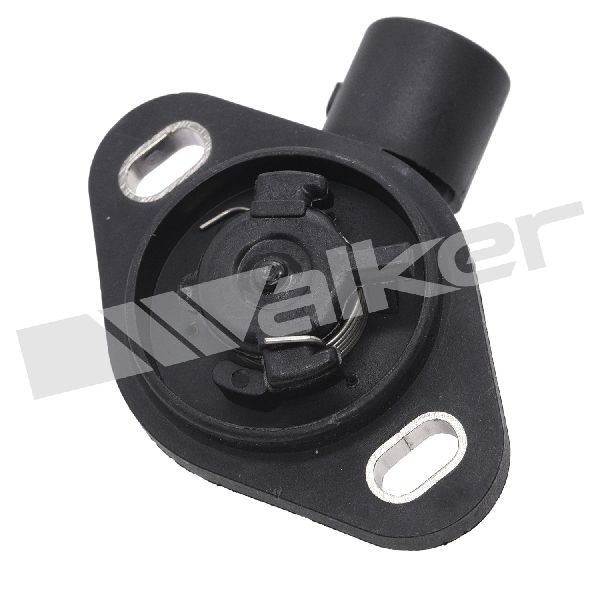
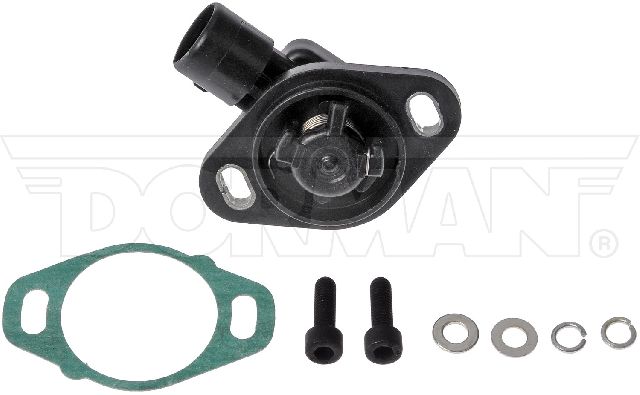
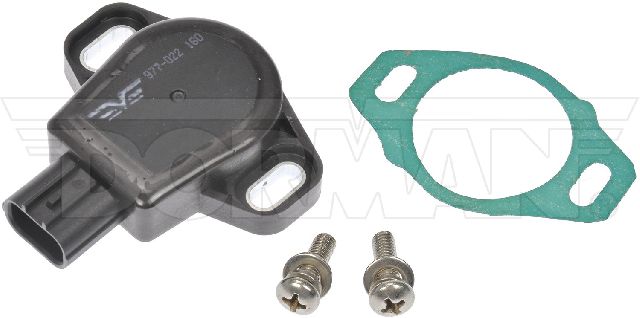
Walker Products & Dorman: These brands offer a balance of affordability and reliability. They are widely available and provide a functional replacement for the original sensor. While some users report good experiences, others note that the lifespan may not match that of a premium or OEM part.
Economy Brands
Replacement / Store Brands: These are the most budget-friendly options. While they can solve the immediate problem at a low cost, their long-term durability and consistency can be a gamble. They may be a good choice for older, high-mileage vehicles or as a temporary fix.
| Part | Typical Cost |
|---|---|
| New Aftermarket TPS | $15.99 - $96.15 |
| New OEM TPS | Not Sold Separately (for many years) |
| New OEM Throttle Body Assembly | $1000+ |
| Shop Labor | $60 - $120 |
Installation and Calibration are Key
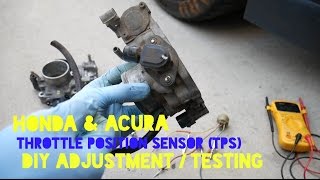
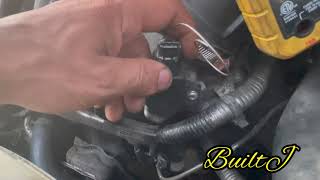
Replacing the TPS is a manageable DIY job. However, the original sensor is often held on by security rivets that must be cut off. New aftermarket sensors come with standard screws. 🎬 See this walkthrough on replacing and calibrating your sensor After installation, the new sensor must be calibrated. This involves using a multimeter to adjust the sensor's rotational position until it reads approximately 0.5 volts at closed throttle and 4.5 volts at wide-open throttle. 🎬 Watch: A quick guide to calibrating your Honda TPS Skipping calibration will lead to continued engine problems.
Frequently Asked Questions

Can I just clean my old TPS?
No. The TPS is a sealed electronic sensor. The failure is internal, not due to being dirty. However, cleaning a dirty throttle body at the same time is a good idea, as carbon buildup can cause similar symptoms like a sticky or rough idle.
What is the difference between a 1st gen (1997-2001) and 2nd gen (2002-2006) CR-V TPS?
The first-generation CR-V uses a B-series engine, while the second generation uses a K-series engine. The throttle bodies and sensors are different. Always ensure you are buying the correct part for your specific year and engine.
Why are the original screws so hard to remove?
Honda used one-way security screws or rivets to discourage replacement of just the sensor, as they considered it part of the factory-calibrated throttle body assembly. You will need to cut a slot into them with a Dremel or hacksaw to remove them with a flathead screwdriver.
Is a recall available for the throttle position sensor?
No, there have been no specific safety recalls issued by the NHTSA for the throttle position sensor on the 1997-2006 Honda CR-V. Honda did issue a Technical Service Bulletin (TSB) for the 2002-2004 models, which acknowledges a manufacturing issue but is not a recall.
Helpful Videos
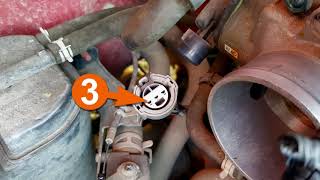
![Honda CRV TPS fix [idle surge issue] P0122](https://img.youtube.com/vi/PGupfBD4uXE/mqdefault.jpg)
Technical Specifications
OEM Part Numbers: 06160-PND-A11 (Throttle Body Assy, 02-04 M/T) 06160-PND-A61 (Throttle Body Assy, 02-04 A/T)
3-pin electrical connector. Voltage range: Approx. 0.5V at closed throttle to 4.5V at wide-open throttle.
We Have This Part in Stock


The information in this article is provided for general reference and educational purposes only. Vehicle specifications, procedures, and part compatibility can vary by production date, trim level, and region. Always consult your vehicle's factory service manual and verify part numbers before purchasing or performing repairs. Safety-critical components such as airbags, seat belts, and braking systems should be installed by a qualified professional.
- Honda CR-V: