

Your Guide to the 1997-2006 Honda CR-V Engine Cooling Fan Switch
Prevent overheating in your first or second-generation CR-V by understanding this critical cooling system part.
- A failing fan switch is a primary cause of overheating at idle for 1997-2006 CR-Vs.
- Test the circuit by turning on the A/C or jumping the switch's connector; if fans run, the switch is likely bad.
- For reliability, choose an OEM or a premium aftermarket brand like Beck Arnley or Standard Ignition.
- Always bleed the cooling system of air after replacing the switch to prevent new cooling problems.
Is Your CR-V's Engine Cooling Fan Switch Failing?

A bad engine cooling fan switch is a common reason for a first or second-generation Honda CR-V to overheat, especially in city traffic. Because this part is responsible for turning the fans on, its failure means your engine has no way to cool itself down at idle. Recognizing the symptoms early can save you from the stress of a breakdown and the expense of engine damage.
Top 3 Symptoms of a Bad Fan Switch
- Engine Overheating at Idle: The most common sign is the temperature gauge climbing into the red zone when you're in stop-and-go traffic or parked with the engine running. Once you start driving at higher speeds, the temperature may return to normal as air is forced through the radiator.
- Cooling Fans Don't Turn On: After your CR-V has warmed up to its normal operating temperature (about halfway on the gauge), the cooling fans should cycle on and off. If you park the car while it's hot and the fans never spin, the switch is a likely culprit.
- A/C Blows Warm Air at a Stop: Your CR-V's cooling fans also pull air across the A/C condenser. If the fans aren't running, the A/C system can't get rid of heat effectively, causing it to blow warm air when you're not moving.
Pro Tip: Easy Diagnosis 🎬 Watch this quick video to see the fan check in action.
You can quickly test the cooling fan circuit. First, turn your key to the 'ON' position and activate the A/C. On most Hondas, this should force both cooling fans to run, regardless of engine temperature. If the fans run, it confirms the fan motors and relays are likely working. To specifically test the switch, locate its electrical connector, unplug it, and use a small wire or paperclip to 'jump' the two terminals in the connector. If the fans turn on, you have confirmed the fan switch is bad and needs to be replaced.
Choosing the Right Aftermarket Fan Switch for Your CR-V

While an OEM Honda fan switch is always a reliable choice, quality aftermarket parts can offer the same performance for less money. Aftermarket brands can generally be grouped into different quality tiers.
- Premium Aftermarket (Beck Arnley, Standard Ignition): These brands are known for engineering parts to meet or exceed original equipment (OE) specifications for fit, form, and function. They are a trusted choice for reliability and correct temperature activation.
- Standard Aftermarket (Four Seasons, Walker Products): These are reputable manufacturers with a long history in the automotive aftermarket. Four Seasons is a specialist in all climate control and engine cooling components.
- Value-Oriented (URO Parts, Facet): These brands provide a functional replacement at a more accessible price point. They can be a good option for budget-conscious repairs, though some professional technicians prefer the proven longevity of premium or OE parts.
Common Ordering Mistake: Do not confuse the Engine Cooling Fan Switch with the Engine Coolant Temperature (ECT) Sensor. The fan switch directly controls the fans. The ECT sensor sends temperature information to the dashboard gauge and the engine computer (ECU). They are separate parts and are not interchangeable.
Cost to Replace a 1997-2006 Honda CR-V Fan Switch
| Part Type | Estimated Cost |
|---|---|
| New OEM | $70 - $110 |
| New Aftermarket | $18 - $64 |
| Shop Labor | $60 - $120 |
Cost estimates are for the part only and do not include taxes or shop supplies. Labor costs are based on a 0.5-1.0 hour job at typical shop rates.
Frequently Asked Questions

Where is the fan switch located on my CR-V?
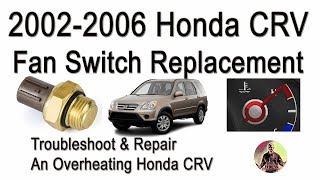
The location can vary by year. On many 1997-2001 models, it is threaded into the thermostat housing, located where the upper radiator hose connects to the engine. On 2002-2006 models, it is often found on the bottom tank of the radiator on the driver's side. Always visually 🎬 See this step-by-step replacement guide for 2002-2006 CR-V models. confirm the location on your specific vehicle before starting the repair.
Can I replace the engine cooling fan switch myself?
Yes, this is a DIY-friendly job for most home mechanics. The process involves partially draining the coolant, unplugging the sensor, unscrewing the old switch, installing the new one, and refilling/bleeding the cooling system. The most important step is to properly bleed the air out of the cooling system afterward to prevent future overheating issues.
🎬 Watch a full cooling system overhaul on a first-gen CR-V.What happens if I don't replace a bad fan switch?
You risk severe engine damage. Continuous overheating can lead to a blown head gasket, warped cylinder head, or complete engine failure. These are extremely expensive repairs that can be easily avoided by addressing a faulty fan switch promptly.
Are there any recalls for the CR-V fan switch?
No, there are no specific recalls or technical service bulletins (TSBs) from Honda or the NHTSA for the engine cooling fan switch on 1997-2006 CR-V models. Any recalls for this vehicle generation are for unrelated issues like the power window master switch.
Helpful Videos


Technical Specifications
OEM Part Numbers: 37760-P00-003 37760-P00-004 37760-PHM-004
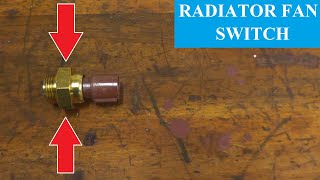
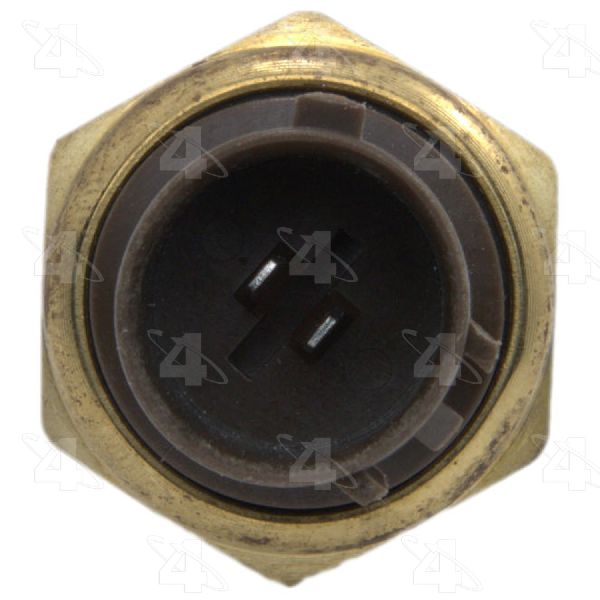
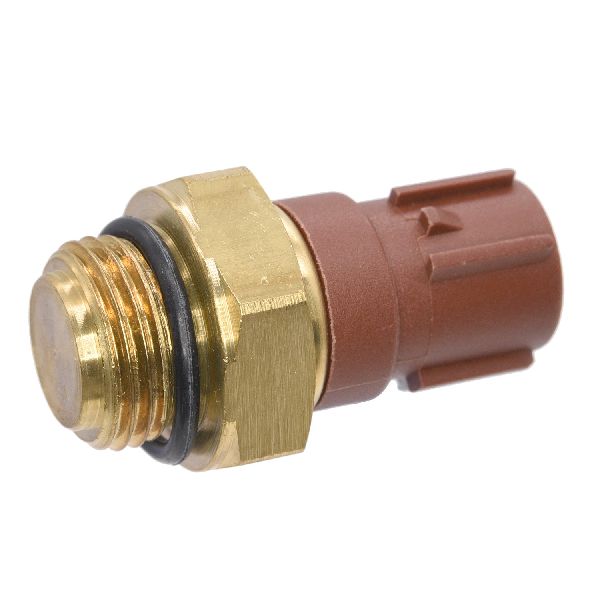
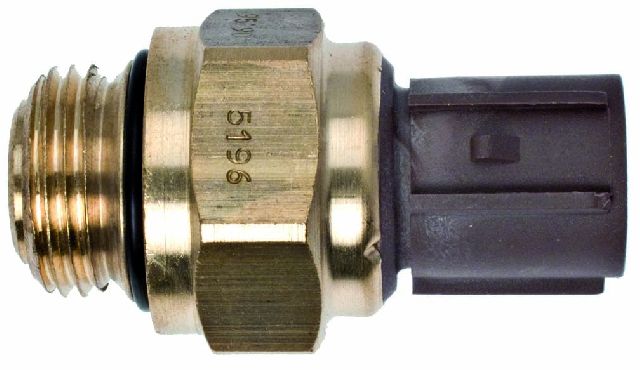
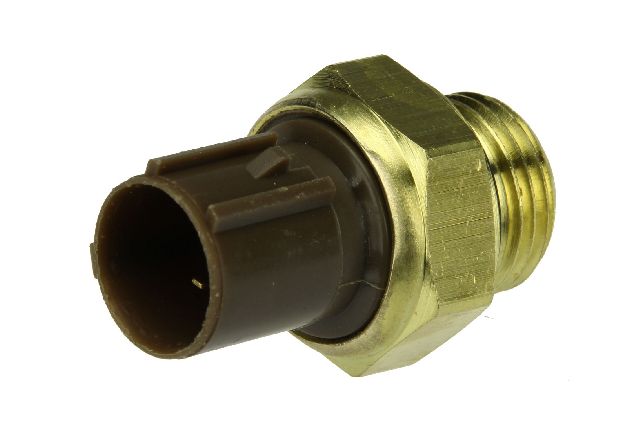
The fan switch is a normally open thermo-switch that closes the fan relay circuit at approximately 199°F (93°C). It typically has a 2-pin connector and a threaded body for installation into the cooling system.
We Have This Part in Stock


The information in this article is provided for general reference and educational purposes only. Vehicle specifications, procedures, and part compatibility can vary by production date, trim level, and region. Always consult your vehicle's factory service manual and verify part numbers before purchasing or performing repairs. Safety-critical components such as airbags, seat belts, and braking systems should be installed by a qualified professional.
- Honda CR-V: