

Honda CR-V Coolant Temperature Sensor Guide (1997-2006)
Is your first or second generation CR-V running rough, getting bad gas mileage, or overheating?
- A bad ECT sensor on a 1997-2006 CR-V commonly causes a check engine light, poor MPG, and potential overheating.
- The location of the primary sensor is different for 1st gen (1997-2001) and 2nd gen (2002-2006) models.
- Replacement is a simple DIY job for most owners, taking less than an hour with basic tools.
- An affordable aftermarket sensor is a reliable choice for this repair, making it a very cost-effective fix.
Symptoms of a Failing Coolant Temperature Sensor

When the ECT sensor on your 1997-2006 CR-V starts to fail, it can send incorrect signals to the engine's computer. This can cause a range of problems, from annoying to serious. Here are the most common signs to watch for:
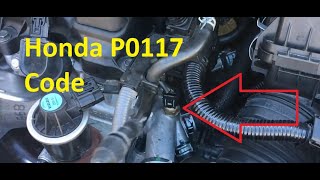
- Check Engine Light: This is often the first sign. A scanner might show codes like P0116, P0117, P0118, or P0128.
- Poor Fuel Economy: If the sensor tells the computer the engine is cold when it's not, the computer will enrich the fuel mixture, causing you to use more gas.
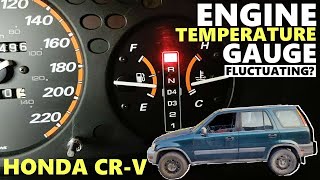
- Engine Overheating: A bad sensor might fail to signal the cooling fans to turn on when needed, causing the engine to run too hot.
- Black Smoke from Exhaust: This is a sign of a rich fuel mixture, where too much gasoline is being burned. This can happen if the ECU thinks the engine is perpetually cold.
- Hard Starting: The ECU relies on the sensor's reading to provide the correct fuel mixture for starting a cold or warm engine. An incorrect signal can make the engine difficult to start.
- Rough Idle or Stalling: An unstable signal from the sensor can cause the engine's idle to fluctuate or even cause it to stall.
Generation Differences in Sensor Location
The location of the main ECT sensor differs between the two CR-V generations covered here:
- 1997-2001 (First Gen): The primary ECT sensor is typically located on the cylinder head, behind the distributor.
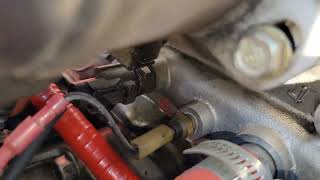
- 2002-2006 (Second Gen): The primary ECT sensor (ECT1) is located on the engine block, often underneath the fuel rail and other wiring, making it a bit harder to access. A second sensor (ECT2) is located in the bottom tank of the radiator and controls the cooling fans. The P0117 code usually points to the sensor on the engine block (ECT1).
Choosing the Right Aftermarket Sensor

For a part like the ECT sensor, you don't necessarily need to buy the expensive OEM part from a Honda dealer. Quality aftermarket brands provide reliable performance at a much lower cost. Since this is a simple electronic sensor, many owners find that a standard aftermarket replacement works just fine without issues. Brands like Standard Motor Products (SMP) are common in the aftermarket and offer a good balance of quality and price. Given the low cost of the part, it's an affordable DIY repair.
Known Issues, Recalls, and TSBs
Searches for official recalls or Technical Service Bulletins (TSBs) from the National Highway Traffic Safety Administration (NHTSA) did not find any specific documents for the 1997-2006 Honda CR-V related to the engine coolant temperature sensor itself. Most issues are related to standard wear and tear over the life of the vehicle.
| Part Type | Estimated Cost |
|---|---|
| New Aftermarket Sensor | $20.32 |
| New OEM Honda Sensor | $60 - $90 |
| Shop Labor Cost | $95 - $145 |
Frequently Asked Questions (FAQ)

Where is the main coolant temperature sensor on my CR-V?
For 1997-2001 models, it's on the cylinder head near the distributor. For 2002-2006 models, it's on the engine block, below the fuel rail area. A second sensor for the fans is on the bottom of the radiator for the 2002-2006 models.
Is this a difficult part to replace myself?
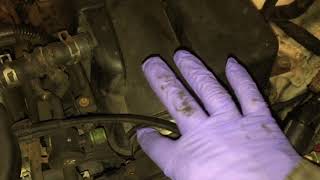
For most DIYers, this is a straightforward job. On the first-gen CR-V, access is relatively easy. On the second-gen, you may need to remove the air filter box to get enough room to work. The job requires basic hand tools and takes less than an hour.
Do I need to drain all the coolant to replace the sensor?
No, you don't need to drain the entire system. Some coolant will leak out when you unscrew the old sensor. To minimize the loss, have the new sensor ready to screw in immediately after you remove the old one. Make sure the engine is completely cool before starting.
What happens if I ignore a bad ECT sensor?
Ignoring it can lead to more serious problems. Persistently running rich can damage your catalytic converter, and failing to cool the engine can lead to overheating, which can cause severe engine damage like a warped cylinder head.
Helpful Videos
Technical Specifications
OEM Part Numbers: 37870-PJ7-003
The sensor is a two-wire thermistor that screws into the engine block or radiator. It typically requires a 17mm or 19mm deep socket for removal.

The information in this article is provided for general reference and educational purposes only. Vehicle specifications, procedures, and part compatibility can vary by production date, trim level, and region. Always consult your vehicle's factory service manual and verify part numbers before purchasing or performing repairs. Safety-critical components such as airbags, seat belts, and braking systems should be installed by a qualified professional.
- Honda CR-V: