

Honda CR-V Speed Sensor Guide for 1997-2005 Models
Solve your erratic speedometer and shifting problems by understanding the common failure points of the CR-V speed sensor.
- A faulty speed sensor is a common cause of erratic speedometers and harsh shifting in 1997-2005 CR-Vs.
- Before replacing the sensor, check Fuse 15 and inspect the wiring harness for damage near the intake manifold, a known issue.
- Avoid the cheapest unbranded aftermarket sensors, as forum users report high failure rates; a quality aftermarket part is a better value.
- The replacement is a simple DIY task for most, located on top of the transmission and held by one bolt.
Is Your CR-V's Speedometer Acting Up?

A failing Vehicle Speed Sensor (VSS) is a common issue on the 1997-2005 Honda CR-V. It can cause confusing symptoms that often look like a major transmission failure. However, the fix is often just a simple sensor replacement. Understanding the signs can save you from a costly and incorrect diagnosis.
🎬 Watch this step-by-step tutorial to fix your dead speedometer.First vs. Second Generation CR-V Differences

While the speed sensor serves the same function across the 1997-2005 range, there are slight differences. The first-generation (1997-2001) and second-generation (2002-2005) models use different part numbers and may have minor variations in their electrical connectors. It is crucial to order the correct sensor for your specific year and transmission type (automatic or manual) to ensure proper fit and function.
Known Issue: Check Fuse 15 and Wiring First!
Before you buy a new sensor, check the 7.5A "Fuse 15" in the under-dash fuse box. A technical service bulletin (TSB 99-029) for related Honda models points to a common problem where the engine wiring harness can rub against the intake manifold bracket, causing a short. This blows the fuse that powers the speed sensor, O2 sensors, and alternator, leading to identical symptoms as a failed sensor. Inspect the wiring harness for damage where it passes the intake manifold. Repairing the wiring might be the only fix you need.
Choosing the Right Aftermarket Speed Sensor

When it comes to aftermarket parts for your CR-V, not all brands are created equal. This is especially true for electronic sensors.
- Basic Economy Brands: The cheapest sensors found online are often a gamble. Forum members frequently report that these parts fail quickly, don't fit correctly, or use plastic gears that break off inside the transmission. While the low price is tempting, you may end up doing the job twice.
- Quality Aftermarket (Replacement): Mid-tier aftermarket brands offer a good balance of quality and value. These sensors are designed to meet or exceed original specifications and are tested for reliability. For a daily-driven vehicle, a quality aftermarket sensor is a reliable and cost-effective choice over the expensive OEM part.
- OEM (Original Equipment Manufacturer): The Honda dealership part is the most expensive option, often costing several times more than a quality aftermarket alternative. While it guarantees a perfect fit and function, the high price makes it a less practical choice for an older vehicle, especially when reliable aftermarket options are available.
Pro Tip: Many owners who tried the cheapest aftermarket sensors experienced repeat failures and ultimately had to buy a higher-quality part. Spending a little more on a reputable aftermarket brand from the start can save you time and frustration.
Installation Overview

Replacing the speed sensor is a DIY-friendly job for those with basic mechanical skills. It typically takes less than an hour.
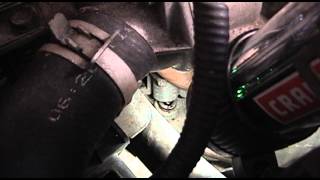
- Location: The VSS is mounted on the top of the transmission housing, usually below the air intake tube. 🎬 See this video for the easiest way to access the sensor.
- Access: You will need to remove the air filter housing and the large rubber intake hose to get a clear view and access to the sensor.
- Replacement: The sensor is held in by a single 10mm bolt. Simply disconnect the electrical connector, remove the bolt, and pull the old sensor straight out. 🎬 Watch: A complete walkthrough of the sensor replacement process. Lubricate the O-ring on the new sensor with a little transmission fluid before installing it.
| Part/Service | Estimated Cost |
|---|---|
| New OEM Part | $220 - $325 |
| New Aftermarket Part | $30 - $75 |
| Shop Labor | $75 - $110 |
| Total Shop Replacement (Aftermarket Part) | $105 - $185 |
| Total Shop Replacement (OEM Part) | $295 - $435 |
Frequently Asked Questions
What is the difference between a Vehicle Speed Sensor and a Wheel Speed Sensor?
The Vehicle Speed Sensor (VSS) is on the transmission and primarily tells the speedometer and transmission computer how fast the car is going. Wheel Speed Sensors (also called ABS sensors) are at each wheel and are used by the Anti-lock Brake System (ABS) and traction control. While both measure speed, a bad VSS is what typically causes the speedometer and shifting problems on this CR-V.
My speedometer is dead but the Check Engine Light is off. Could it still be the sensor?
Yes. Sometimes the sensor can fail in a way that causes the speedometer to stop working without immediately triggering a Check Engine Light. However, the computer will likely store a "pending" trouble code, and the light will eventually come on if the problem persists.
Do I need to use genuine Honda transmission fluid?
While not directly related to the sensor, it is highly recommended to only use genuine Honda Automatic Transmission Fluid (ATF) in these vehicles. Owners and mechanics report that using other fluids, even those claiming to be compatible, can cause shifting problems and damage to the transmission.
Can a bad speed sensor damage my transmission?
While the sensor itself won't cause direct mechanical damage, driving for a long time with a faulty sensor is not recommended. The resulting harsh, erratic shifting puts extra stress on internal transmission components like clutches and bands, which can accelerate wear and lead to more serious problems.
Helpful Videos

Technical Specifications
OEM Part Numbers: 78410-S10-003 (1997-2001 Auto Trans)
Mounts on transmission housing. Gear-driven (automatic transmission). 3-pin electrical connector.

The information in this article is provided for general reference and educational purposes only. Vehicle specifications, procedures, and part compatibility can vary by production date, trim level, and region. Always consult your vehicle's factory service manual and verify part numbers before purchasing or performing repairs. Safety-critical components such as airbags, seat belts, and braking systems should be installed by a qualified professional.
- Honda CR-V: