

Ford Expedition 1997-2005: Your Guide to Catalytic Converter Replacement
Losing power or seeing a check engine light in your Expedition? Your catalytic converter could be the problem.
- A check engine light with codes P0420 or P0430 is the primary sign of a failing converter.
- Always diagnose and fix the root cause of the failure (like engine misfires) before installing a new converter.
- For this age of vehicle, a direct-fit aftermarket converter offers the best balance of cost and ease of installation.
- Replacing oxygen sensors at the same time as the converter is a smart investment to ensure proper system function.
Is Your Expedition's Catalytic Converter Failing?

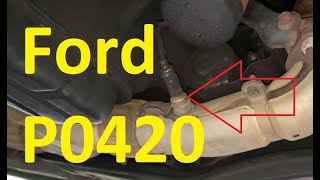
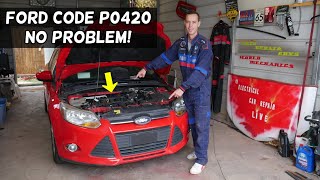
A failing catalytic converter isn't always obvious, but your truck will give you signs. The most common is the check engine light appearing on your dashboard. If you use a code reader, you'll likely see codes P0420 (Catalyst System Efficiency Below Threshold Bank 1) or P0430 (Bank 2). These codes mean the oxygen sensors are detecting that the converter is no longer cleaning the exhaust properly.
Other symptoms you might notice include:
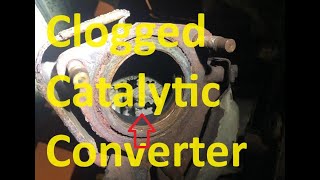
- Sluggish Performance: Your Expedition might feel weak or slow to accelerate. This happens when the inside of the converter breaks apart and creates a blockage, restricting exhaust flow.
- Bad Smell: A scent of sulfur or rotten eggs from the exhaust is a classic sign that the converter isn't processing the gases correctly.
- Rattling Noises: If you hear a rattling from under the vehicle, it could be the ceramic honeycomb inside the converter breaking into pieces.
- Worse Fuel Economy: When your engine can't breathe properly due to a clogged exhaust, it works harder and uses more fuel.
- Excessive Heat: A clogged converter can trap an extreme amount of heat, which you might feel from under the floor of the vehicle.
Why Did My Converter Fail?
Catalytic converters usually don't fail on their own. They are built to last a long time, often over 10 years. Failure is typically caused by another problem. Engine misfires from bad spark plugs or ignition coils can send unburned fuel into the exhaust, which can melt and destroy the converter. Leaking coolant or burning oil can also contaminate and clog the converter. Before you install a new one, it's critical to fix the root cause, or you'll likely ruin the new part as well.
Choosing the Right Aftermarket Converter

When replacing a converter on a 1997-2005 Expedition, you have a choice between expensive OEM (Original Equipment Manufacturer) parts and more affordable aftermarket options. For an older vehicle, an aftermarket converter is often the most practical choice.
Aftermarket brands are not all created equal. They generally fall into a few tiers:
- Performance Brands (MagnaFlow): Known for high-quality stainless steel construction and designs that can sometimes improve exhaust flow. They are a top-tier aftermarket choice but come at a higher price.
- OEM-Equivalent Brands (Walker): Walker is a well-regarded brand that aims to match OEM quality and fit. They are a reliable choice for a standard replacement that you can count on to work correctly and last.
- Economy Brands (AP Exhaust, Eastern, Davico): These brands offer significant cost savings. However, fit can sometimes be inconsistent, requiring minor adjustments during installation. While they get the job done and can resolve check engine light codes, they may not have the same longevity as more expensive options due to using fewer precious metals in their construction.
Direct-Fit vs. Universal Converters
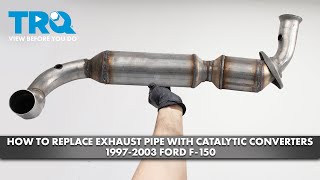
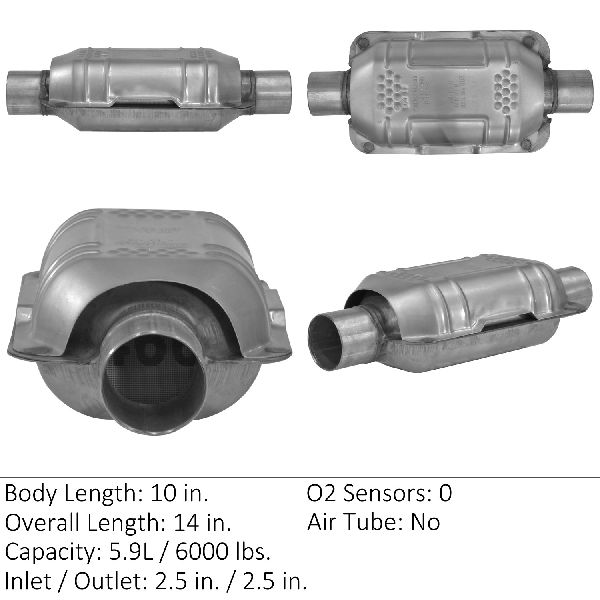
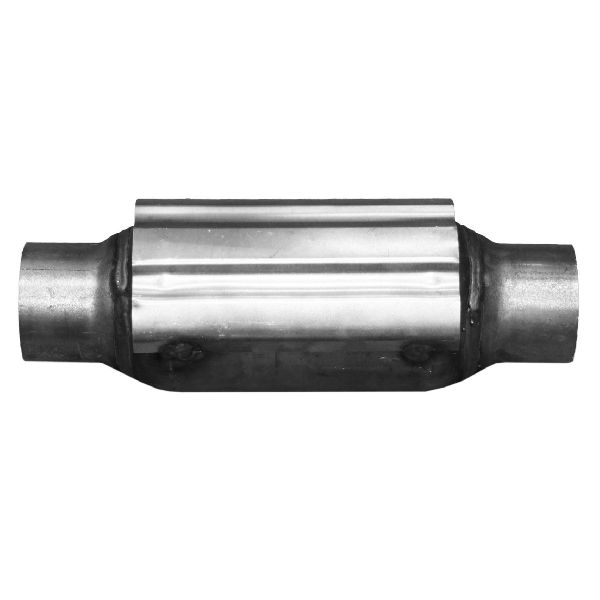
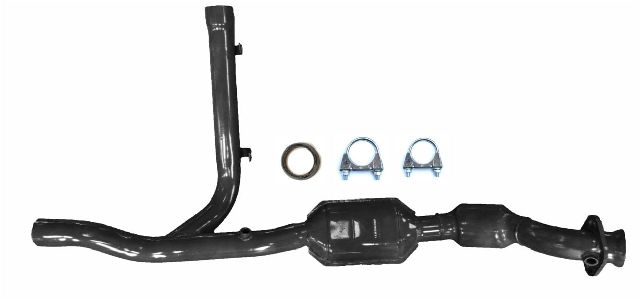
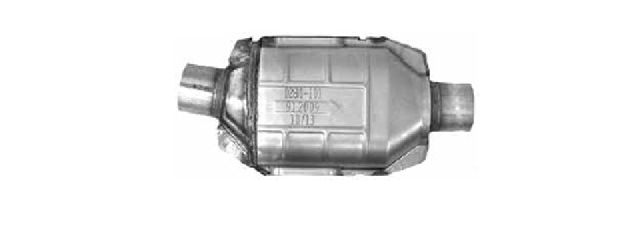
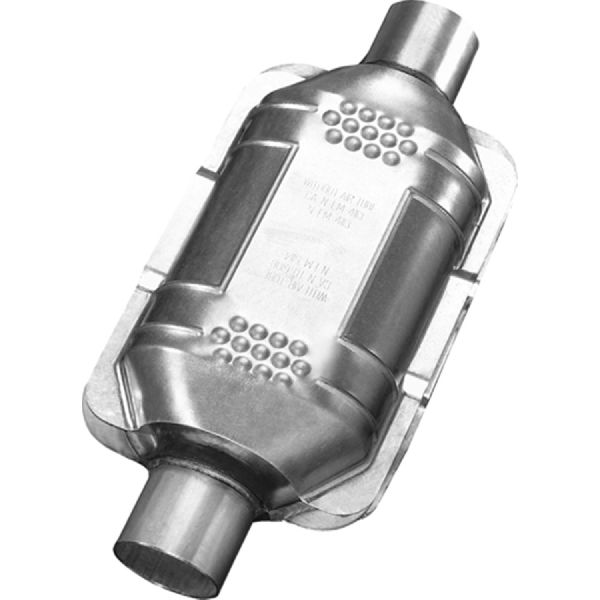
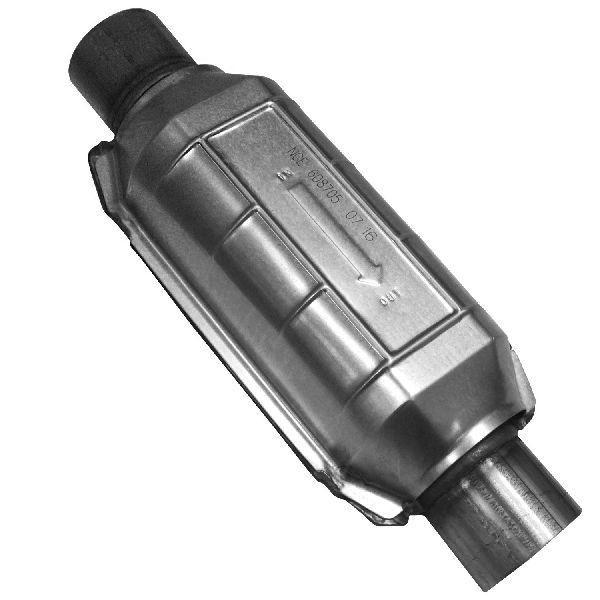
For a 1997-2005 Expedition, a direct-fit converter is strongly recommended. These are designed to bolt directly into the factory location without any cutting or welding, making installation much easier. A universal converter requires a shop to cut out your old unit and weld the new one in, which adds labor costs and complexity.
Cost of Replacing a Ford Expedition Catalytic Converter

The cost can vary widely based on the parts you choose and who does the work. Your Expedition has converters on both the driver (Bank 2) and passenger (Bank 1) sides, and sometimes they are replaced in pairs.
| Item | Estimated Cost |
|---|---|
| New Aftermarket Converter (per side) | $130 - $600+ |
| Shop Labor | $200 - $500 |
| Total (Aftermarket, One Side) | $330 - $1100+ |
Costs are estimates and can vary by location and the specific parts chosen.
Frequently Asked Questions

Do I need to replace my oxygen sensors with the catalytic converter?
It is highly recommended. Old oxygen sensors can become slow to respond and may not read correctly, which can cause issues with the new converter or even trigger a false check engine light. Replacing them at the same time ensures the whole system is working together properly.
What are the P0420 and P0430 codes?
P0420 refers to a problem with the catalytic converter on Bank 1 (the passenger side on a Ford V8). P0430 refers to Bank 2 (the driver's side). These codes are triggered when the downstream oxygen sensor detects that the converter is no longer efficient at cleaning exhaust gases. While a bad converter is the most common cause, the codes can also be triggered by exhaust leaks or faulty oxygen sensors.
Are there any recalls for the 1997-2005 Expedition catalytic converter?
No specific catalytic converter recalls were found for the 1997-2005 model years. Later model year Expeditions have had Technical Service Bulletins (TSBs) and recalls related to software that could falsely trigger converter codes, but these do not apply to the 1997-2005 generation.
Can I install a catalytic converter myself?
If you buy a direct-fit converter, DIY installation is possible for those with mechanical experience and the right tools. However, the biggest challenge will be rust. The bolts connecting the converter to the exhaust manifold can be extremely difficult to remove on a vehicle of this age. You will likely need a breaker bar, extensions, and plenty of penetrating oil. A professional shop has the tools, like torches, to handle seized bolts more easily.
Helpful Videos
Technical Specifications
The 1997-2005 Ford Expedition uses a dual-exhaust setup with catalytic converters on both Bank 1 (passenger side) and Bank 2 (driver side). Some systems have four converters in total (two per side). Direct-fit replacements are recommended. Ensure the part is specified for your engine (4.6L or 5.4L) as they are not interchangeable. Check for Federal (EPA) or CARB (California) compliance based on your state's laws.
We Have This Part in Stock

The information in this article is provided for general reference and educational purposes only. Vehicle specifications, procedures, and part compatibility can vary by production date, trim level, and region. Always consult your vehicle's factory service manual and verify part numbers before purchasing or performing repairs. Safety-critical components such as airbags, seat belts, and braking systems should be installed by a qualified professional.
- Ford Expedition: