

Engine Coolant Temperature Sensor Guide for 1997-2004 Ford Explorer
Fix your Explorer's rough idle, poor fuel economy, and check engine light by understanding this critical sensor.
- Verify if you need the ECT sensor (for the computer) or the temperature sender (for the gauge), as many Explorers have both.
- A faulty ECT sensor can cause a Check Engine Light with codes like P0117, P0118, or P0128.
- For best results, choose the OEM Motorcraft part or a premium aftermarket brand like Delphi, NGK, or Standard Ignition (SMP).
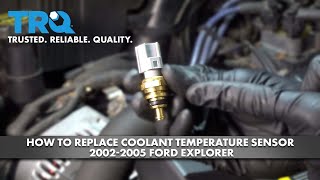
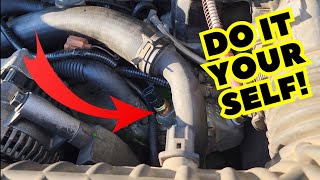
- The sensor is typically located on the thermostat housing at the front of the engine and is a DIY-friendly replacement.
Is Your Ford Explorer Running Rough? It Could Be the Coolant Temp Sensor.

If your 1997-2004 Ford Explorer is experiencing issues like a check engine light, poor gas mileage, a rough idle, or even black smoke from the exhaust, a faulty Engine Coolant Temperature (ECT) sensor is a common culprit. This sensor tells the engine's computer how hot or cold the engine is, which affects everything from fuel injection to when the cooling fans kick on. When it fails, the computer gets bad information and can't run the engine properly.
Sensor vs. Sender: A Common Point of Confusion
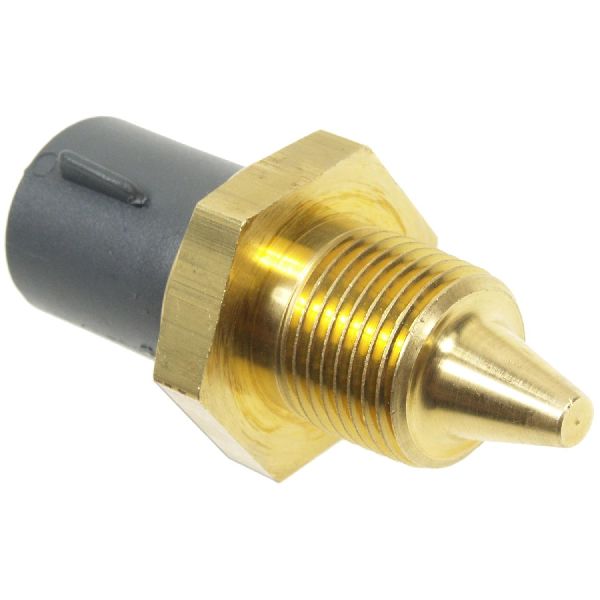
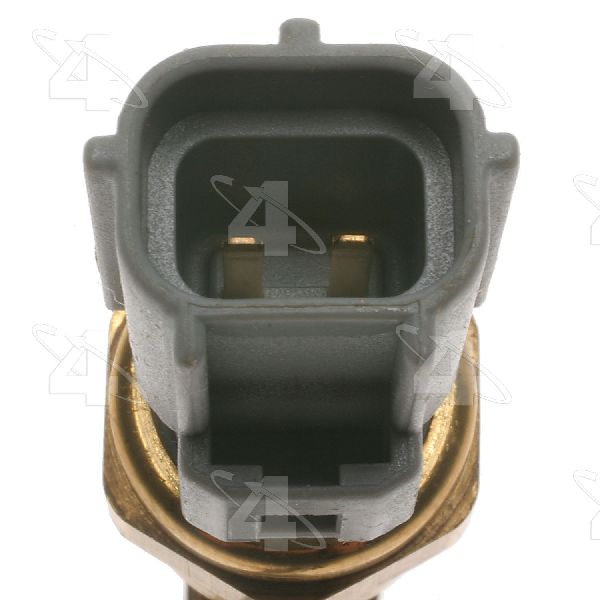
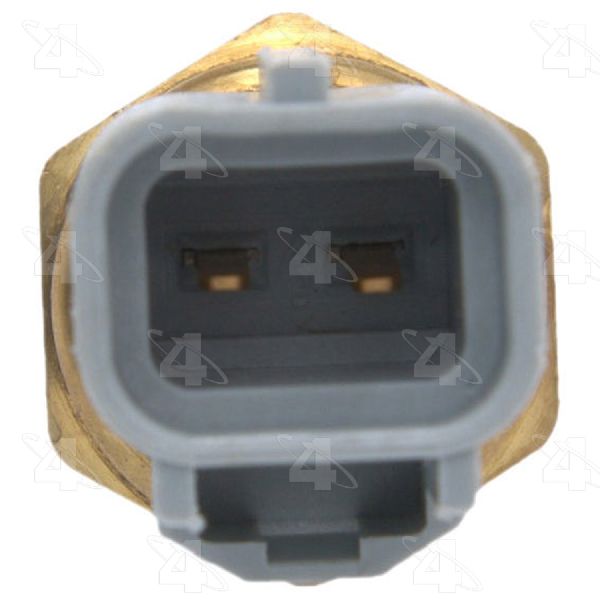
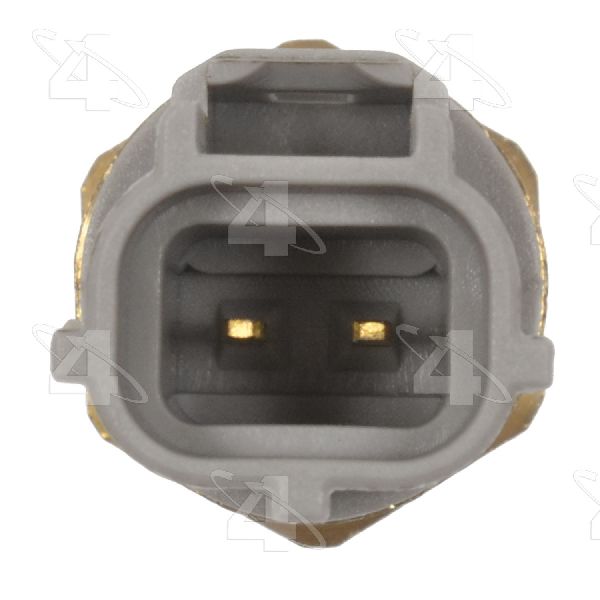
Many 1997-2004 Explorers have two separate coolant temperature units. The ECT Sensor (usually with two wires) sends data to the engine computer (PCM). The Temperature Sender (often with a single wire) operates the gauge on your dashboard. It's critical to identify which one has failed. If your gauge reads incorrectly but the engine runs fine, the sender is likely the problem. If the engine runs poorly and the check engine light is on, the ECT sensor is the probable cause.
Choosing the Right Aftermarket ECT Sensor for Your Explorer

When it comes to electronic sensors, quality matters. While saving money is tempting, a cheap, low-quality sensor can fail quickly or provide inaccurate readings, leading to the same problems you were trying to fix. For a critical part like the ECT sensor, it's often best to stick with trusted brands.
Brand Quality Tiers
- OEM/Premium Aftermarket: Motorcraft is the original Ford part and is highly recommended for fit and reliability. Brands like Delphi and NGK/NTK are often original equipment suppliers to many manufacturers and are considered a top-tier choice, providing similar quality to OEM.
- Quality Aftermarket: Brands like Standard Ignition (SMP) and Hella have a long-standing reputation for producing reliable aftermarket parts that meet or exceed OE specifications. They offer a good balance of quality and price.
- Economy Brands: Brands like Four Seasons, Global Parts, and others may offer a lower price point. While they can work for a budget repair, some owners report a higher failure rate with economy sensors. If you choose an economy brand, be aware that you might be replacing it again sooner than you would with a premium part.
| Item | Estimated Cost |
|---|---|
| New OEM (Motorcraft) Part | $35 - $70 |
| New Aftermarket Part | $11 - $47 |
| Shop Labor | $75 - $150 |
Pro Tip: Location Varies by Engine
On the 4.0L SOHC and 5.0L V8 engines, the ECT sensor and sender are typically located together in the thermostat housing at the front of the engine. On the older 4.0L OHV engine, the sensor may be located on the intake manifold. Always verify the location for your specific engine before starting the repair.
Frequently Asked Questions (FAQ)

Where is the ECT sensor located on my Explorer?
For most 1997-2004 Explorers with the 4.0L SOHC V6 or 5.0L V8, the ECT sensor is located on the plastic thermostat housing at the front top of the engine. You will see one or two small sensors threaded into it, each with an electrical connector. For the 4.0L OHV engine, it is often found on the intake manifold.
Do I need to drain the coolant to replace the sensor?
Yes, it is highly recommended to at least partially drain the cooling system. The sensor is located below the coolant level, and if you remove it without draining, coolant will spill out. Draining a gallon or two from the radiator's petcock is usually sufficient.
What are the common trouble codes for a bad ECT sensor?
Common codes include P0117 (Sensor Circuit Low Voltage), P0118 (Sensor Circuit High Voltage), and P0128 (Coolant Thermostat - Coolant Temperature Below Thermostat Regulating Temperature). P0117 and P0118 point directly to a sensor or wiring problem, while P0128 can be caused by a faulty sensor or a thermostat that is stuck open.
Is it better to buy an OEM Motorcraft sensor?
For critical sensors, using the OEM Motorcraft part is often the safest bet for guaranteed compatibility and longevity. However, top-tier aftermarket brands like Delphi, NGK, and Standard Ignition (SMP) are excellent alternatives that often meet or exceed OEM quality. Many professional mechanics trust these brands for everyday repairs.
Helpful Videos
![How to Fix FORD P0118 Engine Code in 3 Minutes [2 DIY Methods / Only $7.33]](https://img.youtube.com/vi/QsygZ_C9NA8/mqdefault.jpg)
![How to Fix P0117 Engine Code in 3 Minutes [2 DIY Methods / Only $7.43]](https://img.youtube.com/vi/0PE930ETa4Y/mqdefault.jpg)
Technical Specifications
OEM Part Numbers: DY-1144 SW-5174
The ECT sensor for the 1997-2004 Ford Explorer is a thermistor, meaning its electrical resistance changes with temperature. It typically has a 2-wire plug-in connector. The temperature sender for the gauge often has a single wire.
We Have This Part in Stock


The information in this article is provided for general reference and educational purposes only. Vehicle specifications, procedures, and part compatibility can vary by production date, trim level, and region. Always consult your vehicle's factory service manual and verify part numbers before purchasing or performing repairs. Safety-critical components such as airbags, seat belts, and braking systems should be installed by a qualified professional.
- Ford Explorer: