

Chevrolet Cargo Van Knock Sensor Guide (1997-2004)
Everything owners need to know about replacing the knock sensors on 1997-2004 Chevy Cargo Vans.
- Failure is almost always caused by water and corrosion due to the sensors' location under the intake manifold.
- Always replace both knock sensors, the wiring harness, and the intake manifold gaskets at the same time to prevent repeat repairs.
- Using high-quality parts (like NGK or Standard) and torquing the sensors to exactly 15 ft-lbs is critical for a successful repair.
- Consider building a silicone dam around the new sensors to prevent future water damage, as suggested in GM technical service bulletins.
A Common Problem: Water Damage Under the Manifold
For the V8 engines in the 1997-2004 Chevrolet Cargo Van, the two knock sensors are located in a known trouble spot: deep in the engine valley, underneath the intake manifold. This area is notorious for collecting water from rain or engine washing, along with dirt and debris. This moisture sits in the cavities where the sensors are mounted, causing the sensors and their wiring harness to rust and corrode. This corrosion is the number one cause of knock sensor failure on these vans, leading to fault codes like P0327 and P0332.
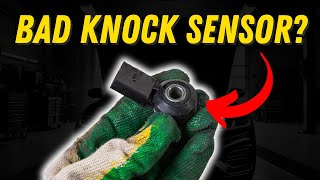
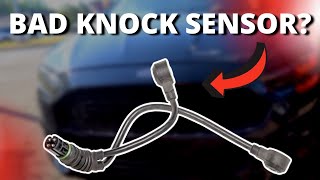
🎬 Learn more about bad knock sensor symptoms and repair costs.This is a Labor-Intensive Repair
Because the sensors are under the intake manifold, the entire manifold must be removed for access. This makes the job time-consuming. Due to the high labor involved, it is critical to use quality parts and replace related components at the same time to avoid doing the job twice.
Choosing the Right Aftermarket Knock Sensor
When you're facing a difficult repair like this, part quality matters. You don't want to repeat the job because of a cheap, unreliable sensor. Here’s a breakdown of the brands available.
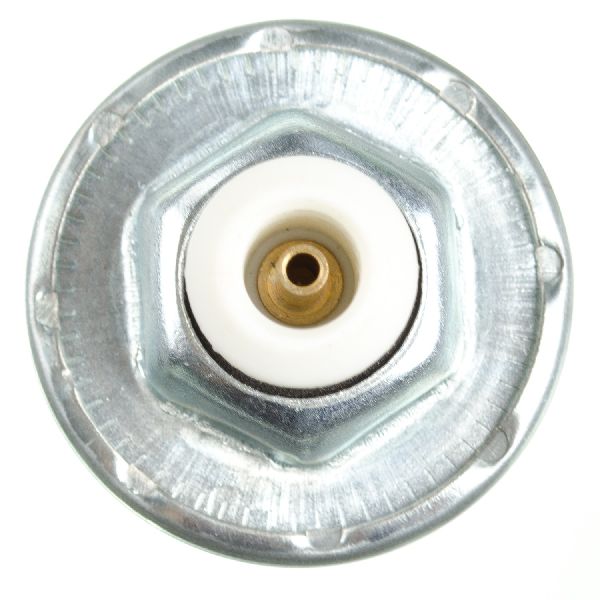
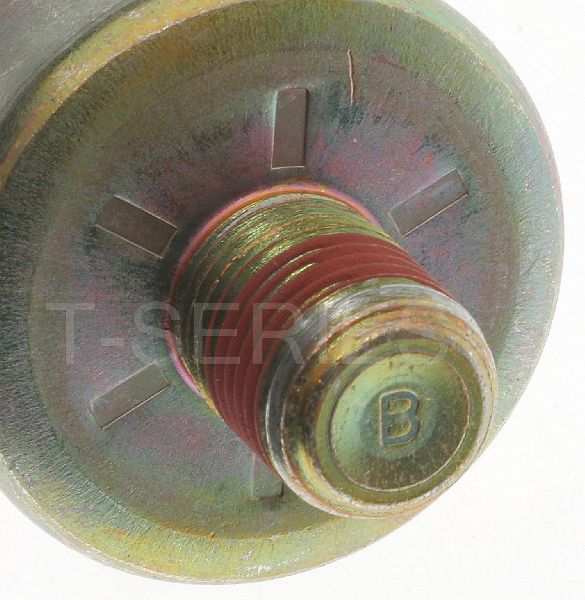
- NGK/NTK: Often considered an OEM-equivalent supplier for many manufacturers, NGK (also known as NTK for sensors) has a strong reputation for quality and reliability. For a part this difficult to access, choosing a brand like NGK is a smart investment to ensure longevity.
- Standard Ignition (SMP): Standard Motor Products is a well-established aftermarket brand known for producing quality components that often meet or exceed OEM specifications. They are a reliable choice for sensors and other engine management parts.
- Holstein: Holstein is generally considered a budget-friendly brand. While they offer a warranty and claim to meet OE standards, some users report mixed experiences with budget sensors on other vehicles. For a part that requires this much labor to replace, it might be a riskier choice compared to NGK or Standard.
- True Tech: Information on True Tech is more limited, but it generally falls into the budget or standard-grade category. As with any lesser-known brand, the primary trade-off is cost versus proven reliability.
Pro Tip: Replace the Harness and Gaskets!
Mechanics overwhelmingly recommend replacing the knock sensor wiring harness at the same time as the sensors. The harness is exposed to the same heat and moisture and is a common failure point. Since the intake manifold has to be removed, you should also replace the intake manifold gaskets to prevent future vacuum leaks.
Frequently Asked Questions (FAQ)
How many knock sensors does my van have?
The V8 engines in this generation of Chevrolet Cargo Van have two knock sensors. One is for the front cylinders (Bank 1) and the other is for the rear cylinders (Bank 2). It is highly recommended to replace both at the same time, along with the wiring harness.
What are the common trouble codes for a bad knock sensor?
The most common codes are P0327 (Knock Sensor 1 Circuit Low Input) and P0332 (Knock Sensor 2 Circuit Low Input). These codes often appear together and point directly to a problem with the sensors or their wiring.
Is there a recall for this issue?
No, there are no specific safety recalls from the National Highway Traffic Safety Administration (NHTSA) for knock sensor failure on the 1997-2004 Chevrolet Cargo Van. However, GM has issued Technical Service Bulletins (TSBs) for similar trucks that recommend building a silicone (RTV) dam around the sensor holes after replacement to help prevent future water intrusion.
Why did my Check Engine Light come back after replacing the sensors?
This is a common frustration. The most likely reason is that the wiring harness was not replaced with the sensors and it has also failed. Other causes include using a low-quality sensor that failed quickly, or not tightening the sensor to the correct torque specification (typically 15 ft-lbs), which is critical for proper function.
Helpful Videos
Technical Specifications
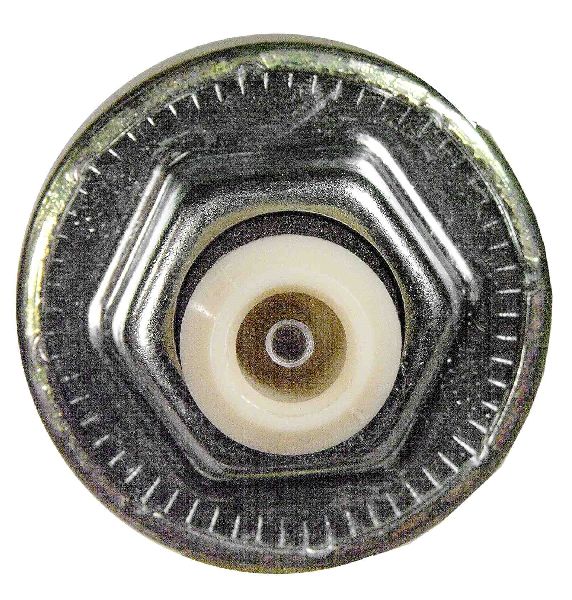
OEM Part Numbers: 10456075 8104560750
Location: Under intake manifold. Quantity Required: 2. Recommended Torque: 15 ft-lbs.
We Have This Part in Stock


The information in this article is provided for general reference and educational purposes only. Vehicle specifications, procedures, and part compatibility can vary by production date, trim level, and region. Always consult your vehicle's factory service manual and verify part numbers before purchasing or performing repairs. Safety-critical components such as airbags, seat belts, and braking systems should be installed by a qualified professional.
- Chevrolet Cargo Van: