

Choosing the Right Serpentine Belt for Your 1997-2003 GMC T6500
Keep your T6500's workhorse engine running strong by understanding its most critical belt.
- You must correctly identify your T6500's engine (e.g., Caterpillar 3126, Isuzu) to get the right belt.
- For a commercial work truck, spending a little more on a premium brand like Gates or Continental is a wise investment in reliability.
- Always inspect the belt tensioner and all pulleys when replacing the belt. A bad pulley or tensioner will destroy a new belt quickly.
- If the belt breaks, the truck is undrivable. The engine will overheat and steering will become extremely heavy.
Is Your Serpentine Belt About to Fail?
A serpentine belt is a wear item; it will not last forever. On a medium-duty truck like the T6500, catching a failing belt before it snaps can save you from a costly tow and significant downtime. Watch for these clear warning signs:
- Loud Squealing or Chirping: This is the most common symptom. A high-pitched squeal, especially on startup or when the engine is under load, means the belt is slipping. This can be due to wear, stretching, or a problem with the belt tensioner.
- Visible Damage: Pop the hood and inspect the belt. Look for multiple cracks in the ribs, fraying along the edges, missing chunks, or a shiny, glazed appearance. Any visible damage means the belt's integrity is compromised and it should be replaced immediately.
- Accessory Problems: If your battery light comes on, the power steering becomes heavy, or the engine temperature gauge starts to climb, it could be due to a slipping or broken serpentine belt. A complete break will cause all these symptoms at once.
- Overheating Engine: The belt often drives the water pump. If it fails, coolant will not circulate, causing the engine to overheat quickly, which can lead to severe engine damage.
Always Check the Tensioner and Pulleys
A new belt can be quickly destroyed by a bad tensioner or a seized pulley. The automatic belt tensioner keeps the belt tight. If you hear rattling, or if the new belt still squeals, the tensioner is a likely culprit. Before installing a new belt, spin each pulley by hand (with the old belt off). They should spin smoothly and quietly. A pulley that feels rough, wobbles, or makes noise needs to be replaced.
Choosing the Right Aftermarket Belt
For a work truck like the T6500, not all aftermarket belts are created equal. Investing in a quality part is crucial for reliability. Here’s a breakdown of the available brands.
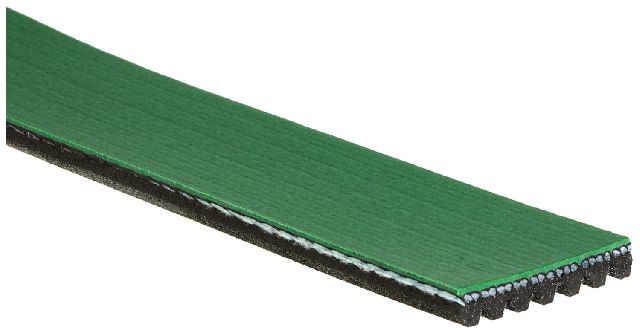
- Premium Brands (Best): Gates, Continental
These brands are widely known as Original Equipment (OE) suppliers for many manufacturers, including heavy-duty ones. Gates is a trusted name among professional mechanics for its durability. Continental (which now includes the former Goodyear Gatorback line) is often praised for its quiet operation and ability to solve persistent squeaking issues. For a T6500 that needs to be reliable, choosing a premium belt from one of these brands is a smart investment. - Mid-Grade Brands (Good): Dayco
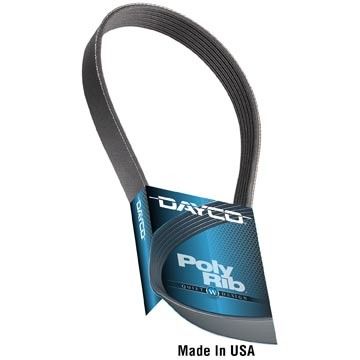
Dayco is a well-known aftermarket brand that produces reliable belts. While generally considered a good-quality replacement part, some users in forums have noted occasional issues with noise or a shorter lifespan compared to Gates or Continental on demanding applications. It's a viable option, but for the small price difference, a premium belt offers more peace of mind for a commercial vehicle.
Pro Tip: Identify Your Engine First
The 1997-2003 T6500 came with different engines, most commonly the Caterpillar 3126 or an Isuzu diesel. The length and rib-count of the serpentine belt are specific to the engine and the accessories it has (e.g., with or without A/C). Always verify your truck's specific engine before ordering a belt to avoid getting the wrong part.
Cost of Replacing a GMC T6500 Serpentine Belt
| Part Type | Estimated Cost |
|---|---|
| New Aftermarket Serpentine Belt | $36 - $87 |
| New OEM Serpentine Belt | $90 - $150 |
| Shop Labor | $150 - $225 |
| Total Professional Replacement (Aftermarket) | $186 - $312 |
Cost estimates are for the belt only and do not include the tensioner or idler pulleys, which are often replaced at the same time. Labor costs can vary based on shop rates and vehicle configuration.
Frequently Asked Questions
How often should I replace the serpentine belt on my T6500?
There is no exact interval, but a general guideline is to inspect it at every oil change and plan for replacement every 60,000 to 100,000 miles, or sooner if you see signs of wear. For a commercial truck, being proactive is better than waiting for it to fail.
Can I drive my T6500 with a broken serpentine belt?
No. The belt powers the water pump, power steering, and alternator. Without it, the engine will quickly overheat, the battery will not charge, and steering will become extremely difficult and unsafe. Pull over immediately and shut off the engine.
Why does my new belt squeal?
If a new belt squeals, the problem is likely not the belt itself. The most common causes are a weak or failing automatic tensioner, a misaligned pulley, or fluid (like oil or coolant) leaking onto the belt. Always inspect the entire belt drive system when replacing the belt.
What's the difference between a serpentine belt and a timing belt?
A serpentine belt is visible on the outside of the engine and runs your accessories. A timing belt (or timing chain, in many diesels) is internal and synchronizes the engine's crankshaft and camshaft. A serpentine belt failure is a major inconvenience; a timing belt failure can destroy the engine.
Technical Specifications
OEM Part Numbers: 15670937
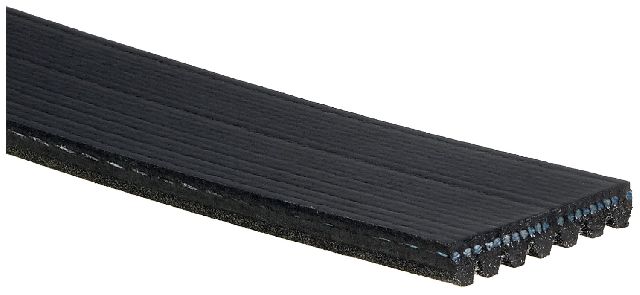
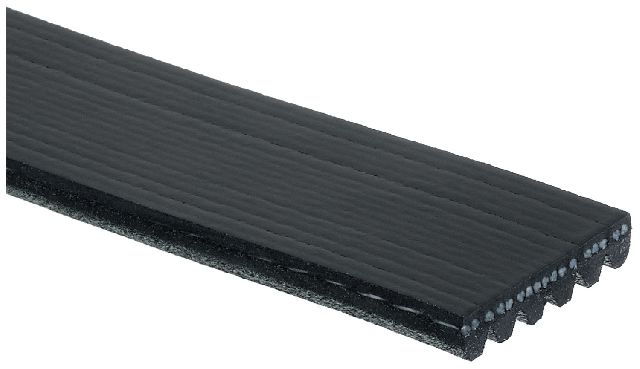
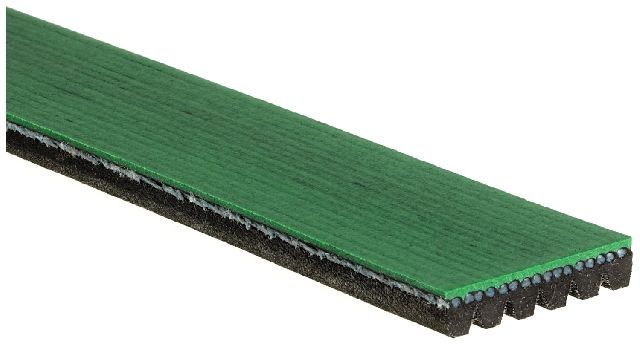
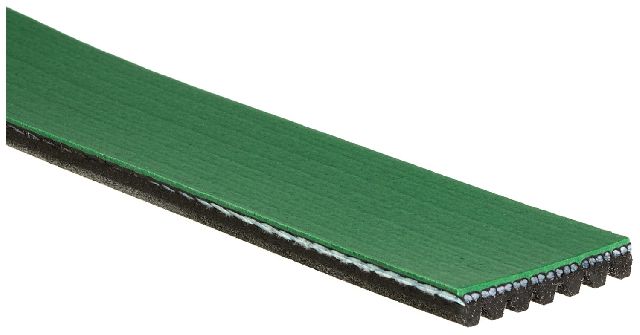
Belt length and rib count are specific to your engine and accessory package (with/without A/C). Common aftermarket numbers for the Caterpillar 3126 engine include Continental 4070705 and Gates K070705, but always verify fitment for your specific vehicle.
We Have This Part in Stock

The information in this article is provided for general reference and educational purposes only. Vehicle specifications, procedures, and part compatibility can vary by production date, trim level, and region. Always consult your vehicle's factory service manual and verify part numbers before purchasing or performing repairs. Safety-critical components such as airbags, seat belts, and braking systems should be installed by a qualified professional.
- GMC T6500: