

Honda CR-V 1997-2002 Oxygen Sensor: A Complete Replacement Guide
Fix your CR-V's check engine light and poor gas mileage by choosing the right oxygen sensor.
- Your CR-V has two O2 sensors; confirm if you need the upstream (Sensor 1) or downstream (Sensor 2) before buying.
- For best results and reliability, choose a direct-fit sensor from Denso or NGK/NTK, the original factory suppliers.
- Common fault codes like P0135, P0141, and P1166 almost always mean the sensor's internal heater has failed and it needs replacement.
- Replacing a bad O2 sensor is a DIY-friendly job that can restore fuel economy and prevent damage to the catalytic converter.
Is Your CR-V's Oxygen Sensor Failing?

When an oxygen sensor goes bad, your CR-V's computer gets the wrong information. This can cause several noticeable problems. Ignoring a bad O2 sensor for too long can even damage your expensive catalytic converter.
Key Symptoms of a Bad O2 Sensor:
- Check Engine Light: This is the most common sign. Codes like P0135, P0141, or P1166 point directly to an O2 sensor heater circuit problem.
- Bad Gas Mileage: The engine may use more fuel than necessary because it's getting incorrect data from the sensor.
- Rough Idle or Engine Hesitation: Your CR-V might shake at a stop or feel sluggish and bog down when you accelerate.
- Failed Emissions Test: A bad sensor can prevent your vehicle from passing a smog check.
- Rotten Egg Smell: In some cases, you might notice a sulfur-like smell from the exhaust.
Choosing the Right Aftermarket O2 Sensor for Your CR-V

Not all aftermarket sensors are created equal. For a Honda, it's important to choose a brand known for quality and compatibility to avoid further issues.
OEM vs. Aftermarket Quality
For the 1997-2002 CR-V, the original factory sensors were made by Denso or NGK (also sold under the brand name NTK). Choosing one of these brands for your replacement is the closest you can get to original equipment quality. While many aftermarket parts offer good value, forum discussions among Honda owners frequently warn against using certain budget brands for electronics, as they can fail prematurely.
Brand Quality Tiers
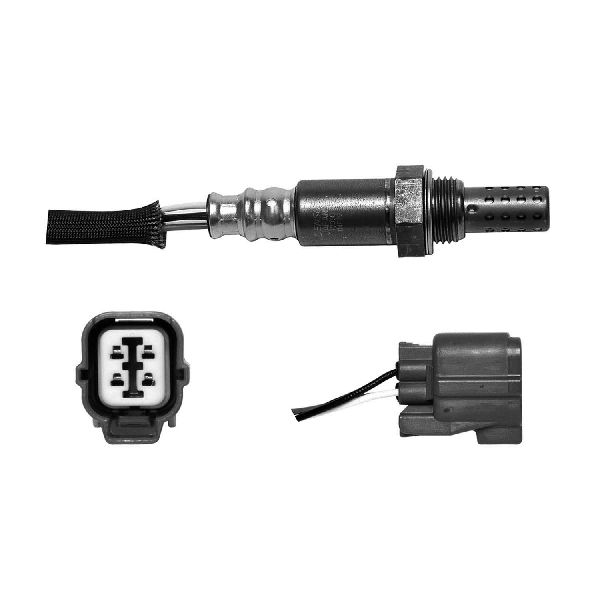
- Top Tier (Recommended): Denso, NGK/NTK
These brands are the original equipment suppliers for Honda. They offer direct-fit sensors that plug right in without any wire cutting. They are highly recommended by Honda mechanics and owners for their reliability and performance. - Mid Tier: Bosch
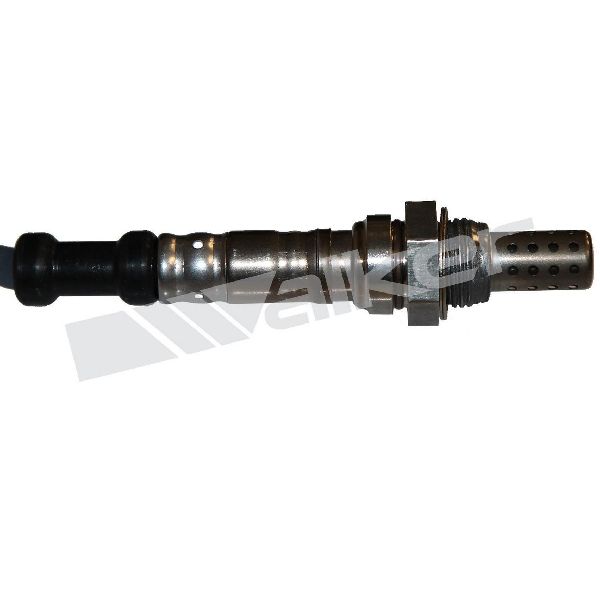
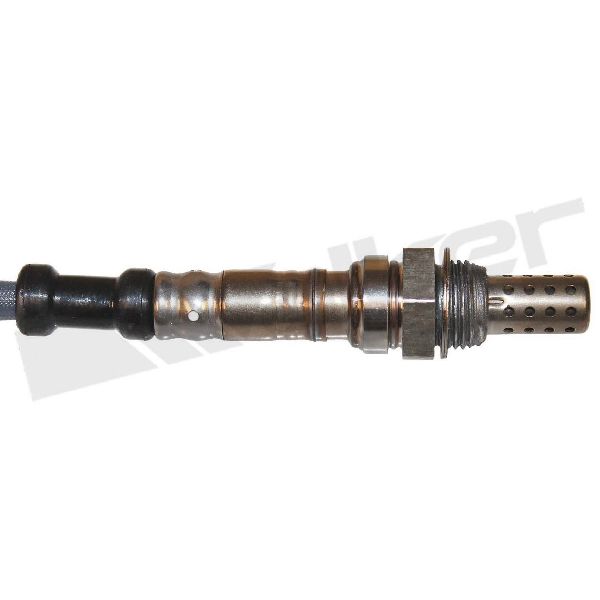
Bosch is a huge name in auto parts and invented the O2 sensor. However, their aftermarket sensors for Hondas have mixed reviews. Some owners use them without issue, but many report problems and recommend sticking with Denso or NGK for this specific vehicle. - Economy Tier: Walker Products, Spectra, DriveWire
These brands provide a more affordable option. They can be a good choice if budget is your main concern, but they may not have the same longevity or perfect fit as the top-tier brands. Some may be "universal" sensors that require you to splice wires, which can be a point of failure if not done correctly.
Common Ordering Mistakes

The most common mistake is ordering the wrong sensor. Your CR-V has two, and they are not interchangeable.
- Sensor 1 (Upstream/Primary): This is the sensor before the catalytic converter. On your CR-V, it's in the exhaust manifold. It is also called an Air/Fuel Ratio Sensor.
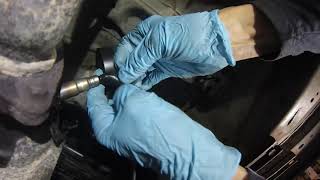
- Sensor 2 (Downstream/Secondary): This is the sensor after the catalytic converter. 🎬 See this walkthrough for replacing the downstream oxygen sensor.
Always double-check which sensor your trouble code is for before ordering. P0135 and P1166 are for Sensor 1 (upstream), while P0141 is for Sensor 2 (downstream).
🎬 Watch: Diagnosing a P0141 code on a Honda CR-V.Estimated Costs
The price for a new oxygen sensor can vary widely based on the brand and whether it's a direct-fit or universal part.
| Part/Service | Estimated Cost |
|---|---|
| New Aftermarket Sensor | $25 - $405 |
| New OEM (Dealer) Sensor | $150 - $450 |
| Shop Labor for Installation | $50 - $75 per sensor |
Frequently Asked Questions

How many oxygen sensors does a 1997-2002 Honda CR-V have?
It has two: one upstream (before the catalytic converter) and one downstream (after the catalytic converter).
Can I replace just one oxygen sensor?
Yes. You only need to replace the sensor that has failed and triggered the check engine light. They do not need to be replaced in pairs.
Is it hard to replace the O2 sensor myself?
For most DIYers, it's a fairly easy job. The biggest challenge is often that the old sensor is seized in the exhaust pipe. Using penetrating oil and a special O2 sensor socket (a 22mm or 7/8" socket with a slot for the wire) makes the job much easier.
🎬 Watch: How to remove a stubborn O2 sensor from your CR-V.Can I clean my old oxygen sensor?
While some people attempt to clean O2 sensors, it is not a reliable or recommended repair. The internal sensing elements wear out over time, and cleaning will not restore a failed heater circuit, which is the most common cause of failure. Replacement is the only permanent solution.
Are there any recalls for the oxygen sensor on my CR-V?
No, there are no official recalls or technical service bulletins (TSBs) from Honda or the NHTSA specifically for oxygen sensor failure on the 1997-2002 CR-V.
Helpful Videos

Technical Specifications
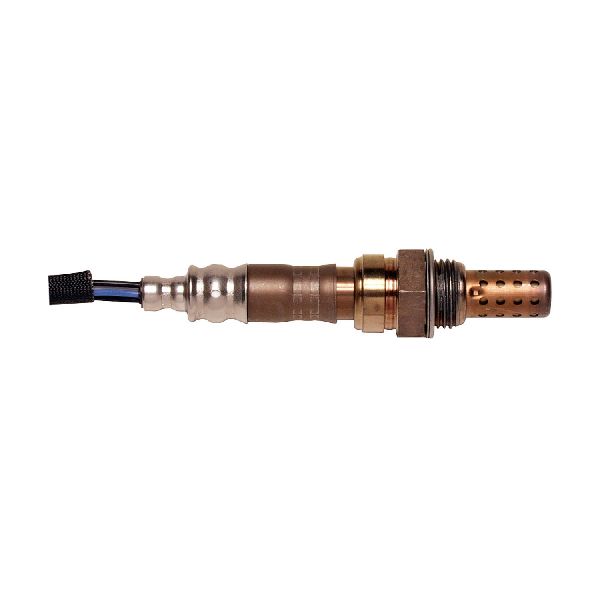
OEM Part Numbers: 36531-PLE-003 234-9005
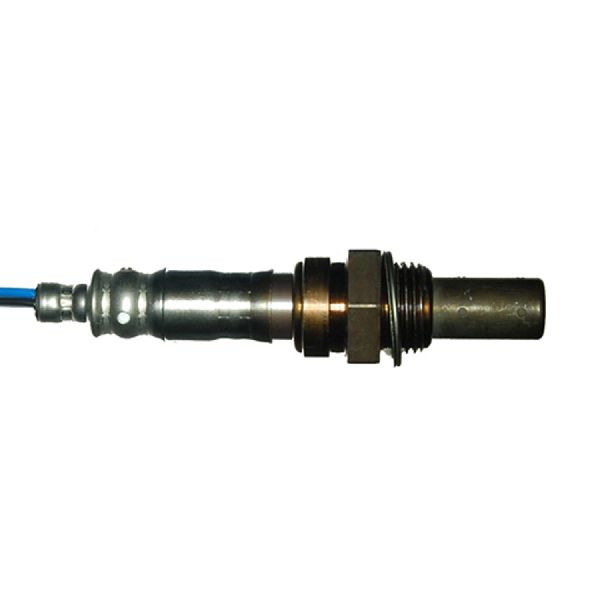
Your 1997-2002 CR-V uses two heated, 4-wire oxygen sensors. The upstream sensor is often called an Air/Fuel Ratio Sensor, while the downstream is a standard O2 sensor. A 22mm (or 7/8") O2 sensor socket is required for removal and installation.
We Have This Part in Stock


The information in this article is provided for general reference and educational purposes only. Vehicle specifications, procedures, and part compatibility can vary by production date, trim level, and region. Always consult your vehicle's factory service manual and verify part numbers before purchasing or performing repairs. Safety-critical components such as airbags, seat belts, and braking systems should be installed by a qualified professional.
- Honda CR-V: