

A Comprehensive Guide to the 1997-2001 Honda CR-V Vehicle Speed Sensor
If your first-generation CR-V has an erratic speedometer or harsh shifting, the vehicle speed sensor is a likely culprit.
- A faulty VSS directly impacts automatic transmission shifting, causing harshness and hesitation.
- Before replacing the sensor, always inspect the wiring connector for corrosion or damage.
- Avoid the cheapest unbranded sensors, as they are known to have plastic gears that can fail or fit improperly.
- Symptoms like a dead speedometer and a P0500 code strongly point to the VSS as the problem.
Is Your CR-V's Speedometer Acting Up?

A failing Vehicle Speed Sensor (VSS) in the first-generation Honda CR-V is a common issue that can cause confusing symptoms. Because the sensor provides speed data to multiple systems, its failure can look like a major transmission problem when it's often just a simple sensor replacement. Understanding the signs can save you from a costly misdiagnosis.
Symptoms of a Failing VSS

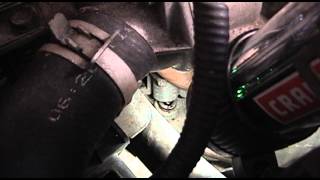
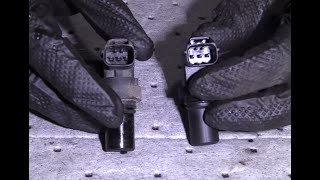
When the VSS starts to fail, your CR-V will give you clear signs. The most common is an erratic or completely dead speedometer. 🎬 Watch this step-by-step tutorial on fixing a dead speedometer. You might see the needle jump around randomly or not move at all. Another major symptom, especially in automatic transmission models, is harsh or delayed shifting. The transmission relies on the VSS to know when to change gears, and without a correct signal, it can shift hard, late, or get stuck in one gear. 🎬 See how a VSS fix resolves transmission shifting issues. You may also find that your cruise control no longer works, and the Check Engine Light will likely turn on, storing a trouble code like P0500.
Important: Check These First!
Before replacing the sensor, be aware of two common issues. First, the wiring and connector to the VSS can become corroded or damaged over time, causing the same symptoms as a bad sensor. Always inspect the wiring for breaks or loose connections. Second, forum users have reported that the plastic drive gear on very cheap, unbranded aftermarket sensors can break off inside the transmission or have poor fitment, leading to immediate failure. It is often worth spending a little more on a reputable brand to avoid this.
Choosing the Right Aftermarket VSS

While an OEM sensor from Honda is always a safe bet, quality aftermarket parts can offer significant savings. For a critical electronic part like the VSS on this CR-V, it's best to avoid the absolute cheapest options. Aftermarket brands can be grouped into different quality tiers.
- Entry-Level Brands: These are often the lowest-priced parts found on marketplace sites. While tempting, they carry a higher risk of premature failure or fitment issues, as noted in owner forums.
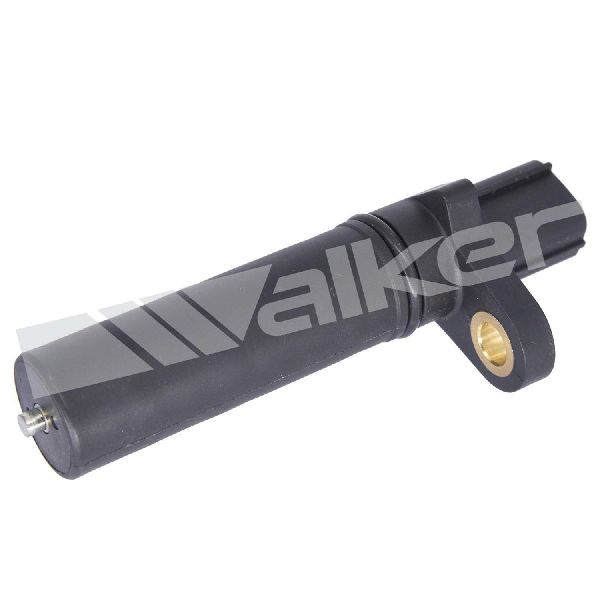
- Mid-Grade & Professional Brands (e.g., Walker Products, Standard Ignition): These brands are well-established in the aftermarket and generally offer better quality control and materials. They provide a good balance of price and reliability and are a popular choice for DIY and professional repairs.
- Premium Aftermarket & OEM: At the top end is the genuine Honda part (OEM) or premium aftermarket brands that replicate OEM quality. The OEM part for the automatic transmission is part number 78410-S10-003. This offers the best guarantee of fit and function but at the highest cost.
Cost of Replacing the Vehicle Speed Sensor
| Part Type | Estimated Cost |
|---|---|
| New OEM (Honda) | $230 - $330 |
| New Aftermarket | $40 - $229 |
| Used OEM | $25 - $50 |
| Shop Labor | $75 - $110 |
DIY Installation Tip
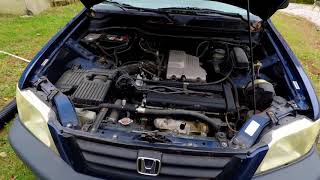
The VSS is located on the top of the transmission, underneath the air intake tube. To access it, you will need to remove the air filter box and the large rubber intake hose that connects to the throttle body. Once removed, you will see the sensor held in by a single 10mm bolt. Disconnect the electrical plug, remove the bolt, and the old sensor should pull straight out. 🎬 Watch a helpful walkthrough of the VSS replacement process. The job can typically be done in under an hour with basic hand tools.
Frequently Asked Questions

Where is the Vehicle Speed Sensor located on a 1997-2001 CR-V?
The VSS is mounted on the transmission housing. On automatic models, it is typically on the top, slightly towards the back of the engine bay, below the air intake assembly.
Can I still drive my CR-V with a bad VSS?
You can, but it's not recommended for long. You will not have a working speedometer, and the automatic transmission may shift harshly and unpredictably, which can be unsafe and cause extra wear on transmission components.
Is an OEM sensor from Honda better for this part?
A genuine Honda sensor guarantees a perfect fit and is made to high-quality standards. However, reputable aftermarket brands like Standard Ignition or Walker Products are considered reliable alternatives by many mechanics and can save you a significant amount of money. The main risk comes from low-quality, unbranded parts.
Could something else cause these shifting and speedometer problems?
Yes. While the VSS is a very common cause, check for a blown fuse first. Also, inspect the wiring harness going to the sensor for damage. On this generation of CR-V, hard shifting can also be caused by failing transmission shift solenoids or old, dirty transmission fluid, so it's important to rule those out as well.
Helpful Videos

Technical Specifications
OEM Part Numbers: 78410-S10-003
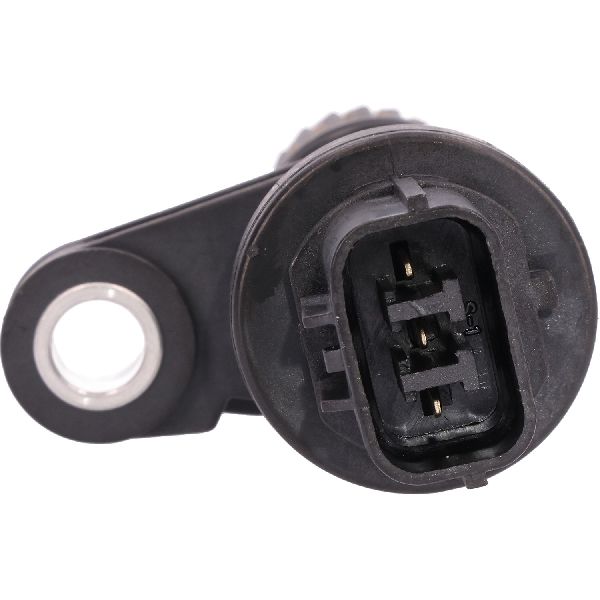
Location: Mounts on transmission housing. Connector: 3-prong male terminal. Note: Part numbers may differ for manual transmission models.
We Have This Part in Stock


The information in this article is provided for general reference and educational purposes only. Vehicle specifications, procedures, and part compatibility can vary by production date, trim level, and region. Always consult your vehicle's factory service manual and verify part numbers before purchasing or performing repairs. Safety-critical components such as airbags, seat belts, and braking systems should be installed by a qualified professional.
- Honda CR-V: