

A Guide to Aftermarket Disc Brake Pads for the 1997-2000 Blue Bird TC1000
Keep your bus stopping safely by choosing the right brake pads for your TC1000's hydraulic brake system.
- For a heavy bus, always choose 'Severe Duty' or 'Fleet Grade' semi-metallic brake pads for the best performance and safety.
- Regularly inspect your brake pads, as their lifespan is heavily dependent on your specific routes (city vs. highway).
- Replacing the brake rotors at the same time as the pads is strongly recommended for optimal and safe braking.
- Due to the weight of the components and the safety-critical nature of the job, professional installation is the safest option.
Symptoms of Failing Brake Pads
Worn-out brake pads are a major safety risk. Listen and feel for these common warning signs:
- Squealing or Screeching: A high-pitched noise when you apply the brakes. This is often the first sign that your pads are getting thin.
- Grinding Noises: A harsh, metallic grinding sound means the friction material is completely gone. The metal backing plate is now grinding against the rotor, causing serious damage. Stop driving immediately.
- Longer Stopping Distance: If you notice the bus takes longer to stop than it used to, your pads may be worn out or suffering from "brake fade" due to overheating.
- Pulling to One Side: If the bus pulls to the left or right when braking, it could mean the pads on one side are more worn than the other, or a caliper is not working correctly.
- Brake Warning Light: A warning light on your dashboard indicates a problem with the brake system, which could be related to low fluid from worn pads or a hydraulic system issue.
Choosing the Right Aftermarket Brake Pads
Not all brake pads are created equal, especially for a heavy-duty vehicle like a school bus. The original equipment (OEM) pads are high quality, but many aftermarket brands offer pads that meet or exceed those standards, often at a better price. For a TC1000, you should focus on pads labeled as "Severe Duty," "Fleet Grade," or designed for trucks and towing. These are made with friction materials that can handle the high temperatures and heavy loads associated with a bus.
Aftermarket Brand Tiers for Blue Bird TC1000
| Tier | Brands | Best For |
|---|---|---|
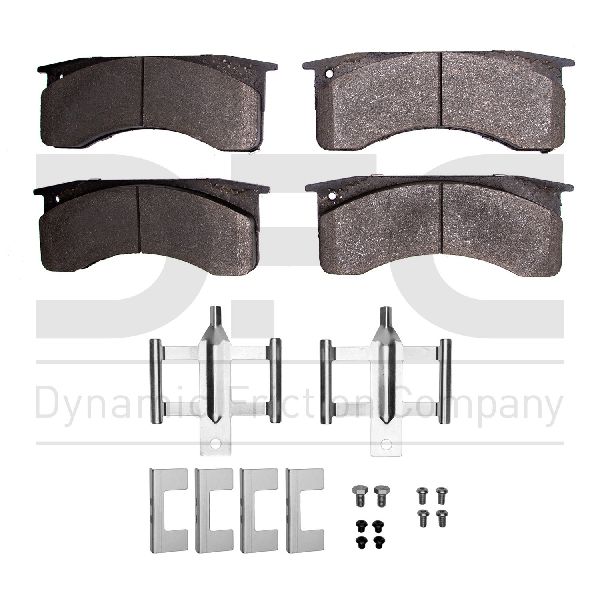
| Good (Standard Duty) | Centric, Dynamic Friction | General use with lighter loads or less frequent stops. These offer a good balance of performance and value for standard applications. |
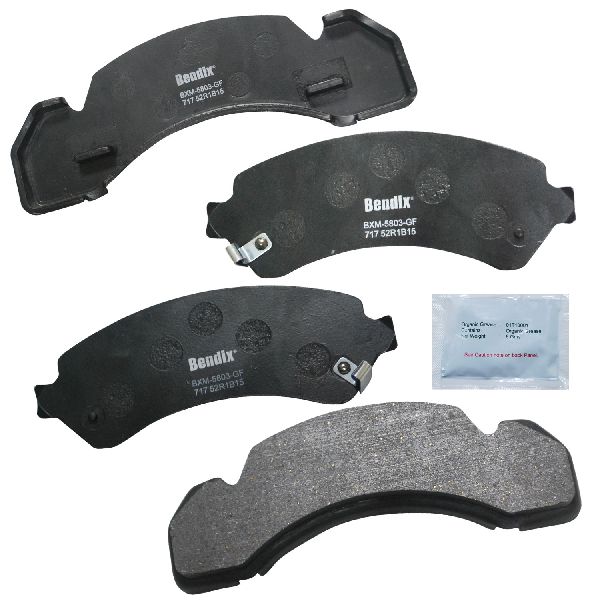
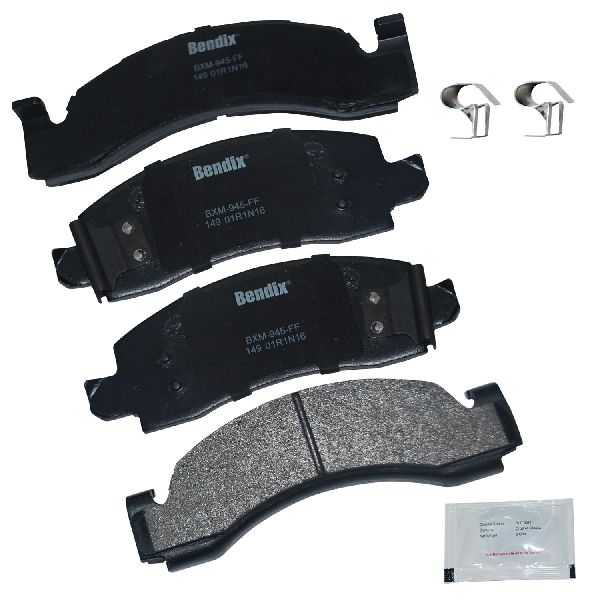
| Better (OEM-Quality / Fleet) | Bendix, Wagner Brakes | Fleets and owners who want durability and performance that meets or exceeds the original factory pads. These are excellent all-around choices for most TC1000 routes. |
| Best (Severe Duty) | Powerstop (Truck & Tow), Wagner SD, Bendix (Fleet MetLok) | Buses operating in demanding conditions like hilly terrain, heavy city traffic with constant stops, or when carrying maximum loads. These pads are engineered for maximum heat resistance and longevity. |
Pro Tip: For this vehicle, semi-metallic brake pads are generally recommended. They offer excellent stopping power and heat dissipation, which are crucial for heavy vehicles. While they can produce more dust than ceramic pads, their performance under load is superior.
Known Issues, Recalls, and Service Bulletins
While there are no specific recalls or technical service bulletins (TSBs) for the disc brake pads on the 1997-2000 TC1000, Blue Bird has issued recalls for brake components on other models and years. These recalls often involve issues with calipers, brake lines, or other hydraulic components. This highlights the importance of inspecting the entire brake system, not just the pads, during a replacement job. Check for fluid leaks from calipers and hoses, and ensure caliper slide pins move freely.
Frequently Asked Questions (FAQ)
Do I need to replace my brake rotors at the same time as the pads?
It is highly recommended. Installing new pads on old, worn rotors can lead to uneven braking, noise, and reduced pad life. For a safety-critical vehicle like a bus, always inspect rotors for signs of heavy wear, deep grooves, or heat damage (bluing), and replace them if any of these are present.
What is the difference between semi-metallic and ceramic pads for my bus?
Semi-metallic pads contain metal fibers that help dissipate heat and provide strong stopping power, making them ideal for heavy vehicles. Ceramic pads are quieter and produce less dust but may not offer the same level of performance under the extreme heat and pressure of stopping a fully loaded bus. For the TC1000, a severe-duty semi-metallic pad is the safest choice.
How often should I replace the brake pads on my TC1000?
There is no set mileage. Pad life depends entirely on your driving conditions. A bus used in a hilly city with frequent stops will need new pads much sooner than one used for long highway routes. Regular inspection is key. Check your pads during every oil change or at least twice a year.
Is changing the brake pads on a TC1000 a DIY job?
This job is more difficult than on a passenger car due to the size and weight of the components. The wheels alone can weigh over 100 pounds, and the calipers are also very heavy. It requires heavy-duty jacks, safety stands, and large tools. While possible for an experienced mechanic with the right equipment, professional installation is recommended for safety.
Technical Specifications
The 1997-2000 Blue Bird TC1000 with hydraulic disc brakes typically uses a 66mm dual-piston pin slide caliper. It is essential to confirm the specific caliper type on your vehicle before ordering parts. The brake system is a dual-circuit hydraulic system with a hydro-max booster.
We Have This Part in Stock


The information in this article is provided for general reference and educational purposes only. Vehicle specifications, procedures, and part compatibility can vary by production date, trim level, and region. Always consult your vehicle's factory service manual and verify part numbers before purchasing or performing repairs. Safety-critical components such as airbags, seat belts, and braking systems should be installed by a qualified professional.
- Blue Bird TC1000: