

A Professional’s Guide to the 1996-2008 Freightliner FS65 Disc Brake Pad Set
Choosing the right brake pads for your FS65 school bus chassis is critical for safety and performance.
- Only use 'Severe Duty' or 'Fleet' grade semi-metallic brake pads from a reputable brand.
- During brake service, inspect for the two known brake line recalls (NHTSA 04V-343 and FL550A) for safety.
- For best performance and safety, always replace brake pads and rotors together as a set.
- Due to the safety-critical nature of brakes on a school bus chassis, professional installation is strongly recommended.
Signs of Failing Disc Brake Pads
As a heavy-duty vehicle, the Freightliner FS65 places significant demands on its braking system. Recognizing the signs of wear early is key to maintaining safety. Look out for these common symptoms:
- Squealing or Screeching: A high-pitched noise when you apply the brakes. This is often caused by a built-in wear indicator, a small metal tab that contacts the rotor when the pads are thin.
- Grinding Noises: A loud, harsh grinding or growling sound means the brake pad material is completely worn away. The metal backing plate is now grinding against the rotor, causing severe damage. Stop driving immediately if you hear this.
- Vehicle Pulling to One Side: If the bus pulls to the left or right during braking, it can indicate uneven wear or a problem with a brake caliper.
- Longer Stopping Distances: If you feel it takes longer to stop than it used to, your brake pads may be worn out or suffering from brake fade.
- Vibrations in the Pedal: A pulsing or vibrating feeling in the brake pedal can be a sign of warped rotors, often a result of the excessive heat generated by worn pads.
Important: Related Brake System Recalls
While there are no direct recalls for the disc brake pads on the FS65, the National Highway Traffic Safety Administration (NHTSA) has issued recalls for related brake system components that owners must be aware of. These involve potential brake fluid leaks, which can lead to a loss of braking ability.
- NHTSA Recall 04V-343: Affects 1996-2002 models with hydraulic brakes. A ground strap may rub against a steel brake line, causing a leak.
- NHTSA Recall FL550A: Affects 2004-2006 models with specific configurations. A hydraulic brake line could rub against the transmission dipstick tube, leading to wear and a potential leak.
It is critical to have a mechanic inspect these areas during any brake service to ensure your vehicle is safe.
Choosing the Right Aftermarket Brake Pads
Not all brake pads are created equal. For a Freightliner FS65, you must choose pads designed for "Severe Duty" or "Fleet" applications. Standard passenger car pads will not withstand the heat and weight, leading to premature failure and dangerous brake fade. The most common and recommended material for this application is semi-metallic.
Brand Tiers for Your FS65
Here’s an honest assessment of the available brands based on their severe-duty offerings:
Tier 1: Premium & Severe-Duty Specialists
These brands offer specific product lines engineered for the extreme demands of vehicles like the FS65. They are the top choice for safety, durability, and long-term performance.
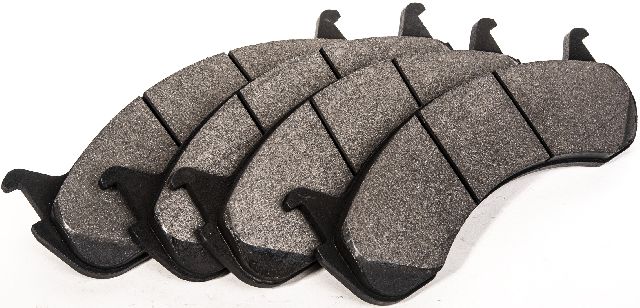
- Performance Friction: Their CarbonMetallic pads are engineered for fleet and severe-duty use, with case studies showing extended life and reduced costs on bus fleets. They are a premium option focused on longevity and high-temperature stability.
- Wagner Brakes: The Wagner SevereDuty™ line is specifically designed for hardworking vehicles like buses and emergency vehicles, built to handle extreme heat and continuous braking.
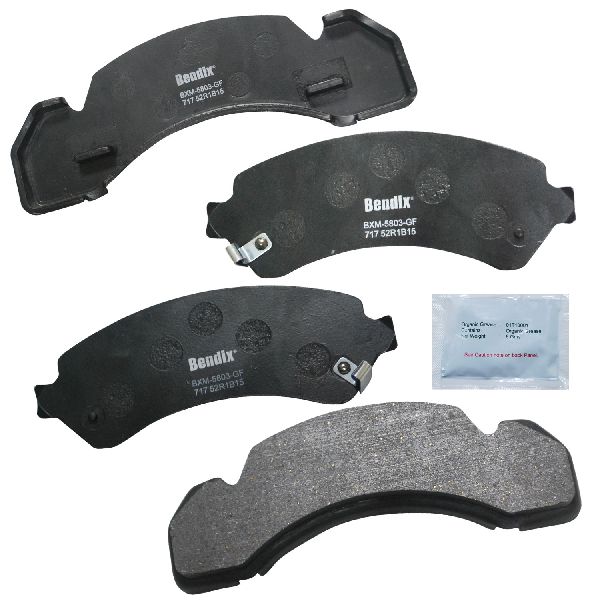
- Bendix: The Bendix Fleet Metlok® line is a well-regarded, heavy-duty semi-metallic pad designed for durability and stopping power in fleet and work truck applications.
Tier 2: Quality Aftermarket Options
These brands are reputable manufacturers that offer heavy-duty lines suitable for the FS65. They provide a good balance of performance and value.
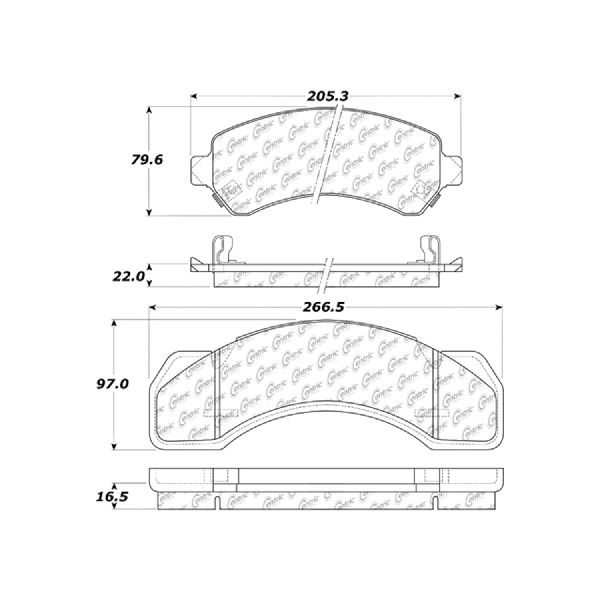
- Centric Parts: A well-known aftermarket supplier. You must select their fleet/heavy-duty semi-metallic pads, not their standard offerings. Their premium lines are engineered for high durability and performance.
- Dynamic Friction (DFC): Offers an "Ultimate Duty" line designed for trucks, towing, and heavy-duty use. They focus on application-specific formulas to match OE performance.
Other Available Brands
- Mevotech: While a known brand, Mevotech is primarily focused on chassis and suspension components. Their brake pad offerings are less common for this specific heavy-duty application compared to the specialists listed above.
| Category | Price Range | Notes |
|---|---|---|
| Aftermarket Severe-Duty Pads (per axle set) | $57.22 - $221.72 | Price varies significantly based on brand, friction material, and included hardware. Always prioritize quality and application-specific design over price. |
Pro Tip: Always Replace Hardware
When replacing brake pads, it is highly recommended to also replace the rotors and all associated hardware (clips, shims). On a heavy vehicle like the FS65, rotors wear along with the pads. Installing new pads on worn or warped rotors will reduce braking performance and cause premature pad wear.
Frequently Asked Questions (FAQ)
Can I use ceramic brake pads on my Freightliner FS65?
It is generally not recommended. While ceramic pads are quiet and produce low dust on passenger cars, the standard for heavy-duty applications like the FS65 is a robust semi-metallic compound. Severe-duty semi-metallic pads are better at managing the high heat generated when stopping a heavy vehicle.
How often do the brake pads need to be replaced?
There is no single answer. Brake pad life depends entirely on driving conditions (city vs. highway), driver habits, and load. For a school bus, regular and frequent inspections are mandatory. A visual inspection should be part of every routine service, and pads should be replaced when they reach the manufacturer's minimum thickness specification.
What is the difference between "heavy-duty" pads and regular pads?
Heavy-duty pads use friction materials formulated to resist brake fade at very high temperatures. They are built with stronger backing plates and are designed to provide consistent stopping power when slowing a vehicle weighing many tons. Regular passenger car pads would overheat and fail quickly under these conditions.
Is it okay to replace just the brake pads?
While technically possible, it is poor practice, especially on a heavy vehicle. Brake rotors wear down with the pads. Installing new pads on a worn, uneven, or "lipped" rotor will lead to noise, poor performance, and drastically reduced pad life. For safety and performance, always replace pads and rotors as a set.
Technical Specifications
Brake System: Hydraulic Disc Recommended Pad Material: Semi-Metallic (Severe-Duty/Fleet Grade)
We Have This Part in Stock


The information in this article is provided for general reference and educational purposes only. Vehicle specifications, procedures, and part compatibility can vary by production date, trim level, and region. Always consult your vehicle's factory service manual and verify part numbers before purchasing or performing repairs. Safety-critical components such as airbags, seat belts, and braking systems should be installed by a qualified professional.
- Freightliner FS65: