

Peterbilt 385 Radiator Coolant Hose Replacement Guide (1996-2007)
Keep your engine cool and prevent costly breakdowns by understanding when and how to replace your radiator hoses.
- You must verify your specific engine (e.g., Cat C12, Cummins M11) before ordering, as hoses are engine-specific.
- A leaking radiator hose can cause rapid overheating and catastrophic engine failure; do not drive with a known leak.
- High-quality aftermarket brands like Gates and Continental are standard, reliable choices for this repair on an older truck.
- Always replace hose clamps with the hoses to ensure a proper, lasting seal and prevent future leaks.
Signs of a Failing Radiator Hose
A failed radiator hose is not a minor issue—it can quickly lead to engine overheating and catastrophic damage. Being stranded over a simple hose is avoidable. Watch for these clear warning signs:
- Coolant Leaks: This is the most obvious symptom. You might see puddles of green, yellow, or pink fluid under the front of your truck after it's been parked. You may also notice a sweet smell from the engine bay, which is the scent of burning coolant.
- Visible Hose Damage: Inspect your hoses regularly. Look for cracks, splits, or abrasions. A hose that is bulging, swollen, or feels excessively soft and mushy when squeezed is weak and likely to fail soon. A hose that feels rock-hard and brittle is also a problem, as it can crack under pressure.
- Overheating Engine: If your temperature gauge is climbing into the red, a leaking or collapsed hose could be the cause. A collapsed hose acts like a clog, preventing coolant from circulating properly.
- Low Coolant Level: If you frequently have to top off your coolant reservoir, you have a leak somewhere in the system. The radiator hoses are a common culprit.
Check Your Engine Type Before Ordering
The 1996-2007 Peterbilt 385 was available with several different engines, including models from Caterpillar (C12, C15) and Cummins (M11, ISM). The shape, size, and part number of the radiator hoses can vary significantly depending on the engine. Always confirm your truck's specific engine before purchasing a replacement hose.
Choosing the Right Aftermarket Hose
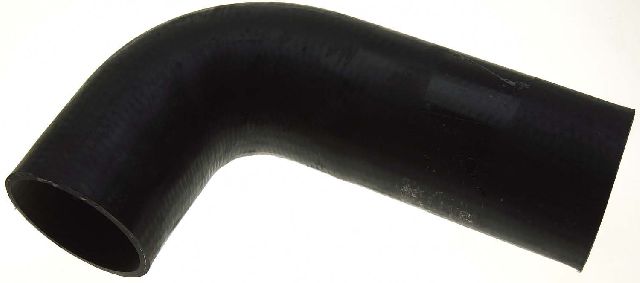
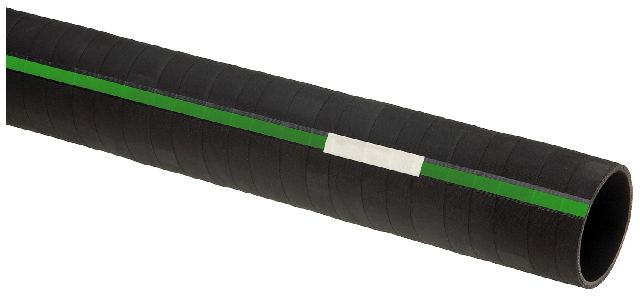
For a truck in the 1996-2007 age range, using high-quality aftermarket parts for common wear items like radiator hoses is a smart and cost-effective choice. OEM hoses can be expensive and sometimes are part of larger, very costly rigid tube assemblies. Aftermarket brands like Continental, Dayco, and Gates specialize in producing reliable replacement hoses that meet or exceed OEM specifications.
- Good (Standard Replacement): Dayco is a well-known brand offering a wide range of hoses that provide a good balance of quality and affordability. They are a common choice for everyday repairs.
- Better (OEM-Quality): Continental (ContiTech) and Gates are often considered top-tier aftermarket brands. They have a strong reputation for excellent fit and durability, and are frequently used by professional mechanics. Some users note that Gates hoses sometimes offer a more precise fit than other brands, which is critical for preventing leaks.
Pro Tip: Always replace the hose clamps when you replace the hoses. Old clamps can lose their tension or dig into the new hose, causing a leak. Constant-tension or spring-style clamps are often recommended over basic worm-gear clamps to maintain a secure seal as the hose material expands and contracts with heat cycles.
Estimated Replacement Costs for Peterbilt 385
| Part | Estimated Cost |
|---|---|
| New Aftermarket Radiator Hose | $28.06 - $124.47 |
| New OEM Radiator Hose | $70 - $400+ (Often part of a more expensive tube assembly) |
| Shop Labor | $150 - $400 (1-2 hours at heavy-duty shop rates) |
| Total Professional Replacement (Aftermarket) | $178 - $525 |
Frequently Asked Questions (FAQ)
Do I need to replace the metal coolant tubes too?
Usually, no. The rigid metal tubes are designed to last much longer than the flexible rubber hoses. You typically only replace the rubber hose sections that connect to the tubes, engine, and radiator. Replace the metal tubes only if they are physically damaged or severely corroded.
Should I replace just the leaking hose or all of them?
It is highly recommended to replace radiator hoses in pairs (upper and lower). They are exposed to the same age, heat, and pressure. If one has failed, the other is likely near the end of its service life. Replacing them together saves you from a potential second breakdown in the near future.
Is replacing a radiator hose on a Peterbilt 385 a DIY job?
For a mechanically inclined owner, it can be. The process is straightforward: drain the coolant, remove the old hose and clamps, install the new parts, and refill the system. However, the scale of a heavy-duty truck makes it more challenging than a car. You will be dealing with a large volume of coolant, and access to the lower hose can be difficult. If you are not confident, having a professional do the job is the safest bet.
What kind of coolant should I use in my Peterbilt 385?
Always use a heavy-duty diesel engine coolant that meets the specifications for your engine (Caterpillar, Cummins, etc.). Using the wrong type of coolant can lead to corrosion and damage to your cooling system. Check your owner's manual or the engine manufacturer's recommendations for the correct coolant type, such as an Extended Life Coolant (ELC).
Technical Specifications
OEM Part Numbers: 07-06508 (Upper Coolant Tube) 07-05881 (Lower Radiator Tube)
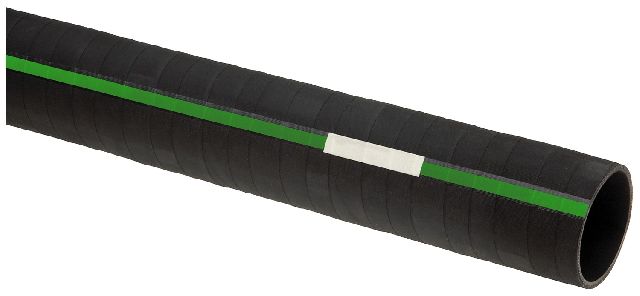
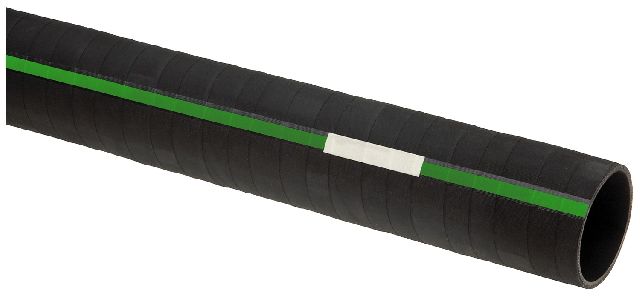
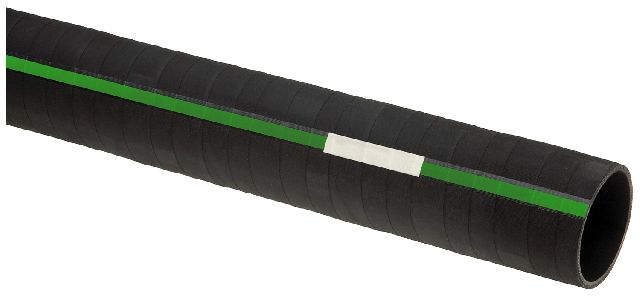
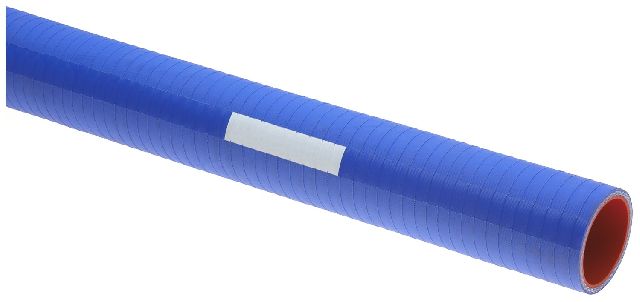
The cooling system on the Peterbilt 385 often uses a combination of rigid metal coolant tubes and flexible EPDM rubber hoses. The aftermarket hoses listed connect these rigid tubes to the radiator and engine. Common diameters include 2.25 and 2.5 inches. It is critical to match the replacement hose to the engine type (e.g., Caterpillar, Cummins) installed in your truck.
We Have This Part in Stock

The information in this article is provided for general reference and educational purposes only. Vehicle specifications, procedures, and part compatibility can vary by production date, trim level, and region. Always consult your vehicle's factory service manual and verify part numbers before purchasing or performing repairs. Safety-critical components such as airbags, seat belts, and braking systems should be installed by a qualified professional.
- Peterbilt 385: