

Guide to the Engine Intake Manifold Gasket for the 1996-2007 GMC W3500 Forward
Addressing rough idling, coolant leaks, or poor performance in your cab-over truck starts with understanding this critical seal.
- You must correctly identify your engine (Isuzu diesel vs. GM V8) before ordering a gasket set, as they are not interchangeable.
- Symptoms include rough idle, coolant leaks, overheating, and Check Engine Light codes like P0171.
- Since labor is the main expense, choosing a premium aftermarket gasket from a brand like Victor Reinz can improve long-term reliability.
- This is an advanced repair; using a torque wrench and following the correct bolt tightening sequence is mandatory for a successful seal.
Is Your Intake Gasket Failing? Common Symptoms
A bad intake manifold gasket can cause problems that seem unrelated. Because the GMC W3500 Forward is based on the Isuzu NPR platform and used several different engines, symptoms can vary slightly, but here are the main things to watch for.
- Rough Idle and Misfires: A break in the gasket's seal allows unmetered air to enter the engine. This creates a lean air-fuel mixture, causing the engine to run rough, shake at idle, or misfire. You may hear a hissing or whistling sound from the engine bay.
- Coolant Leaks and Overheating: On models where the gasket seals coolant passages (common on the V8 gas engines), failure can cause coolant to leak externally. You might see puddles of coolant or notice a sweet smell after driving. If the leak is internal, it can cause the engine to overheat without an obvious external leak.
- Poor Performance and Fuel Economy: When the engine's computer tries to compensate for the air leak, it can lead to poor acceleration, hesitation, and a noticeable drop in fuel mileage.
- Check Engine Light: A vacuum leak will often trigger a Check Engine Light with lean condition codes (like P0171 or P0174) or misfire codes (like P0300).
Engine Identification is Critical
The single most important step before ordering this part is to identify your engine. The 1996-2007 W3500 Forward was equipped with Isuzu inline-4 diesel engines (like the 4BD2, 4HE1, 4HK1) and GM V8 gasoline engines (like the 5.7L or 6.0L). The gasket sets for these engines are completely different and not interchangeable. Check the emissions label on your engine or the vehicle's documentation to confirm.
Choosing the Right Aftermarket Gasket Set
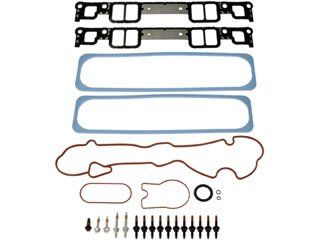
Since the labor to replace this gasket is the most expensive part of the job, choosing a quality part is essential to avoid doing the work twice. For this vehicle, you have reliable aftermarket options.
- Standard Aftermarket (Dorman): Dorman is a widely available brand that produces a vast range of parts. Their gaskets are a functional, budget-friendly choice for a standard repair. They meet basic requirements and are a suitable replacement for a worn-out factory gasket.
- Premium Aftermarket (Victor Gaskets): Victor Reinz (part of Dana/Mahle) is a brand known for producing high-quality gaskets, often as an original equipment supplier to many manufacturers. Their gaskets are engineered with modern materials designed to resist breakdown from today's long-life coolants and high engine temperatures. For a commercial work truck where downtime is costly, spending a little more on a premium gasket from a brand like Victor Reinz is a smart investment in reliability.
Pro Tip: While the intake manifold is off, it's the perfect time to clean the intake ports on the cylinder head and inspect for other potential issues. Also, consider replacing the thermostat and any old vacuum lines connected to the manifold, as they are easily accessible during this repair.
Cost to Replace the Intake Manifold Gasket
The cost is primarily driven by labor due to the time it takes to access the manifold. Prices can vary based on your engine type and local shop rates.
| Part/Service | Estimated Cost |
|---|---|
| New Aftermarket Gasket Set | $48 - $145 |
| Shop Labor | $400 - $800 |
| Total Estimated Cost | $450 - $945 |
Cost estimates are for reference and may vary.
Frequently Asked Questions
Is this a difficult DIY job?
Yes, this is considered an advanced DIY repair. It requires tilting the cab for engine access, draining coolant (on some models), and carefully disconnecting fuel lines, sensors, and wiring. The most critical part is cleaning the mating surfaces and tightening the manifold bolts to the correct torque in the proper sequence to ensure a good seal. If you are not experienced with this level of engine work, professional installation is recommended.
Do I need to use sealant on the new gaskets?
It depends on the gasket and engine type. Many modern gaskets are designed to be installed dry. However, some applications require a small amount of RTV sealant at the corners where the manifold meets the engine block. Always follow the specific instructions included with your new gasket set.
Are there any recalls for this issue on the GMC W3500 Forward?
No, searches of the NHTSA database did not find any specific recalls or widespread technical service bulletins (TSBs) for intake manifold gasket failure on the 1996-2007 GMC W3500 Forward. Failures are typically due to normal aging and wear. There was a recall for some 2006-2008 models for a fuel tank issue, but it is unrelated to the intake manifold.
Should I replace the intake manifold bolts?
While not always required, some manufacturers use torque-to-yield (TTY) bolts that are designed for one-time use and must be replaced. Check the service manual for your specific engine. Even if they are not TTY, it is good practice to inspect the bolts for corrosion or damage and replace them if necessary.
Technical Specifications
Gasket material varies by engine and brand, including composite, rubber molded on a carrier, and multi-layer steel (MLS). The set must be matched to your specific engine (e.g., Isuzu 4HE1 4.8L Diesel, GM 6.0L V8 Gas, etc.).
We Have This Part in Stock


The information in this article is provided for general reference and educational purposes only. Vehicle specifications, procedures, and part compatibility can vary by production date, trim level, and region. Always consult your vehicle's factory service manual and verify part numbers before purchasing or performing repairs. Safety-critical components such as airbags, seat belts, and braking systems should be installed by a qualified professional.
- GMC W3500 Forward: