

A Guide to Spark Plugs for the 1996-2006 Ford Explorer
Keep your Explorer's V6 or V8 engine running strong by choosing the right spark plugs and avoiding common replacement headaches.
- Identify your engine (4.0L V6 or 5.0L/4.6L V8) as it dictates the difficulty of the job and potential issues.
- For the common 4.0L SOHC V6, use Double Platinum plugs from a quality brand like Motorcraft, Autolite, or NGK to accommodate the waste-spark ignition system.
- If you have a 2002-2005 4.6L V8, it is critical to use a torque wrench to prevent the common issue of spark plugs blowing out of the cylinder head.
- Replacing plugs on the passenger side of the 4.0L SOHC V6 is very difficult; be prepared to work in tight spaces or remove the wheel and fender liner for access.
Understanding Your Explorer's Engine
The 1996-2006 Ford Explorer was available with several different engines, and the type of engine you have is the most important factor in choosing spark plugs and understanding the replacement job. The key is to know whether you have a V6 or a V8.
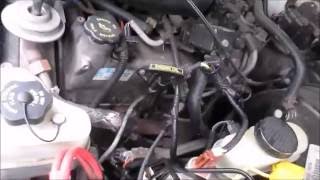
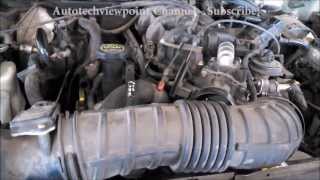
- 4.0L OHV V6 (1996): A reliable pushrod engine. Spark plug replacement is relatively straightforward. 🎬 See helpful tips for changing plugs on the 4.0L engine.
- 4.0L SOHC V6 (1997-2006): A more powerful single overhead cam engine. This is the most common V6, but spark plug replacement, especially on the passenger side, is known to be difficult due to tight spaces.
- 5.0L V8 (1996-2001): The classic Ford 302 V8. A dependable engine with relatively easy access to spark plugs.
- 4.6L 2V V8 (2002-2005): Part of Ford's Modular engine family. These engines are known for a potential issue where spark plugs can be ejected if not torqued correctly, due to having fewer threads in the aluminum cylinder heads.
Symptoms of Failing Spark Plugs

Worn-out spark plugs will give you clear signs that it's time for a change. Ignoring them can lead to more significant engine problems. Common symptoms include:
- Rough Idle: The engine may shake or sputter when you're stopped at a light.
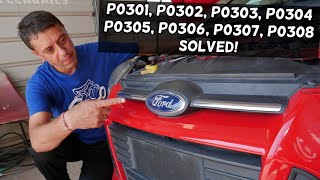
- Engine Misfires: You might feel a jerking or stumbling sensation during acceleration. This will often trigger a Check Engine Light with codes like P0300 (random misfire) or P0301-P0308 (for a specific cylinder). 🎬 Watch this guide on diagnosing and fixing engine misfire codes.
- Reduced Power & Acceleration: Your Explorer may feel sluggish and slow to respond.
- Poor Fuel Economy: When plugs don't fire efficiently, your engine wastes fuel.
- Difficulty Starting: A weak spark can make it hard for the engine to turn over, especially when cold.
Known Issue: V8 Spark Plug Ejection
The 4.6L 2-valve V8 engines (2002-2005) are known for having fewer threads in their aluminum cylinder heads. If spark plugs are not torqued to the correct specification, they can loosen over time and be forcibly ejected from the head, stripping the threads and requiring a costly repair. It is critical to use a torque wrench during installation.
Choosing the Right Aftermarket Spark Plugs

You don't need to buy expensive OEM parts to get great performance. Many aftermarket brands meet or exceed Ford's specifications. The key is choosing the right material and brand for your engine.
Spark Plug Materials
- Copper: Basic, inexpensive, and a good conductor. They have a shorter lifespan (around 20,000-30,000 miles) and are best for older, less demanding engines.
- Platinum/Double Platinum: A significant upgrade from copper. They last much longer (60,000-100,000 miles). Double platinum plugs are essential for the Explorer's V6 engines, which use a "waste spark" ignition system that fires plugs on both the power and exhaust strokes. Using single platinum plugs will cause one bank of cylinders to wear out twice as fast.
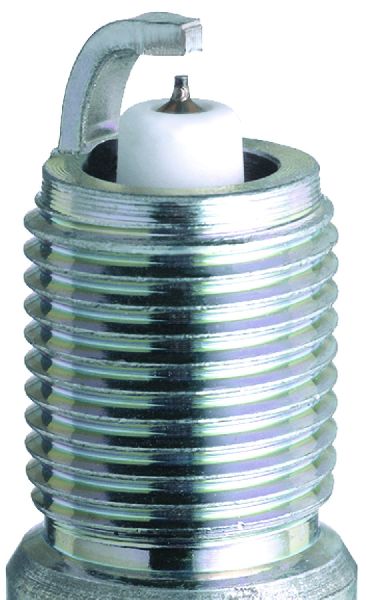
- Iridium: The best and most durable material. They offer the longest life (often over 100,000 miles) and provide a consistent, strong spark. While more expensive, their longevity makes them a good value.
Brand Tiers
Many owners and technicians agree that for Ford engines, sticking with Motorcraft or its direct equivalent, Autolite, is a safe bet. However, other top-tier brands also perform exceptionally well.
- Top Tier (Excellent Quality): NGK, Denso. These brands are world-renowned for their quality and are often used as original equipment by other manufacturers. They are an excellent choice for any Explorer engine.
- OEM Equivalent (Solid Quality): Motorcraft, Autolite. Autolite is the manufacturer for many Motorcraft plugs. They are designed to meet Ford's specific requirements and are highly recommended, especially the double platinum versions for the V6.
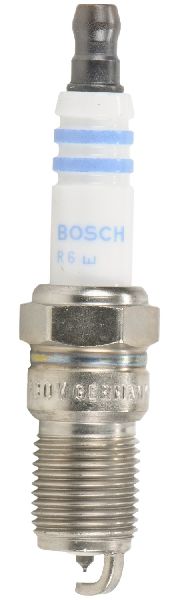
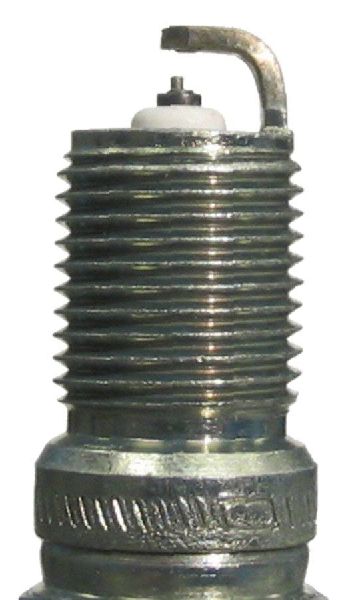
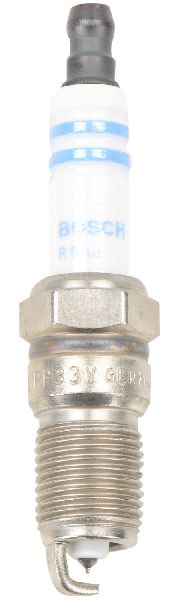
- Standard Tier (Good Quality): Bosch, Champion. These are reputable brands that offer reliable performance. However, some Ford owners report mixed results with multi-electrode plugs (like Bosch +2 or +4) and recommend sticking to single-electrode designs.
- Budget Tier (Entry Level): Accel, Skyward. These brands offer a lower-cost alternative. They can be suitable for older vehicles or if you're on a tight budget, but may not offer the same longevity or performance as higher-tier options.
| Plug Type | Price Range (Per Plug) | Best For |
|---|---|---|
| Copper | $2.56 - $5.00 | Budget-conscious repairs, older models |
| Platinum / Double Platinum | $5.00 - $15.00 | V6 engines, long-life performance |
| Iridium | $8.00 - $26.47 | Maximum longevity and performance |
Frequently Asked Questions

How often should I change my Explorer's spark plugs?
It depends on the plug type. Copper plugs should be changed every 20,000-30,000 miles. Platinum and Iridium plugs can last from 60,000 to over 100,000 miles. Always check your owner's manual for the recommended interval, but if you notice any symptoms, it's time for an inspection.
What is a spark plug gap and why is it important?
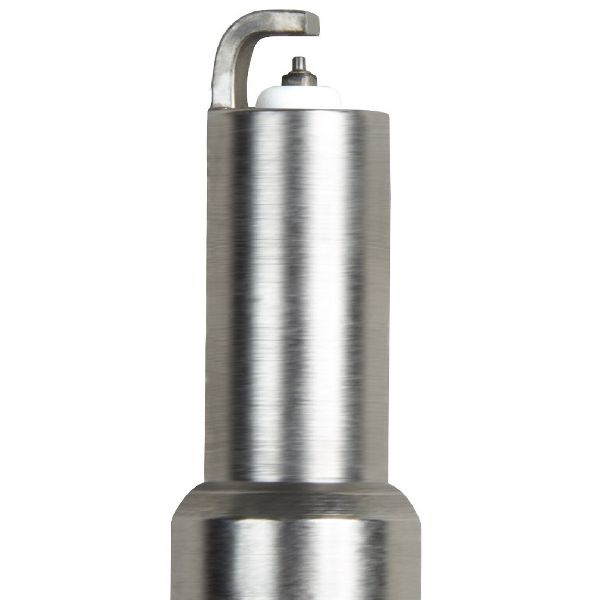
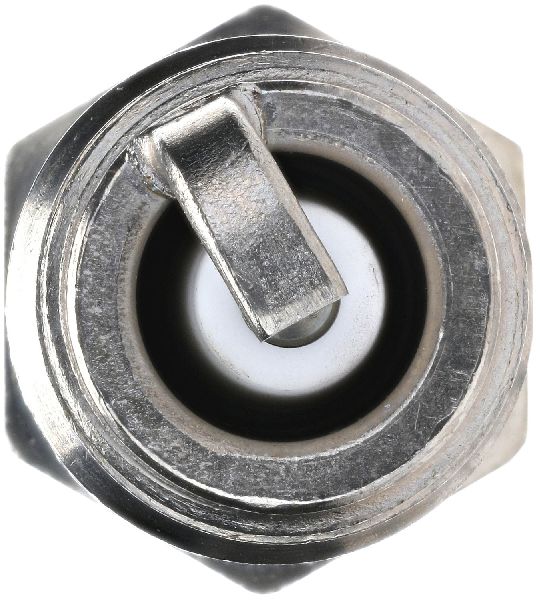
The gap is the small space between the center and ground electrodes. The spark must jump this gap to ignite the fuel. For the 4.0L and 5.0L engines in this generation, a common gap is 0.054 inches. Even if plugs are advertised as "pre-gapped," you should always verify the gap with a feeler gauge before installation.
Is replacing the spark plugs a DIY job?
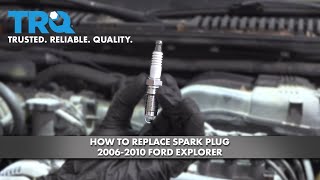
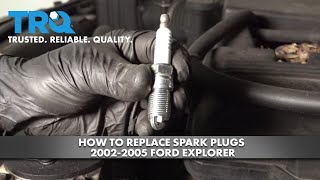
For many owners, yes. The V8 engines and the driver's side of the V6 are generally accessible. However, the passenger side of the 4.0L SOHC V6 is notoriously difficult. Many mechanics remove the passenger-side front wheel and inner fender liner 🎬 Follow this step-by-step video for replacing plugs on 2002-2005 models. to get better access. If you are not comfortable working in tight spaces or do not have the right tools (like a torque wrench, extensions, and swivel sockets), it may be best to leave this job to a professional.
Should I use anti-seize on the new spark plugs?
This is a topic of debate. Traditionally, a small amount of anti-seize on the threads was recommended to prevent the plug from getting stuck in the aluminum head. However, some modern plugs have special coatings that make anti-seize unnecessary. If you do use it, use it sparingly and reduce the final torque value by about 10-15% to avoid over-tightening.
Do I need to replace the spark plug wires too?
It's a good idea, especially if they are original. Over time, wires degrade and can cause a weak spark or misfires. When you buy new plugs, inspecting and often replacing the wires at the same time is a smart preventative measure.
Helpful Videos
Technical Specifications
OEM Part Numbers: AGSF22PPM AGSF22FM AGSF32WM
Engine Type: 4.0L OHV V6, 4.0L SOHC V6, 5.0L V8, 4.6L 2V V8 Spark Plug Gap: 0.054 inches (common for most models, but always verify) Thread Size: M14x1.25
We Have This Part in Stock

The information in this article is provided for general reference and educational purposes only. Vehicle specifications, procedures, and part compatibility can vary by production date, trim level, and region. Always consult your vehicle's factory service manual and verify part numbers before purchasing or performing repairs. Safety-critical components such as airbags, seat belts, and braking systems should be installed by a qualified professional.
- Ford Explorer: