

Solving Intake Manifold Gasket Leaks on the 1996-2006 Chevrolet Blazer 4.3L V6
If you own a Blazer with the 4.3L V6, it's not a matter of if the intake gasket will fail, but when.
- This is a very common failure on the 1996-2006 Blazer 4.3L V6 due to a flawed original gasket design.
- Insist on an upgraded gasket set with a metal carrier frame, not the original plastic design, to ensure a permanent repair.
- If you find milky, coffee-colored sludge in your oil, stop driving immediately to prevent catastrophic engine damage.
- Budget for 4 to 6 hours of labor for a professional repair, and plan to replace the oil, coolant, and intake bolts at the same time.
A Notorious Problem for the 4.3L V6
The intake manifold gasket on the 1996-2006 Chevrolet Blazer with the 4.3L V6 engine is a well-known failure point. The original factory gaskets used a plastic carrier frame that would crack and degrade over time due to heat and exposure to coolant. This almost always leads to leaks. Fortunately, aftermarket companies developed improved designs that solve this problem permanently.
Symptoms of a Failing Gasket
A bad intake manifold gasket can show itself in several ways. You might notice just one, or a few of these at the same time.
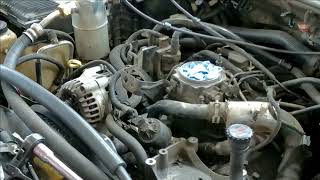
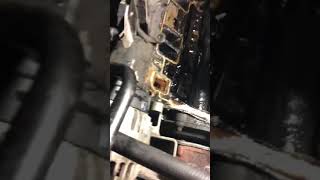
- Coolant Leaks: You may see coolant pooling on the front or rear of the engine block, right below where the intake manifold meets the heads. This is a very common external leak. 🎬 Watch: See exactly where these external coolant leaks occur.
- Engine Overheating: A significant coolant leak, either external or internal, will cause the engine to run hot and eventually overheat.
- "Milky" Engine Oil: This is a critical sign. When the gasket fails internally, it can allow coolant to leak into the engine's lifter valley and mix with the oil. If you check your oil dipstick or oil filler cap and see a creamy, coffee-colored sludge, you have coolant in your oil.
- Rough Idle and Misfires: A vacuum leak from a bad gasket can lean out the air/fuel mixture, causing the engine to run rough, misfire, or hesitate. This may trigger the Check Engine Light with codes like P0300 (Random Misfire), P0171 (System Too Lean Bank 1), or P0174 (System Too Lean Bank 2).
- Mysterious Coolant Loss: If you are constantly adding coolant but can't find a visible leak on the ground, the gasket may be leaking internally into the cylinders to be burned off, or directly into the oil.
Stop Driving Immediately If You Find Coolant in Your Oil
If you see the "milky" sludge on your dipstick or oil cap, do not continue to drive the vehicle. Engine coolant is not a lubricant and will quickly destroy engine bearings, leading to complete engine failure. The vehicle must be repaired before being driven.
Choosing the Right Aftermarket Gasket Set
The single most important factor when buying a new gasket set for your Blazer is to get the upgraded metal-frame design. Do not use a set with the old plastic-frame design, as it will only fail again. Here is a breakdown of common brand choices.
Tier 1: Problem-Solver Brands
These brands are known for high-quality, redesigned gaskets that fix the original factory flaw.
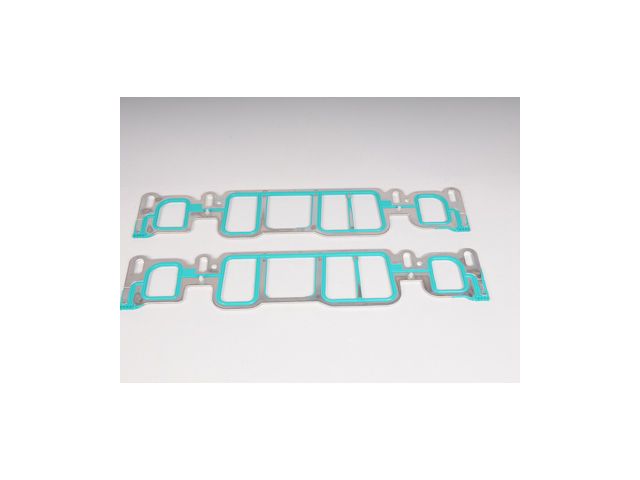
- ACDelco (Updated Design): As the original equipment supplier, ACDelco offers both the original problematic design and an updated, superior metal-frame version. Ensure you are purchasing the updated kit, which is considered a top-tier repair solution.
- Dorman: Dorman specializes in re-engineering factory parts to be better than the original. Their intake manifold gasket kits for the 4.3L V6 are typically of the improved metal-frame design and are a trusted choice for this repair.
Tier 2: Reputable Aftermarket Brands
These brands offer quality replacements and often feature the improved gasket design.
- Victor Reinz: A well-regarded brand, particularly for European vehicles, Victor Reinz also produces gaskets for domestic applications. They offer a steel-carrier gasket design called "MaxDry STL" which is a reliable choice for this engine. Quality is generally considered good.
Tier 3: Budget-Friendly Options
These brands provide a more affordable alternative. Quality can be inconsistent, so verify you are getting the metal-frame design.
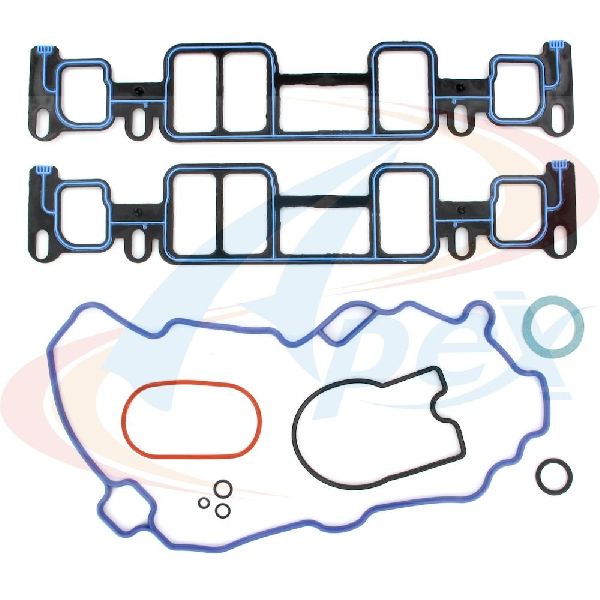
- Apex: Often seen as a budget brand, reviews for Apex gaskets are mixed. While they claim to meet or exceed OEM specifications, some users have reported issues. If choosing Apex, it is critical to inspect the gasket upon arrival to ensure it has a metal carrier, not plastic.
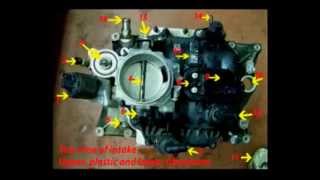
Pro Tip: Many professional technicians exclusively use brands like Fel-Pro's MS98000T set for this specific repair because of its reputation as a permanent fix. While not on the provided list, its design (a steel core with molded rubber seals) is the benchmark you should look for 🎬 Watch: A detailed look at the improved metal gasket version. in any brand you choose.
Cost to Replace the Intake Manifold Gasket
| Part or Service | Estimated Cost |
|---|---|
| New Aftermarket Gasket Set | $23.86 - $105.73 |
| Shop Labor | $350 - $650 |
| Total Professional Repair | $400 - $800+ |
Cost estimates are approximate and can vary by location and repair shop. The total cost can be higher if other components like the thermostat, coolant, and oil need replacement.
Frequently Asked Questions
Do I need to replace the intake manifold bolts?
It is highly recommended. The original bolts are often torque-to-yield, meaning they stretch when tightened and are designed for one-time use. Reusing them can lead to improper clamping force and a failed seal. Always use new bolts designed for your specific engine.
Should I use extra sealant on the gaskets?
No. The rubber seals on the new gaskets are designed to be installed dry. However, you will need to apply a small bead of RTV sealant on the corners where the intake manifold meets the engine block's front and rear china walls. Your gasket kit will likely include a small tube of RTV for this purpose.
How can I tell if I'm buying the old plastic gasket or the new metal one?
Look at the product description and images carefully. Look for terms like "problem solver," "updated design," "steel core," or "metal carrier." The plastic gaskets are typically black plastic frames with colored rubber seals, while the upgraded ones have a visible silver-colored metal frame. If in doubt, contact the seller to confirm before purchasing.
Is this a good time to replace other parts?
Yes. Since you'll have the top of the engine disassembled, it's a great time to inspect and replace the thermostat, coolant hoses, serpentine belt, and distributor cap and rotor if they are worn. At a minimum, you will need to do an oil change and coolant flush as part of the job.
🎬 See this comprehensive step-by-step intake manifold replacement guide.Helpful Videos
Technical Specifications
OEM Part Numbers: 17113215
The most critical specification is ensuring the gasket set features an upgraded steel or aluminum carrier frame instead of the original, failure-prone plastic design. The kit should include both lower intake manifold gaskets, upper plenum gaskets, and RTV sealant.
We Have This Part in Stock



The information in this article is provided for general reference and educational purposes only. Vehicle specifications, procedures, and part compatibility can vary by production date, trim level, and region. Always consult your vehicle's factory service manual and verify part numbers before purchasing or performing repairs. Safety-critical components such as airbags, seat belts, and braking systems should be installed by a qualified professional.
- Chevrolet Blazer: