

Peterbilt 362 Serpentine Belt Replacement Guide (1996-2005)
Keep your 362 running strong by understanding when and how to replace your serpentine belt.
- A squealing belt is a warning; investigate the cause instead of ignoring it.
- Always inspect the tensioner and all idler pulleys for wobble or noise when replacing the belt.
- For engines like the Cummins N14, be aware of specific issues like pulley misalignment that can cause repeated belt failure.
- Always choose a heavy-duty or fleet-grade belt from a quality brand like Gates, Continental, or Dayco for a Class 8 truck.
Is Your Serpentine Belt Failing?
A failing serpentine belt on your Peterbilt 362 will give you warning signs. Ignoring them can leave you stranded. Look for these common symptoms:
- Squealing or Chirping Noises: This is the most common sign. A high-pitched squeal, especially on startup or when the engine is damp, often points to a worn or loose belt. A chirping noise can indicate a pulley misalignment problem.
- Visible Damage: Do a visual inspection. If you see cracks, fraying, missing ribs, or a glazed, shiny appearance on the belt, it's time for a replacement.
- Accessory Problems: If your battery light comes on, your power steering feels heavy, or the engine temperature starts to climb, the belt may have slipped or snapped completely.
Engine-Specific Issues to Watch For
Your 362 likely has a Cummins or Caterpillar engine, and they have known belt system issues. Being aware of them can save you from repeated failures.
- Cummins N14 Engines: These engines are known for having issues with fan drive belts rolling over or coming completely off the pulleys. This is often caused by a misalignment of the fan hub bracket. If you have persistent belt failures, the pulley alignment must be checked. Gates makes a special "PowerBand" belt, which joins two belts together to prevent them from flipping over on these drives.
- Caterpillar C15/3406E Engines: Pulley alignment is also critical on these engines. A misaligned A/C compressor or a bad idler pulley bearing can cause the belt to shred. When replacing the belt, it is critical to inspect every pulley for wobble or damage.
Choosing the Right Aftermarket Serpentine Belt
For a truck that is 20-30 years old, new OEM parts can be hard to find and expensive. High-quality aftermarket belts from reputable brands offer performance that meets or exceeds the original specifications. The key is to choose a "Heavy Duty" or "Fleet" designated belt, as these are built to withstand the high temperatures and constant stress of a Class 8 truck engine.
Brand Tiers for Your Peterbilt 362
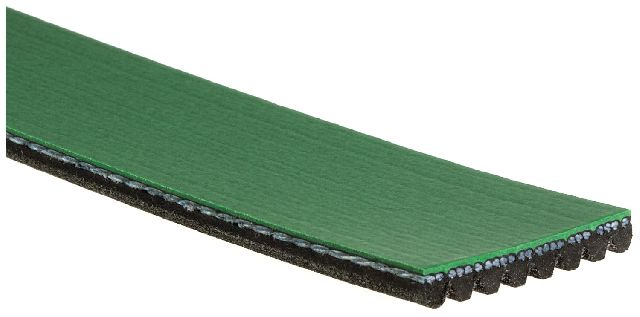
- Top Tier (Gates, Continental): Gates is a well-respected name in the heavy-duty world and is an OEM supplier to many truck manufacturers. Their FleetRunner and Green Stripe lines are designed for the toughest applications. Continental, which now owns the technology from the popular Goodyear Gatorback belts, is another premium choice known for quiet operation and durability.
- Quality Alternative (Dayco): Dayco is another major manufacturer that produces heavy-duty belts. While some mechanics have preferences, Dayco belts are a reliable choice and are widely available.
Serpentine Belt Replacement Costs for Peterbilt 362
The cost to replace the serpentine belt on your 362 will depend on the engine and whether you do the work yourself or hire a shop. Labor rates for heavy-duty trucks are typically higher than for passenger cars.
| Part/Service | Estimated Cost |
|---|---|
| New Aftermarket Serpentine Belt | $17.22 - $93.64 |
| Shop Labor | $150 - $300 |
| Total Estimated Cost (Parts + Labor) | $167 - $394 |
Note: Costs are estimates and can vary based on your location, specific engine configuration, and the shop's labor rates. This does not include the cost of replacing a tensioner or other pulleys if they are found to be faulty.
Frequently Asked Questions
How often should I replace the serpentine belt on my Peterbilt 362?
There is no universal answer, but a good rule of thumb for a commercial truck is to inspect it at every service interval and consider preventative replacement every 100,000 to 150,000 miles or every 3-4 years, whichever comes first. For a work truck, it's better to replace it early in the shop than to have it fail on the road.
Can I replace the serpentine belt myself?
Yes, if you have mechanical experience and the right tools, this is a DIY-feasible job for many owner-operators. You will need a long-handled ratchet or breaker bar to release the spring-loaded tensioner. The most important steps are to make a diagram or take a photo of the belt routing before you start and to inspect all the pulleys while the belt is off.
Why is my new belt already squeaking?
If a new belt is squeaking, the problem is almost never the belt itself. The most likely causes are a weak tensioner that isn't providing enough force, misaligned pulleys, or fluid (like oil or coolant) that has contaminated one of the pulleys. Do not ignore the noise; you must find and fix the underlying cause.
Do I need a special belt for my engine?
Yes, the belt length and number of ribs are specific to your engine (e.g., Cummins N14, Cat C15) and the accessories on your truck (like with or without A/C). Always use your vehicle's year, make, model, and engine to find the exact part number. You cannot simply ask for a "C15 belt," as the configuration can vary by truck manufacturer. Matching the part number off the old belt is the most reliable method if it's still legible.
Technical Specifications
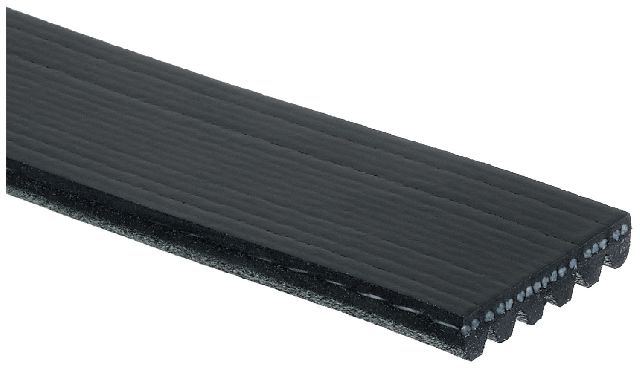
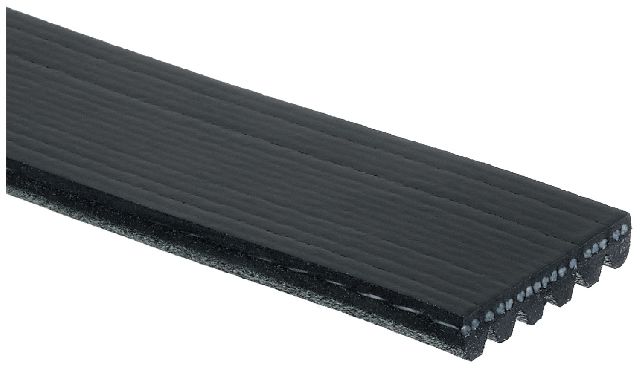
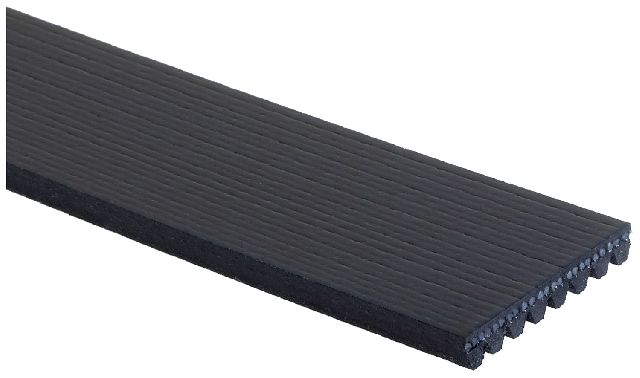
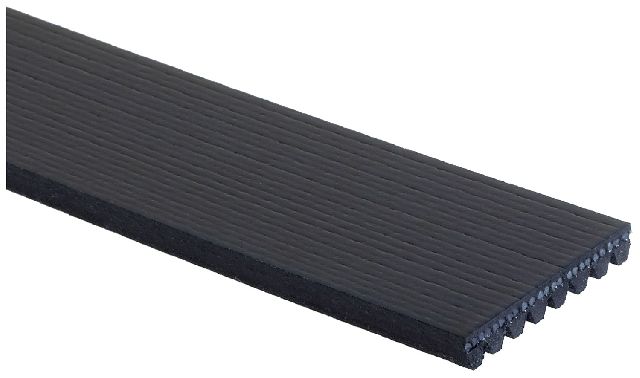
Belt length and rib count vary significantly based on the specific engine (Caterpillar, Cummins, Detroit Diesel) and accessory configuration. Belts are typically made from EPDM rubber for longevity and heat resistance. Heavy-duty versions feature enhanced construction and materials like aramid cords for higher load capacity.
We Have This Part in Stock

The information in this article is provided for general reference and educational purposes only. Vehicle specifications, procedures, and part compatibility can vary by production date, trim level, and region. Always consult your vehicle's factory service manual and verify part numbers before purchasing or performing repairs. Safety-critical components such as airbags, seat belts, and braking systems should be installed by a qualified professional.
- Peterbilt 362: