

Engine Coolant Thermostat Guide for 1996-2005 Ford Mustang
Keep your SN95 or New Edge Mustang's engine running at the perfect temperature with the right thermostat.
- A thermostat can fail stuck open (engine runs too cool) or stuck closed (engine overheats). Overheating is a critical failure.
- For most owners, a Motorcraft or quality aftermarket brand like Stant or Gates with the factory temperature rating (192-195°F) is the best choice.
- Replacement is a DIY-friendly job, typically taking about an hour with basic hand tools.
- Always replace the gasket with the thermostat and inspect the housing for cracks or damage.
Symptoms of a Failing Thermostat


A thermostat can fail in two ways: stuck open or stuck closed. Each has distinct symptoms. If you notice any of these signs with your 4.6L V8 or 3.8L V6 Mustang, it's time to inspect your thermostat.
Stuck Closed: This is the most dangerous failure. Coolant can't get to the radiator, causing the engine to overheat quickly. You'll see the temperature gauge spike into the red. Pull over immediately and shut off the engine to prevent severe damage like a blown head gasket.
Stuck Open: If the thermostat is stuck open, coolant flows to the radiator constantly. This makes it take a very long time for your engine to warm up, especially in cold weather. You may notice poor heater performance and your temperature gauge staying in the cold range. This can also lead to poor fuel mileage and a check engine light for code P0128 (Coolant Thermostat Below Thermostat Regulating Temperature).
Choosing the Right Aftermarket Thermostat

For the 1996-2005 Mustang, you have several good options ranging from OEM replacements to performance upgrades. The choice depends on your car's setup and your goals.
Brand Quality Tiers
Not all aftermarket parts are created equal. Here’s a breakdown of the brands available for your Mustang, based on owner experiences and general reputation.
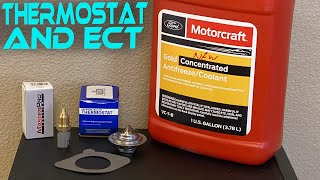
- OEM / Premium Aftermarket: Motorcraft is the original Ford part and the safest bet for a perfect fit and factory-spec operation. Stant and Gates are highly regarded aftermarket brands that are often OEM suppliers for other car manufacturers and are considered reliable choices.
- Performance Brands: Mishimoto and Edelbrock offer thermostats that open at a lower temperature (e.g., 160°F or 180°F). These are designed for modified or racing engines to start the cooling process sooner. For a stock or lightly modified daily driver, sticking with the factory temperature (192°F or 195°F) is usually best to ensure the engine operates as designed. Some users report mixed results with lower-temp thermostats on street cars.
- Standard Aftermarket: Brands like Motorad and Calorstat are common in the aftermarket. However, some owners have reported premature failures or issues with quality control, particularly with "fail-safe" designs that can lock open unnecessarily. While many have no issues, the risk of a faulty part may outweigh the small cost savings.
Pro Tip: Before installing any new thermostat, test it by placing it in a pot of water on the stove with a thermometer. Watch to see that it opens as the water heats up to its rated temperature. This simple step can save you from installing a defective part.
Cost of a New Thermostat (1996-2005 Mustang)
| Part Type | Estimated Cost |
|---|---|
| New Aftermarket Thermostat | $7 - $69 |
| New OEM (Motorcraft) Thermostat | $15 - $30 |
| Shop Labor for Installation | $75 - $150 |
Prices are estimates and can vary based on brand, location, and vehicle specifics.
Frequently Asked Questions

What temperature thermostat should I use for my Mustang?
For a stock or daily-driven 1996-2005 Mustang, a factory-spec 192°F or 195°F thermostat is recommended. Modern fuel-injected engines are designed to run at this temperature for efficiency and emissions control. Lower temperature thermostats (180°F or below) are generally for heavily modified or track-focused cars and may require a corresponding tune adjustment for the cooling fans.
Do I need to replace the gasket and housing?
Always replace the thermostat gasket or O-ring to prevent leaks. Many new thermostats come with one. Inspect the thermostat housing for cracks, corrosion, or warping, especially the original plastic ones which can become brittle. If it's damaged, replace it to ensure a proper seal.
Is replacing the thermostat a DIY job?
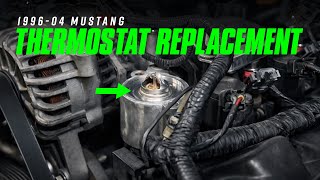
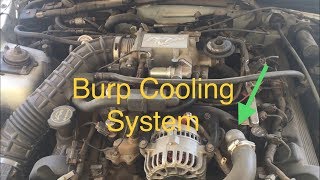
Yes, for most owners with basic tools, this is a straightforward job that takes about an hour. It involves partially draining the coolant, removing the upper radiator hose from the housing, unbolting the housing (usually two 10mm bolts), swapping the thermostat, and reassembling. Be sure to properly bleed the air out of the cooling system afterward.
Are there any recalls for the 1996-2005 Mustang thermostat?
There are no specific recalls for the thermostat itself on these models. However, there were many complaints and a known issue with the plastic intake manifold on 1996-2001 GT models cracking near the thermostat housing, causing a major coolant leak. While not a thermostat failure, the symptoms are similar (sudden coolant loss and overheating).
Helpful Videos
Technical Specifications
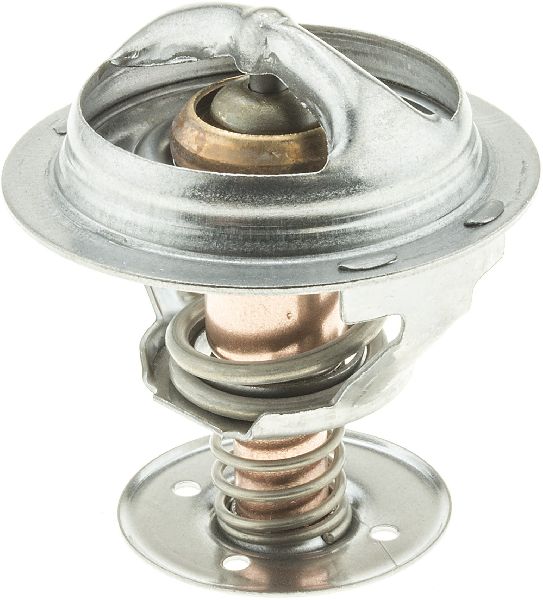
OEM Part Numbers: 7L3Z8575B 7L3Z8575D F65Z8575BC F68Z8575BA 7L3Z-8575-E
Standard Opening Temperature: 192°F or 195°F. Location: At the front of the engine where the upper radiator hose connects to the intake manifold (V8) or front engine cover (V6).
We Have This Part in Stock


The information in this article is provided for general reference and educational purposes only. Vehicle specifications, procedures, and part compatibility can vary by production date, trim level, and region. Always consult your vehicle's factory service manual and verify part numbers before purchasing or performing repairs. Safety-critical components such as airbags, seat belts, and braking systems should be installed by a qualified professional.
- Ford Mustang: