

Oxygen Sensor Guide for the 1996-2005 Chevrolet Express 2500
Solve poor gas mileage and a check engine light by choosing the right oxygen sensor for your Chevy work van.
- Your van has multiple O2 sensors; use a code scanner to identify the exact one that failed before buying a replacement.
- ACDelco (OE) and Denso are the most recommended brands for reliability and compatibility with your van's computer.
- A special O2 sensor socket and penetrating oil are essential tools for a successful DIY replacement, as sensors are often rusted in place.
- When diagnosing, check the sensor's wiring for melting or damage, as this is a common point of failure.
Is Your Van Running Rough? It Could Be the O2 Sensor.

A failing oxygen sensor is a common issue on hardworking vehicles like the Chevrolet Express 2500. Over time, these sensors can become contaminated or simply wear out, leading to a range of engine problems. Ignoring a bad O2 sensor can decrease fuel efficiency, cause engine performance issues, and potentially damage your expensive catalytic converter down the road.
Identifying the Correct Sensor
Your 1996-2005 Express 2500, especially if equipped with a V8, likely has four oxygen sensors. It's crucial to identify which one has failed before buying a replacement. The locations are:
- Bank 1: Driver's side of the engine.
- Bank 2: Passenger's side of the engine.
- Sensor 1: Upstream (before the catalytic converter). This sensor is used for fuel control.
- Sensor 2: Downstream (after the catalytic converter). This sensor monitors the converter's efficiency.
Pro Tip: The diagnostic trouble code (DTC) from a code scanner will tell you exactly which sensor is faulty (e.g., P0155 points to 'O2 Heater Circuit Bank 2 Sensor 1'). Always diagnose the problem before ordering parts.
Choosing the Right Aftermarket Oxygen Sensor
While ACDelco is the original equipment (OE) supplier for General Motors, several high-quality aftermarket brands offer reliable performance, often at a better price. However, some forum users have reported that brands other than ACDelco or Denso can sometimes cause compatibility issues with the van's computer.
Brand Quality Tiers for Your Express 2500
Tier 1: OE or Equivalent
- ACDelco: As the original GM part, it's guaranteed to fit and work correctly.
- Denso: Denso is a massive OE manufacturer and is widely believed to make the sensors for ACDelco. They are considered a top-tier choice and are often cheaper than the ACDelco-branded part.
Tier 2: Reputable Aftermarket
- Bosch: A world leader in O2 sensors. However, some Chevy owners have experienced issues with Bosch sensors not being perfectly calibrated for their engine's computer, sometimes leading to persistent codes. Others use them successfully. It's a quality part but may carry a slight compatibility risk compared to Denso or ACDelco.
- NGK / NTK: NTK is the sensor division of NGK plugs. They have a strong reputation and are a solid choice for a reliable aftermarket sensor.
Tier 3: Economy Brands
- DriveWire, Spectra, Walker Products: These brands offer a more budget-friendly option. They can be a good choice if the price is a primary concern, but their longevity and performance may not match the top-tier brands.
Known Issues, Recalls, and Service Bulletins
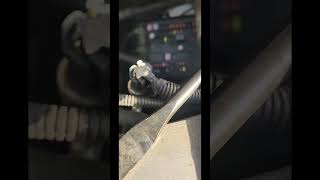
While the National Highway Traffic Safety Administration (NHTSA) has not issued any specific oxygen sensor recalls for the 1996-2005 model years, it's a known failure point. A common issue found by owners is the sensor's wiring harness melting from contact with the hot exhaust pipe, which can blow a fuse and trigger a sensor code. Always check the wiring and related fuses during diagnosis.
🎬 Watch this video to troubleshoot common Chevy Express sensor problemsFrequently Asked Questions (FAQ)

How many oxygen sensors does my 1996-2005 Express 2500 have?
V8 models typically have four sensors: one before and one after the catalytic converter on both the driver's side (Bank 1) and passenger's side (Bank 2). V6 models may have a different configuration. Always confirm based on your specific engine and year.
What's the difference between an upstream and downstream sensor?
The upstream sensor (Sensor 1) is located before the catalytic converter and is a primary input for the engine's air-fuel mixture. The downstream sensor (Sensor 2) is after the converter and its main job is to monitor the converter's health and efficiency.
Can I clean my old O2 sensor?
While some DIY methods for cleaning exist, it is not a reliable or permanent solution. The internal sensing element wears out over time, and cleaning the exterior shield won't restore its function. Replacement is the only recommended repair.
Do I need a special tool for replacement?
Yes, an O2 sensor socket is highly recommended. It has a slot for the wire to pass through, allowing you to fit the socket over the sensor. These sensors can be very tight or rusted in place, and using a standard wrench can be difficult and may damage the sensor or wiring.
Should I use anti-seize on the new sensor?
Most new, high-quality oxygen sensors come with anti-seize compound already applied to the threads. If not, you should apply a small amount of high-temperature, sensor-safe anti-seize to the threads, being careful not to get any on the sensor tip itself.
Helpful Videos
Technical Specifications
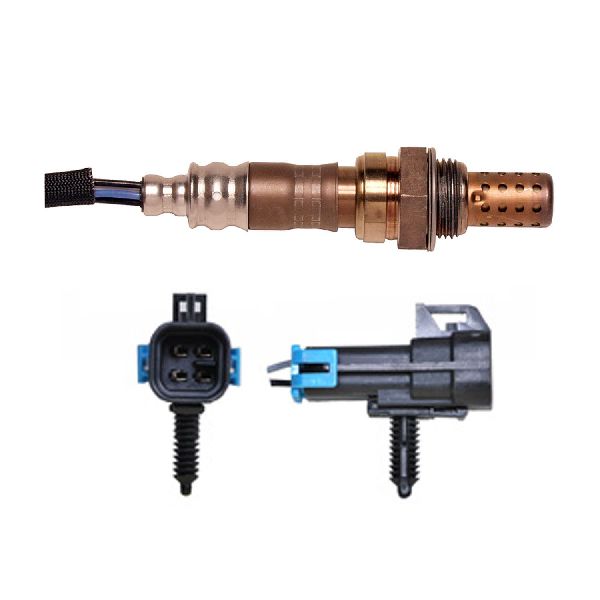
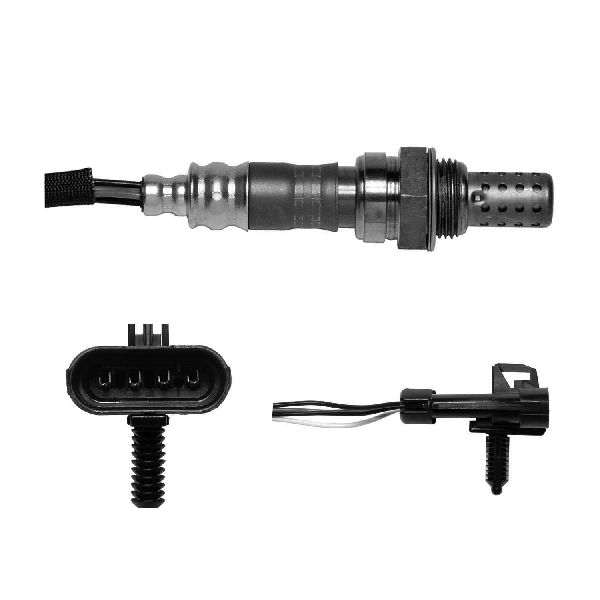
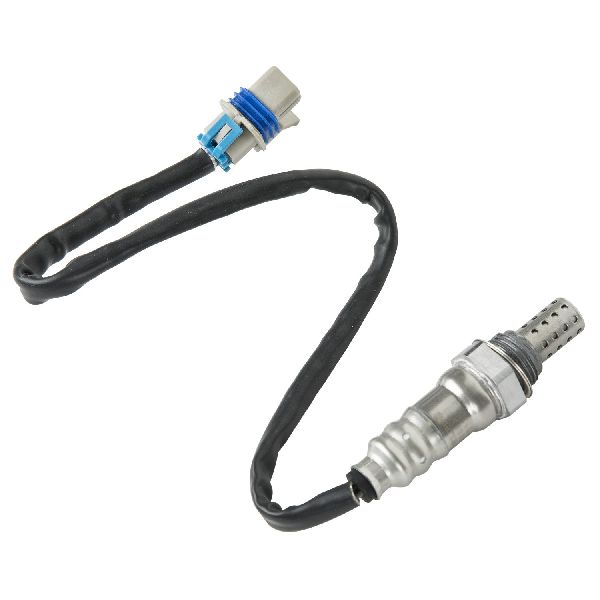
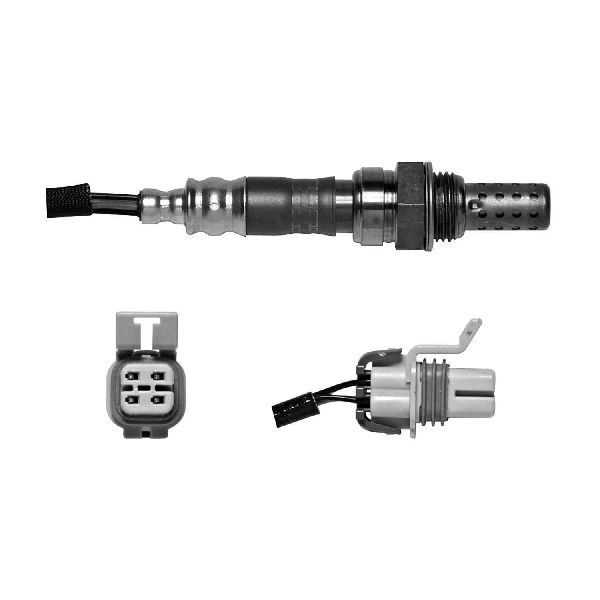
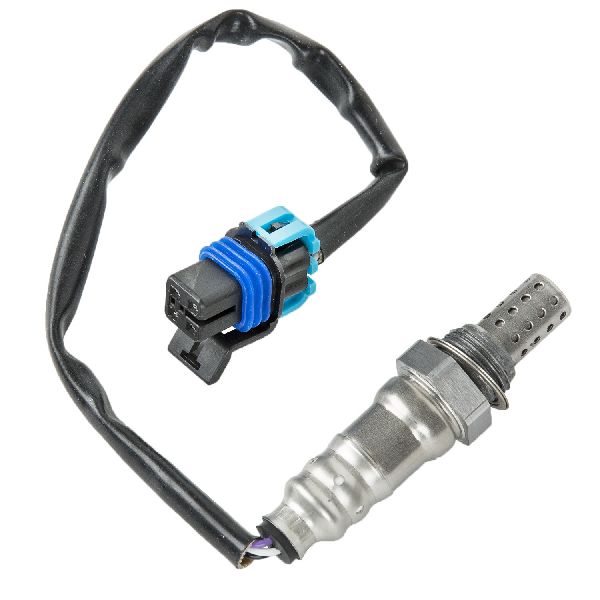
Your van uses heated, 4-wire oxygen sensors. The thread size is typically M18-1.50. Upstream and downstream sensors are different and must be ordered for the correct location.
We Have This Part in Stock


The information in this article is provided for general reference and educational purposes only. Vehicle specifications, procedures, and part compatibility can vary by production date, trim level, and region. Always consult your vehicle's factory service manual and verify part numbers before purchasing or performing repairs. Safety-critical components such as airbags, seat belts, and braking systems should be installed by a qualified professional.
- Chevrolet Express 2500: