

Guide to the 1996-2005 Chevrolet Blazer Throttle Position Sensor
Solve common engine problems like rough idle, hesitation, and poor shifting by understanding and choosing the right throttle position sensor for your Blazer.
- A bad TPS can cause symptoms that mimic a failing transmission; check the sensor first if you have hard shifts.
- This is an easy DIY replacement, typically requiring only a T20 Torx driver and less than 30 minutes.
- For best results, choose OEM-grade brands like ACDelco or Delphi; cheaper parts are known to fail prematurely.
- No adjustment is needed after installation, but disconnecting the battery to reset the ECU is recommended.
Symptoms of a Failing Throttle Position Sensor
When the TPS in your Blazer starts to fail, it can cause a range of problems that might seem unrelated. Because the sensor's signal is critical for both engine and transmission control, a bad TPS can mimic other issues. Watch out for these common symptoms:
- Check Engine Light: A failing TPS will often trigger the 'Service Engine Soon' light and store diagnostic trouble codes like P0121, P0122, or P0123.
- Poor Idle Quality: Your engine might idle too high, too low, or surge up and down unpredictably.
- Hesitation and Stumbling: You may notice a delay or stumble when you press the gas pedal. In some cases, the engine might feel like it's about to stall when you accelerate.
- Hard Shifting or Incorrect Shift Points: A bad TPS signal can confuse the transmission controller, leading to harsh shifts, especially from 1st to 2nd gear, or delayed shifting.
- Reduced Power and Poor Fuel Economy: If the computer doesn't know the correct throttle position, it can't manage the engine efficiently, leading to a loss of power and more trips to the gas station.
Don't Mistake it for a Transmission Problem
Many Blazer owners have chased what they thought were expensive transmission issues, only to find the root cause was a cheap and easy-to-replace throttle position sensor. If you're experiencing hard shifts or erratic gear changes, consider inspecting the TPS first.
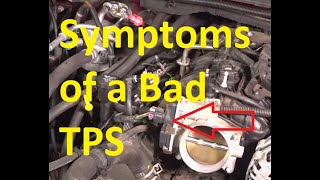
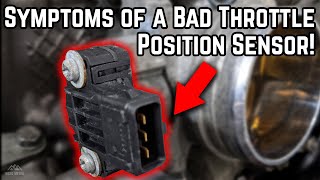
🎬 See a visual breakdown of common bad TPS symptoms.Choosing the Right Aftermarket TPS
When it comes to sensors for these trucks, quality matters. While you can save money with budget parts, forum discussions among Blazer owners often show that cheap sensors can be faulty right out of the box or fail quickly. It's often worth spending a little more for a reputable brand to avoid doing the job twice.
Brand Quality Tiers
Based on owner feedback and brand reputation, here’s how the available brands generally stack up for your Blazer:
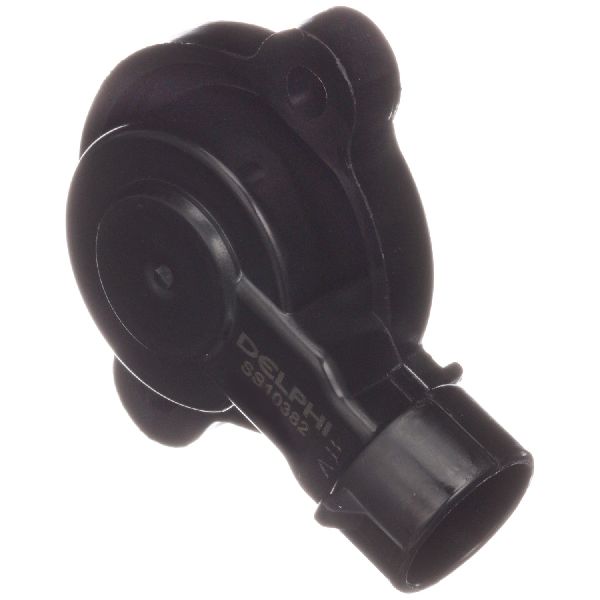
- OEM & Premium Aftermarket (Best Quality): ACDelco and Delphi are the top choices. Delphi was a frequent original equipment manufacturer for GM, so their parts are considered a direct equivalent to the factory sensor. These brands are trusted for their reliability and correct performance.
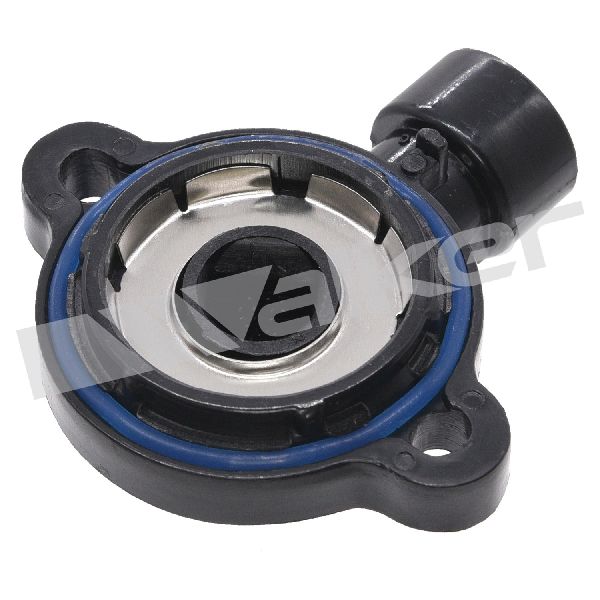
- Quality Aftermarket (Good Quality): Brands like NGK (NTK), Standard Motor Products (SMP), and Walker Products are well-regarded in the aftermarket. They often provide quality comparable to OEM at a lower price point. Many professional technicians trust these brands.
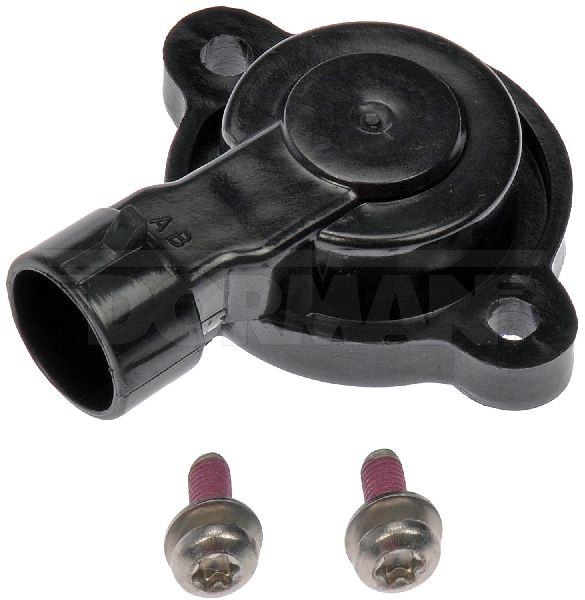
- Standard/Economy (Varies): Brands like Dorman and other private labels fall into this category. While some users have success, others report a higher rate of premature failure or incorrect readings out of the box. These are budget-friendly but can be a gamble on longevity.
Check the Connector
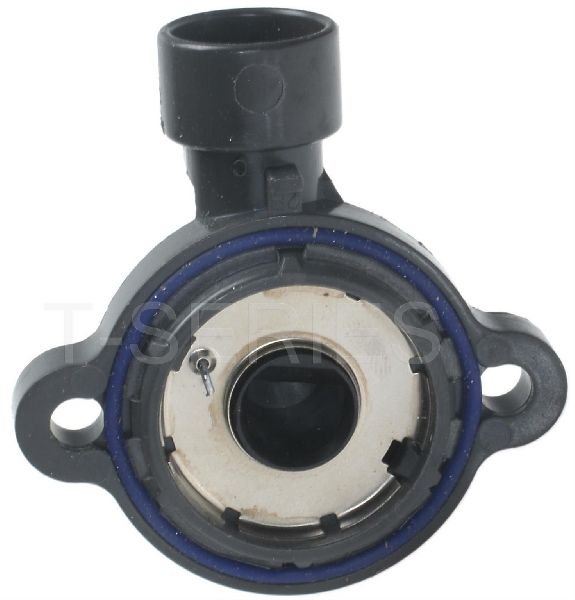
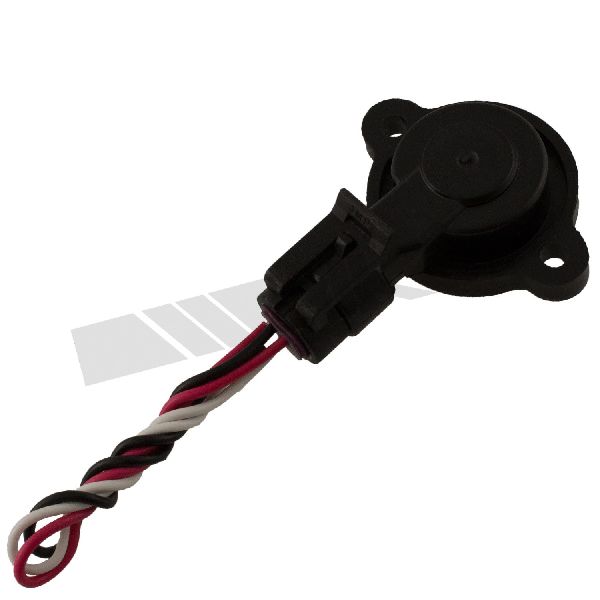
Before ordering, it's a good idea to look at the TPS on your Blazer. Note the shape of the electrical connector to ensure your new part is an exact match. While most 1996-2005 models with the 4.3L V6 use the same sensor, verifying can save you a return trip.
Cost of Replacing a Throttle Position Sensor
| Part Type | Estimated Cost |
|---|---|
| New Aftermarket TPS | $25 - $72 |
| Shop Labor | $50 - $100 |
| Total (DIY) | $25 - $72 |
| Total (Installed at Shop) | $75 - $172 |
Frequently Asked Questions
Is it hard to replace the TPS on a 1996-2005 Blazer?
No, this is a very beginner-friendly job. The TPS is located on the side of the throttle body and is held on by two T20 Torx screws. The process involves removing the air intake tube for access, unplugging the sensor, swapping it out, and reassembling. It typically takes less than 30 minutes.
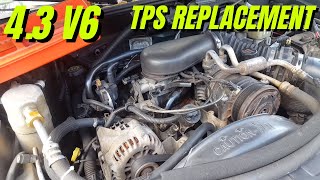
🎬 Watch a step-by-step guide to replacing the TPS yourself.Does the new TPS need to be adjusted or calibrated?
For the 1996-2005 Chevrolet Blazer, the replacement TPS is not adjustable. After installation, it's a good practice to perform a simple relearn procedure by disconnecting the battery for about 15-30 minutes. This allows the engine computer to reset and learn the new sensor's baseline values.
Can I just clean my old Throttle Position Sensor?
No. The TPS is a sealed electronic sensor. The failure is internal wear on a resistive strip, not dirt. Cleaning the outside of the sensor or spraying it with cleaner will not fix the problem and may damage it further. The only solution for a bad TPS is replacement.
Were there any recalls for the Blazer TPS?
No recalls were found for the throttle position sensor on the 1996-2005 Chevrolet S-10 Blazer. There was a special coverage program for later model TrailBlazers with V8 engines, but this does not apply to the S-10 Blazer.
Helpful Videos
Technical Specifications
OEM Part Numbers: 15326388 12608814 213-953 213-4514
Mounts to the throttle body on the 4.3L V6 engine. Typically has a 3-pin electrical connector. The sensor is non-adjustable.
We Have This Part in Stock


The information in this article is provided for general reference and educational purposes only. Vehicle specifications, procedures, and part compatibility can vary by production date, trim level, and region. Always consult your vehicle's factory service manual and verify part numbers before purchasing or performing repairs. Safety-critical components such as airbags, seat belts, and braking systems should be installed by a qualified professional.
- Chevrolet Blazer: