

Guide to Oxygen Sensor Replacement for 1996-2005 Buick LeSabre
Restore your LeSabre's fuel economy and pass emissions by understanding and replacing your O2 sensors.
- Your LeSabre has two O2 sensors: one upstream for fuel control (Sensor 1) and one downstream for catalyst monitoring (Sensor 2).
- A bad O2 sensor will trigger the Check Engine Light with codes like P0135 or P0141 and cause poor MPG.
- For best results, use an OEM-grade brand like ACDelco or Denso, especially for the upstream sensor.
- Replacement is a feasible DIY job, but a special O2 sensor socket is essential and the old sensor may be difficult to remove.
Understanding Oxygen Sensor Failure in Your LeSabre

Oxygen sensors are critical components that wear out over time due to the harsh conditions in the exhaust system. When they fail, they can no longer provide accurate information to the engine computer, leading to a range of performance issues. Ignoring a failing O2 sensor can result in poor gas mileage, a rough-running engine, and ultimately, damage to your catalytic converter, which is a much more expensive repair.
Check Engine Light? Don't Ignore It.
The most common sign of a bad oxygen sensor is an illuminated Check Engine Light. Common trouble codes for the 1996-2005 LeSabre include P0135 (Upstream Heater Circuit Malfunction) and P0141 (Downstream Heater Circuit Malfunction) 🎬 Watch this guide on diagnosing and fixing the P0141 code., which point directly to a failed heater element inside the sensor.
Choosing the Right Aftermarket Oxygen Sensor

When replacing O2 sensors on your LeSabre, the brand you choose matters. While many options are available, sticking with brands known for their quality and compatibility with GM vehicles will save you headaches.
- Premium Tier (OEM Quality): ACDelco is the original equipment manufacturer (OEM) for your Buick. Choosing ACDelco ensures a perfect fit and performance as designed by GM. Denso and NGK (NTK) are also top-tier brands, often supplying parts to major automakers and known for their reliability and precision. Many mechanics and experienced owners consider them equal to, or even better than, OEM in some cases.
- Mid-Tier (Reliable Aftermarket): Bosch invented the oxygen sensor and is a massive global supplier. While a very reputable brand, some forum discussions suggest that for certain GM applications, sticking with ACDelco or Denso might provide more consistent results, as Bosch sensors can sometimes have minor calibration differences. However, they are generally a solid and reliable choice.
- Standard/Economy Tier: Brands like Delphi, Walker Products, Spectra, DriveWire, and Vemo offer a more budget-friendly option. These sensors will get the job done and can be a good choice if cost is the primary concern, but their long-term durability and precision might not match the premium brands.
Pro Tip: For the critical upstream sensor (Bank 1, Sensor 1), it is highly recommended to use a premium brand like ACDelco or Denso to ensure your engine receives the most accurate air/fuel ratio information for optimal performance and fuel economy.
Cost of Replacing a Buick LeSabre Oxygen Sensor
The cost can vary depending on the brand of the part and local labor rates. Your LeSabre has two sensors, and they can be replaced individually.
| Item | Estimated Cost |
|---|---|
| New Aftermarket O2 Sensor (Part Only) | $33 - $107 |
| New OEM (ACDelco) O2 Sensor (Part Only) | $60 - $160 |
| Shop Labor | $50 - $75 per sensor |
| Total Professional Replacement (per sensor) | $145 - $231 |
Frequently Asked Questions (FAQ)

How many oxygen sensors does my 1996-2005 LeSabre have?
Your Buick LeSabre with the 3.8L V6 engine has two oxygen sensors. One is located upstream (before the catalytic converter) and the other is downstream (after the catalytic converter).
What is the difference between an upstream and a downstream sensor?
The upstream sensor (Bank 1, Sensor 1) is the primary sensor used for fuel control. The downstream sensor (Bank 1, Sensor 2) mainly monitors the catalytic converter's health. They are not interchangeable, so be sure to order the correct one for the specific location.
Can I replace just one oxygen sensor?
Yes. You only need to replace the sensor that has failed. The trouble code from an OBD-II scanner will tell you which sensor is bad (e.g., P0135 for Sensor 1, P0141 for Sensor 2).
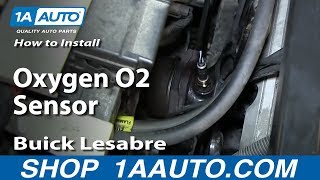
Is replacing an O2 sensor a DIY job? 🎬 See how to replace the O2 sensor on your LeSabre.
Yes, for many home mechanics it is. The main challenge is that the old sensor can be seized in the exhaust pipe due to rust and heat cycles. Using plenty of penetrating oil and a special O2 sensor socket (a 7/8" or 22mm socket with a slit for the wire) is highly recommended. If the sensor is stubborn, you may need a breaker bar for extra leverage.
Are there any recalls or common issues for LeSabre O2 sensors?
There are no specific recalls for oxygen sensors on the 1996-2005 Buick LeSabre, as they are considered a standard wear-and-tear item. However, GM has issued technical service bulletins (TSBs) for other vehicles where fluid leaks (like power steering fluid) can drip onto the sensor wiring, causing sensor failure. Always check for oil or fluid leaks above the sensor location when diagnosing a problem.
Helpful Videos

Technical Specifications
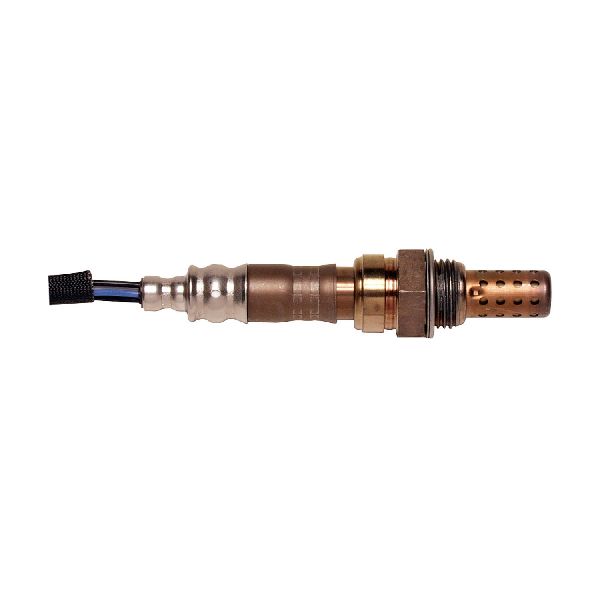
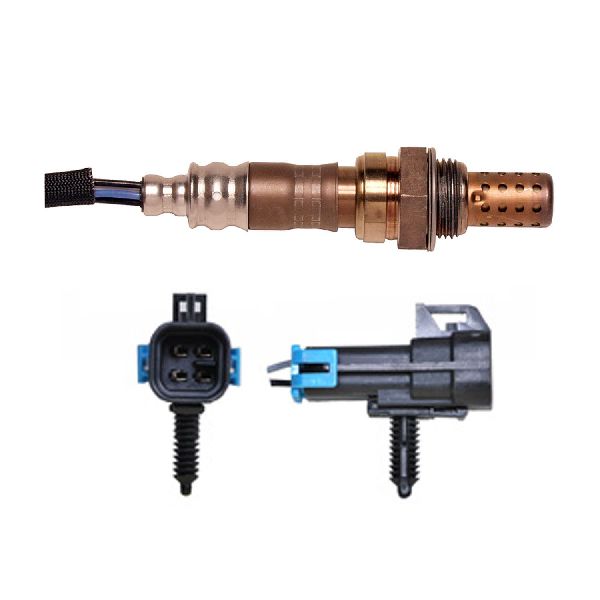
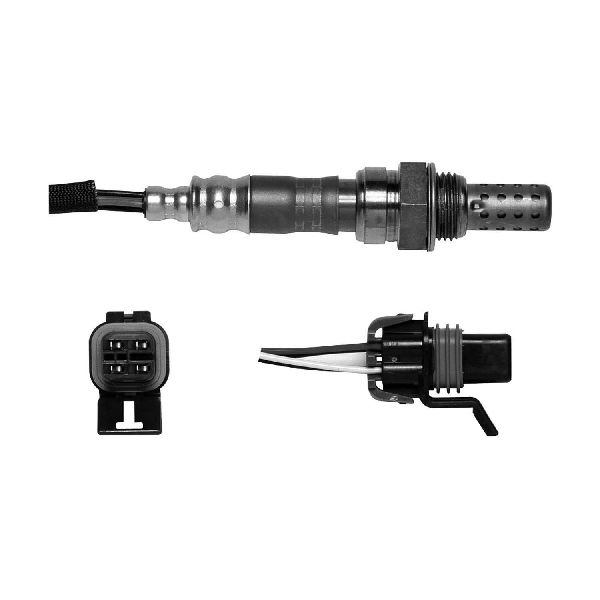
OEM Part Numbers: 19178924 19209807 19178958 AFS109
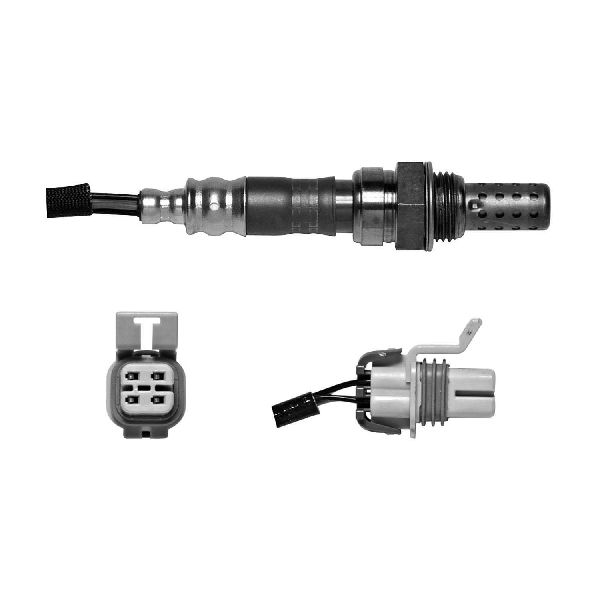
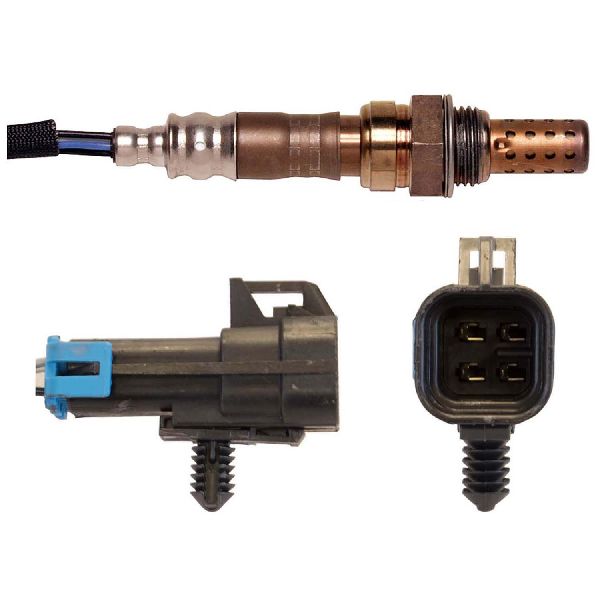
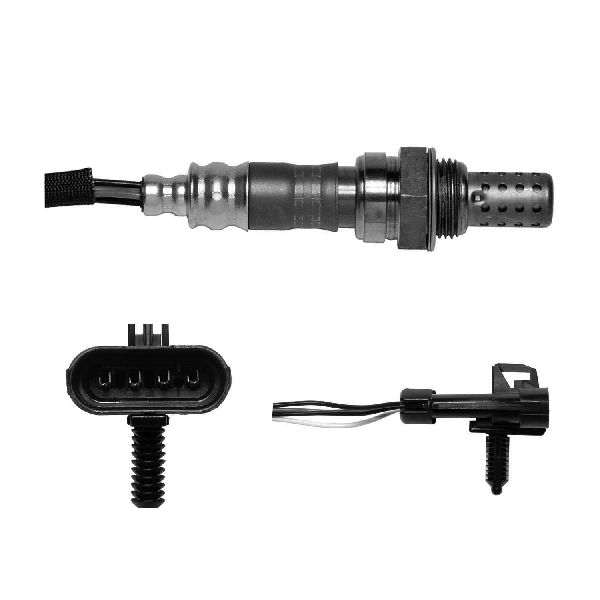
Your 1996-2005 LeSabre uses heated, 4-wire oxygen sensors. The thread size is M18x1.5. Ensure you purchase the correct sensor (upstream or downstream) as they have different wire harness lengths and are not interchangeable.
We Have This Part in Stock

The information in this article is provided for general reference and educational purposes only. Vehicle specifications, procedures, and part compatibility can vary by production date, trim level, and region. Always consult your vehicle's factory service manual and verify part numbers before purchasing or performing repairs. Safety-critical components such as airbags, seat belts, and braking systems should be installed by a qualified professional.
- Buick LeSabre: