

Freightliner FL112 (1996-2004) Radiator Coolant Hose Replacement and Diagnosis
Keep your FL112's engine cool and prevent costly breakdowns by understanding how to choose and replace your radiator hoses.
- A failed radiator hose will cause your engine to overheat, risking catastrophic damage; do not drive with a known bad hose.
- For this truck, high-quality aftermarket brands like Gates, Dayco, and Continental are reliable and cost-effective choices.
- Always replace hose clamps when installing new hoses to ensure a proper, leak-free seal.
- As a best practice, replace all radiator hoses at the same time, not just the one that failed.
Signs of a Failing Radiator Hose
On a workhorse like the FL112, radiator hoses are under constant stress from heat, pressure, and vibration. Over time, the rubber breaks down. It's critical to catch the warning signs before a hose fails completely and leaves you stranded on the road. Check your hoses regularly for these symptoms.
- Coolant Leaks: This is the most obvious sign. You may find puddles of green, orange, or pink fluid under the front of your truck. You might also see white, crusty residue near the hose connections or smell a sweet odor after the engine has been running.
- Visible Hose Damage: Look for cracks, splits, or abrasions on the hose surface. A hose that is bulging or swelling is a major red flag, as it means the internal structure is failing and it could burst at any moment.
- Spongy or Hard Hoses: When the engine is cool, squeeze the hoses. A healthy hose should be firm but flexible. If it feels rock-hard, brittle, or mushy and soft, it needs to be replaced.
- Engine Overheating: If your temperature gauge suddenly climbs into the red, a collapsed or leaking hose could be the culprit. A collapsed hose can restrict coolant flow even if it isn't actively leaking.
Don't Ignore the Signs
A complete hose failure will cause a rapid loss of all engine coolant. This leads to severe engine overheating, which can result in catastrophic damage like a warped cylinder head or a seized engine, turning a small repair into a major overhaul.
Choosing the Right Aftermarket Hose
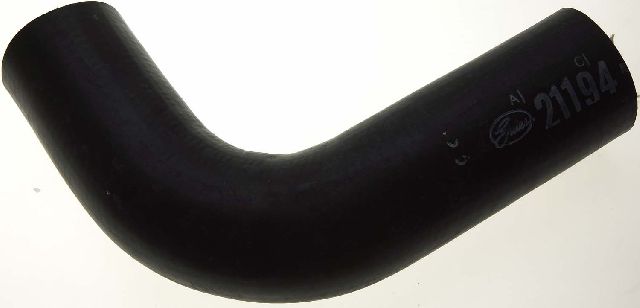
For a 1996-2004 Freightliner FL112, the original OEM hoses may be discontinued or hard to find. High-quality aftermarket parts are the standard for this repair. For a part this critical, it is best to stick with proven, reputable brands. Avoid generic, unbranded "white-box" hoses, as the low cost is not worth the high risk of failure and potential engine damage.
Brand Quality Tiers
- Tier 1 (Recommended): Gates is widely seen by mechanics as a top-tier brand for hoses, often meeting or exceeding OEM specifications. They are known for excellent durability and correct fitment right out of the box.
- Tier 2 (Solid Choices): Dayco and Continental are also well-respected brands that produce reliable, quality radiator hoses made from durable EPDM rubber. While some users note that Gates can sometimes offer a slightly better fit, many professional shops use Dayco and Continental without hesitation.
Replace Hoses and Clamps Together
If one radiator hose has failed from age, the others are likely near the end of their life too. It is smart preventative maintenance to replace the upper hose, lower hose, and any bypass hoses at the same time. Always use new hose clamps. Many mechanics prefer constant-tension spring clamps, as they maintain consistent pressure as the hose expands and contracts with temperature changes.
Estimated Replacement Costs
The cost to replace a radiator hose on your FL112 will vary based on who does the work. The parts themselves are affordable, but labor can add to the total cost.
| Item | Estimated Cost |
|---|---|
| New Aftermarket Hoses (Set) | $33.56 - $130.77 |
| Shop Labor | $150 - $300 |
| Total Professional Replacement | $185 - $431 |
Frequently Asked Questions (FAQ)
Are there any recalls for FL112 radiator hoses?
No. Searches of the National Highway Traffic Safety Administration (NHTSA) database show no safety recalls or technical service bulletins (TSBs) for radiator coolant hoses on the 1996-2004 Freightliner FL112. Any failures are considered normal wear and tear.
How often should I replace my radiator hoses?
There is no universal schedule, but a good practice is to inspect them at every oil change and plan to replace them every 5-7 years or around 100,000 miles as preventative maintenance. If you just bought the truck and don't know their age, replacing them is a wise investment.
Can I use a universal "flex" hose?
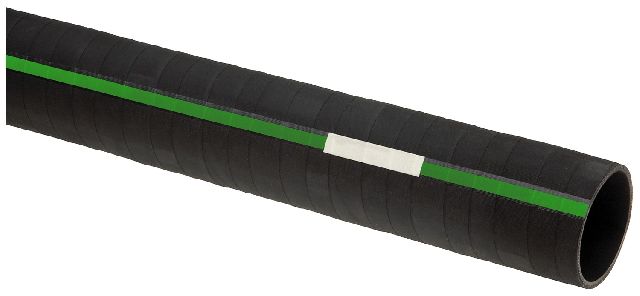
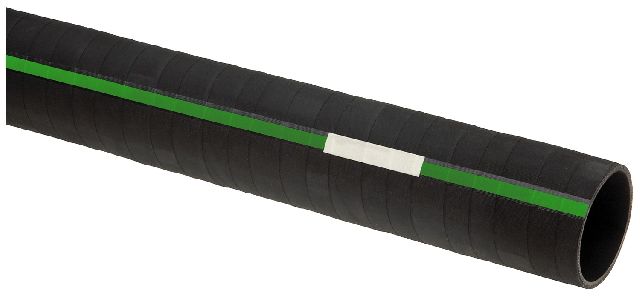
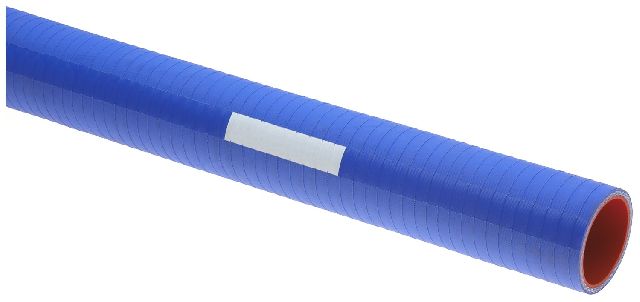
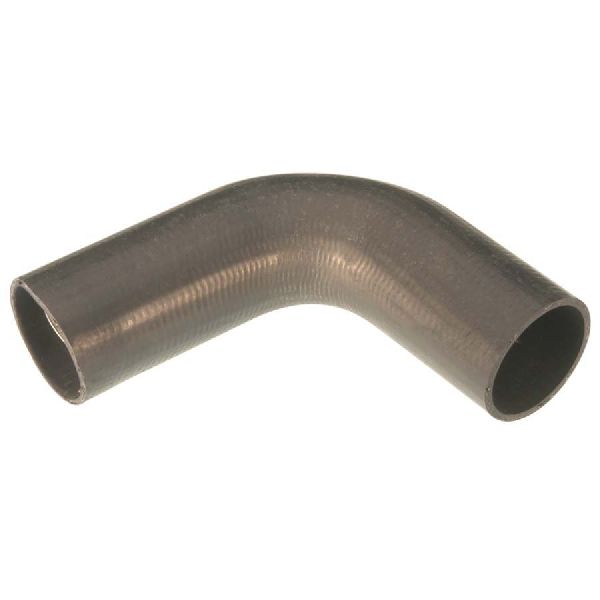
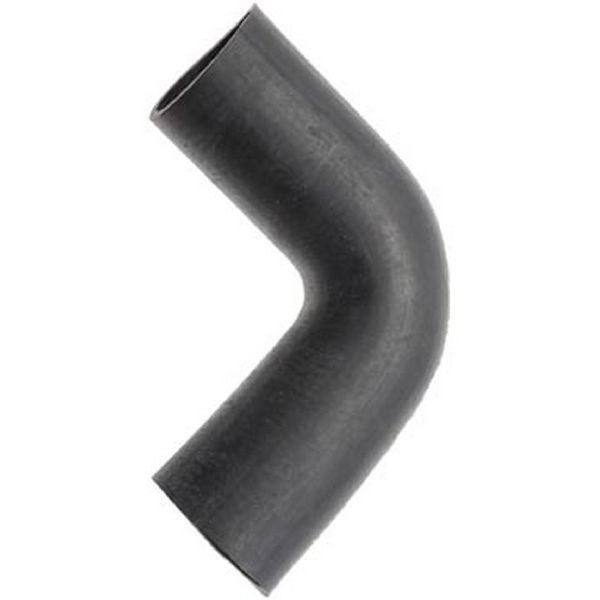
It is not recommended. Universal or flexible hoses can kink or collapse, restricting coolant flow. Always use pre-molded hoses designed specifically for your FL112 to ensure correct fitment and prevent rubbing against other engine parts.
What else should I check when replacing the hoses?
When replacing hoses, it's a perfect time to inspect the entire cooling system. Check the condition of the radiator, water pump, and thermostat. This is also the best time to perform a coolant flush and refill the system with fresh, clean coolant. Contaminated coolant can cause new hoses to fail prematurely.
Technical Specifications
Hoses are typically made of EPDM rubber to resist heat, chemicals, and ozone. They are pre-molded to fit the specific engine and chassis configuration of the FL112.
We Have This Part in Stock

The information in this article is provided for general reference and educational purposes only. Vehicle specifications, procedures, and part compatibility can vary by production date, trim level, and region. Always consult your vehicle's factory service manual and verify part numbers before purchasing or performing repairs. Safety-critical components such as airbags, seat belts, and braking systems should be installed by a qualified professional.
- Freightliner FL112: