

A Practical Guide to Oxygen Sensors for the 1996-2004 Audi A4 Quattro
Fix that check engine light and improve your gas mileage by choosing the right oxygen sensor for your Audi.
- The Check Engine Light, poor gas mileage, and rough idling are common signs of a failing oxygen sensor.
- Bosch is the OEM supplier for Audi; using Bosch, Denso, or NGK/NTK sensors is strongly recommended for reliability.
- You must use the correct sensor for the specific position (upstream/downstream) and engine type (1.8T/V6).
- A special 22mm oxygen sensor socket is required for removal and installation.
Understanding Oxygen Sensor Failure in Your A4
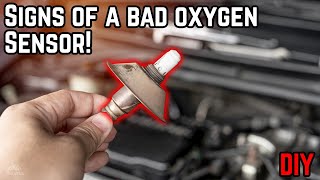
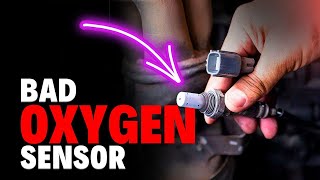
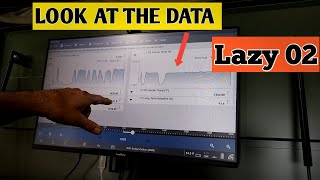
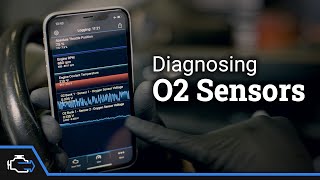
The oxygen sensor is a critical component for keeping your Audi running efficiently. When it fails, the engine's computer receives incorrect information, which can lead to a host of problems. The most common sign of failure is the check engine light turning on. You might also notice your car is using more gas than usual, the engine idles roughly, or it feels less powerful when you accelerate. In some cases, you may smell a 'rotten egg' odor from the exhaust. 🎬 Watch: Learn more about common symptoms and troubleshooting steps. These sensors don't last forever and typically need replacement after 60,000 to 90,000 miles due to age and contamination from engine deposits.
Choosing the Right Aftermarket Oxygen Sensor
When shopping for a new oxygen sensor, it's crucial to get the right one for your specific engine (1.8T, 2.8L V6, or 3.0L V6) and for the correct position (upstream or downstream). Using the wrong part can cause continued problems. While many brands are available, they fall into different quality tiers.
Brand Quality Tiers
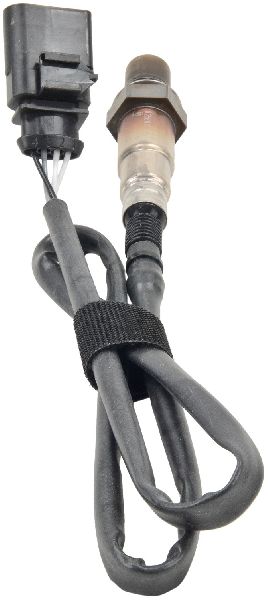
- OEM-Equivalent Brands: Bosch is the original manufacturer for Audi's oxygen sensors. Choosing Bosch is the safest bet for a direct, reliable replacement. NGK (NTK) and Denso are also top-tier brands that supply parts to major automakers and are known for their high quality and reliability. For a hassle-free repair, sticking with one of these three brands is highly recommended by Audi owners and mechanics.
- Quality Aftermarket Brands: Brands like Delphi and Hella generally offer good quality parts that meet or exceed OE specifications and are a solid choice if you are looking for an alternative to the top-tier brands.
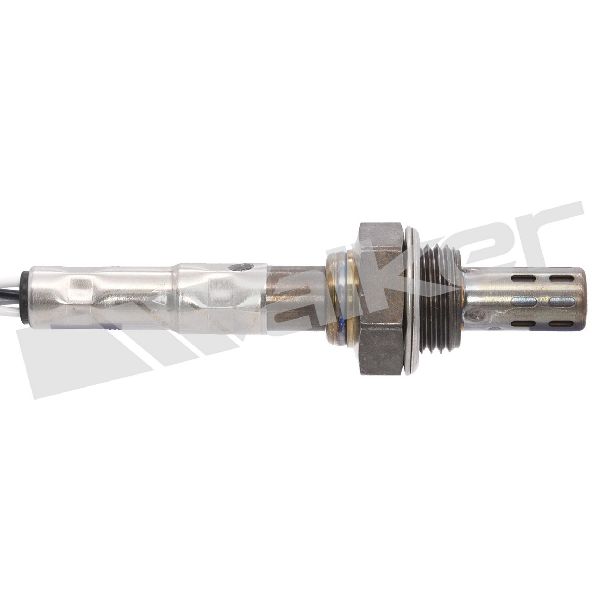
- Economy Brands: Brands such as DriveWire, Walker Products, and Facet offer a more budget-friendly option. While they can work, they may not have the same longevity or perfect fit as the higher-tiered brands. Be aware that using economy parts can sometimes lead to persistent check engine lights or a shorter service life.
An Important Note on Universal Sensors
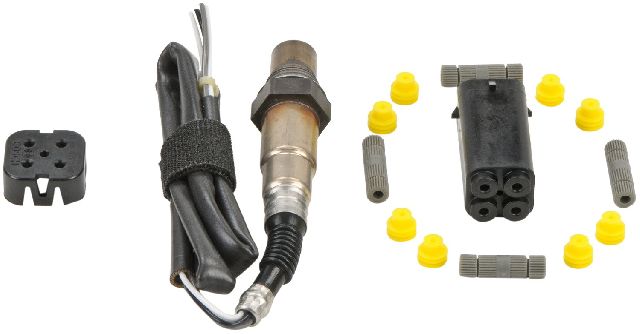
You may see 'universal' oxygen sensors that require you to cut and splice wires to fit your car's connector. While cheaper, these are not recommended for your Audi A4. Improper connections can lead to incorrect sensor readings and create more problems than they solve. Always choose a direct-fit sensor with the correct plug for your vehicle.
Typical Replacement Costs
The cost can vary based on the brand you choose and whether you do the work yourself or hire a professional.
| Item | Estimated Cost |
|---|---|
| Aftermarket Oxygen Sensor (Part) | $40 - $200 |
| Shop Labor | $100 - $250 per sensor |
| Total Professional Replacement | $140 - $450 per sensor |
Note: Labor costs can be higher for sensors that are difficult to access, particularly on V6 models or if the old sensor is seized in the exhaust pipe.
Frequently Asked Questions
How many oxygen sensors does my 1996-2004 A4 Quattro have?
It depends on your engine. Four-cylinder (1.8T) models typically have two sensors. V6 models (2.8L, 3.0L) have a dual exhaust system and will have four sensors – two upstream and two downstream.
What is the difference between an upstream and downstream sensor?
The upstream sensor (Sensor 1) is located before the catalytic converter and is the primary sensor used by the engine computer to manage the air-fuel ratio. The downstream sensor (Sensor 2) is located after the catalytic converter and its main job is to monitor the converter's efficiency. They are not interchangeable.
Can I replace just the one bad sensor?
Yes. You only need to replace the sensor that has failed. However, oxygen sensors on the same car have been exposed to the same conditions. If one has failed due to high mileage, the others may not be far behind. Some mechanics recommend replacing them in pairs (e.g., both upstream sensors on a V6) for more balanced engine performance.
What tools do I need to replace an oxygen sensor?
You will need a special 22mm oxygen sensor socket, which has a slot cut out for the wire. You will also likely need a ratchet, extensions, and penetrating oil to help loosen the old sensor, as they are often seized in the exhaust pipe. A torque wrench is needed to tighten the new sensor correctly.
How hard is it to replace an O2 sensor on my A4?
The difficulty varies greatly. On the 1.8T engine, the upstream sensor is fairly easy to access from the top of the engine. 🎬 See this walkthrough for replacing the 1.8T oxygen sensor. However, the downstream sensor on the 1.8T and most sensors on the V6 models can be very difficult to reach, often requiring work from underneath the car. 🎬 Watch: How to replace the downstream sensor on V6 models. The biggest challenge is often breaking the old sensor free without damaging the exhaust threads.
Helpful Videos
Technical Specifications
Varies by engine (1.8T, 2.8L, 3.0L) and position (Upstream/Front or Downstream/Rear). Direct-fit connector is essential. Thread size is typically M18x1.5.
We Have This Part in Stock

The information in this article is provided for general reference and educational purposes only. Vehicle specifications, procedures, and part compatibility can vary by production date, trim level, and region. Always consult your vehicle's factory service manual and verify part numbers before purchasing or performing repairs. Safety-critical components such as airbags, seat belts, and braking systems should be installed by a qualified professional.
- Audi A4 Quattro: