

Acura RL 1996-2004 Oxygen Sensor: A Guide to Replacement
Understanding when and how to replace the oxygen sensors in your first-generation Acura RL to restore performance and fuel economy.
- Your 1996-2004 RL has three O2 sensors: two upstream (critical for fuel trim) and one downstream (monitors catalyst).
- Denso is the original OEM brand and is highly recommended for best performance and reliability.
- Avoid universal-fit sensors and be cautious with brands like Bosch, as many owners report issues on Acura vehicles.
- A failing O2 sensor will cause a check engine light, poor fuel economy, and rough running, and can damage the catalytic converter if ignored.
Symptoms of a Failing Oxygen Sensor in Your Acura RL
When an oxygen sensor starts to fail, your car's computer can't get the right information about the air-fuel mixture. This can cause several noticeable problems. The most common sign is the Check Engine Light illuminating on your dashboard. You may also experience a significant drop in fuel economy, a rough or unstable idle, and general engine performance issues like hesitation or misfires, especially under acceleration. In some cases, you might smell a 'rotten egg' odor from the exhaust, which indicates the catalytic converter is struggling due to the incorrect fuel mixture. Ignoring these symptoms can lead to more expensive repairs, including damage to your catalytic converter.
Check Engine Light Codes
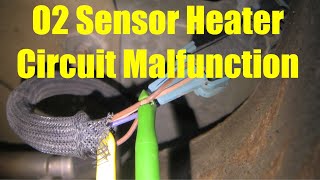
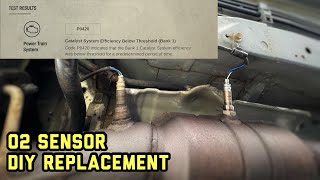
Common trouble codes associated with oxygen sensor failure include P0130-P0167. A code reader can help you identify which specific sensor is reporting an issue. For example, codes P0135 or P0155 often point to a failure in the sensor's internal heater circuit.
🎬 Watch this guide to diagnosing and fixing heater circuit codes.Choosing the Right Aftermarket Oxygen Sensor
For the 1996-2004 Acura RL, the original equipment manufacturer (OEM) for oxygen sensors is Denso. When replacing your sensors, choosing the right brand is critical for performance and to avoid recurring check engine lights.
- Tier 1 (Recommended): Denso & NGK (NTK)
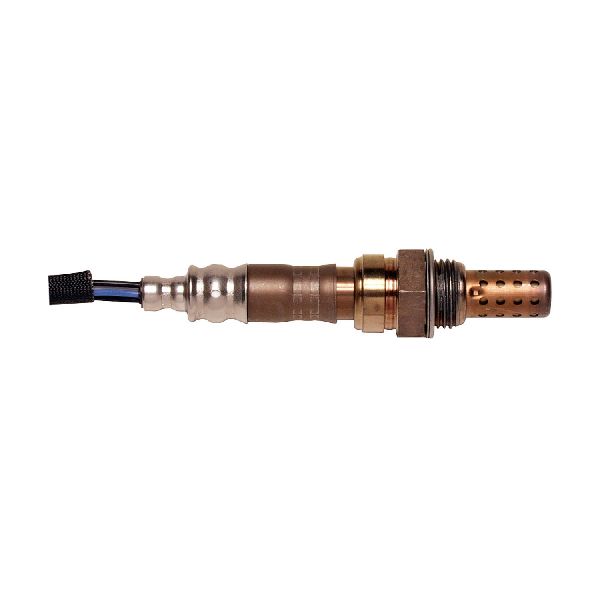
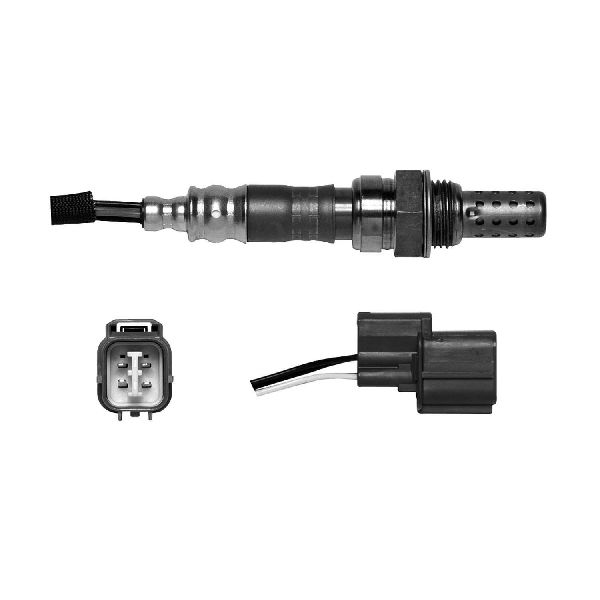
These are the top choices. Denso is the original part manufacturer, ensuring a perfect fit, correct electrical response, and long life. NGK (also sold under the NTK brand) is another highly reputable OEM supplier for Japanese vehicles and is an excellent alternative. Both offer 'direct-fit' sensors with the correct plugs, so no cutting or splicing is required. - Tier 2 (Use with Caution): Bosch, Delphi, Walker Products
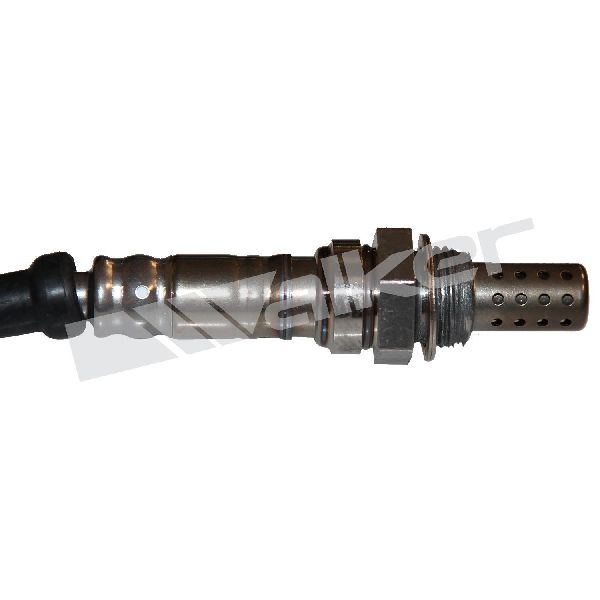
While brands like Bosch are well-known, many Acura owners report issues with their universal and even some direct-fit sensors, leading to performance problems or premature failure. It's generally recommended to avoid Bosch for this specific application. Delphi and Walker are established aftermarket brands, but for critical components like upstream O2 sensors, sticking to the OEM brand is a safer bet. - Tier 3 (Budget): DriveWire, Spectra
These brands offer the lowest price point. They may be a temporary solution, especially for the less critical downstream sensor. However, their longevity and electronic precision may not match that of Denso or NGK, potentially causing issues down the line. For the small price difference, most owners recommend investing in a Tier 1 brand.
Direct-Fit vs. Universal Sensors
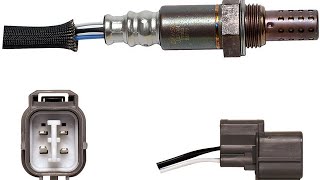
Always choose a 'direct-fit' sensor for your RL. These come with the correct wiring harness and connector for a simple plug-and-play installation. Universal sensors are cheaper but require you to cut the old connector off and splice it onto the new sensor. This can introduce a point of failure and is not recommended.
Oxygen Sensor Locations & Replacement Cost
Your Acura RL has three oxygen sensors: two upstream and one downstream.
| Sensor Location | Part Cost (Aftermarket) | Estimated Labor Cost | Notes |
|---|---|---|---|
| Upstream, Bank 1 (Passenger Side) | $45 - $160 | $50 - $100 | Fairly easy to access in the engine bay. | 🎬 See how to replace the upstream sensors on your V6.
| Upstream, Bank 2 (Driver Side) | $45 - $160 | $50 - $100 | Fairly easy to access in the engine bay. |
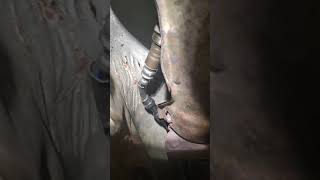
| Downstream (Post-Catalytic Converter) | $30 - $120 | $100 - $180 | Sensor is under the car; connector is inside the cabin under the passenger carpet 🎬 Watch a quick walkthrough for replacing the downstream sensor., making it more difficult. |
Costs are estimates and may vary based on your location and choice of parts. The provided inventory price range is $25.48 - $183.54.
Frequently Asked Questions (FAQ)
How many oxygen sensors does my 1996-2004 Acura RL have?
Your RL has three oxygen sensors: one upstream sensor on each exhaust manifold (Bank 1/passenger side and Bank 2/driver side) and one downstream sensor located after the catalytic converter.
Which brand of oxygen sensor is best for my Acura RL?
Denso is the original equipment manufacturer (OEM) and is the most recommended brand for reliability and performance. NGK (NTK) is also a highly trusted OEM-quality alternative. It is best to avoid universal sensors and budget brands for this vehicle.
Can I replace just one oxygen sensor?
Yes. You only need to replace the sensor that has failed, which can be identified using a code reader. However, O2 sensors age over time. If your vehicle has high mileage (over 100,000 miles), it's sometimes a good practice to replace the upstream sensors as a pair to ensure balanced engine performance.
Is replacing an O2 sensor a DIY job?
For a moderately skilled DIY mechanic, yes. The two upstream sensors are accessible in the engine bay. The downstream sensor is more difficult because the sensor is under the car and its electrical connector is inside the cabin. A special tool called an oxygen sensor socket is highly recommended to avoid damaging the new sensor and to easily remove the old one, which can be seized from heat cycles.
Helpful Videos

Technical Specifications
OEM Part Numbers: 36531-P5G-003 36531-P5A-A01 36532-P5A-A01 36535-P5G-A01
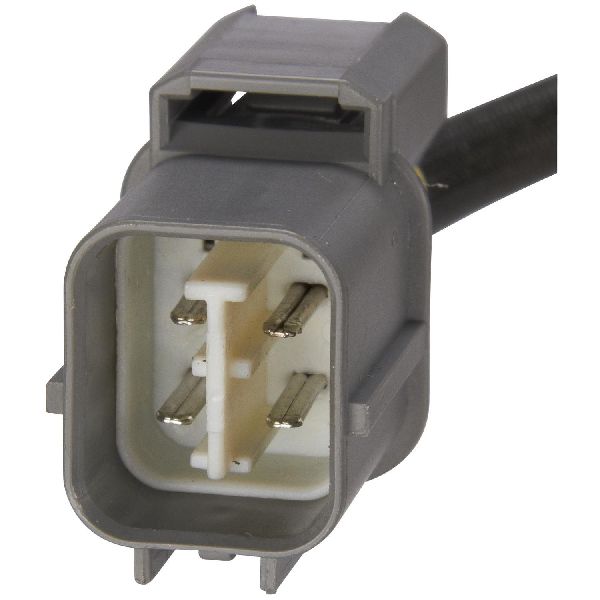
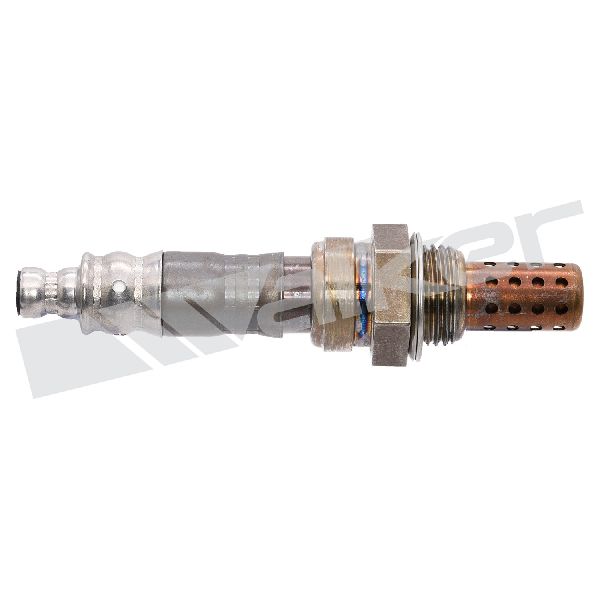
The system uses three 4-wire heated oxygen sensors. Two upstream sensors are located on the exhaust manifolds and one downstream sensor is located after the catalytic converter.
We Have This Part in Stock


The information in this article is provided for general reference and educational purposes only. Vehicle specifications, procedures, and part compatibility can vary by production date, trim level, and region. Always consult your vehicle's factory service manual and verify part numbers before purchasing or performing repairs. Safety-critical components such as airbags, seat belts, and braking systems should be installed by a qualified professional.
- Acura RL: