

Engine Timing Belt Replacement Guide for 1996-2003 Toyota 4Runner
Everything V6 4Runner owners need to know about choosing the right aftermarket timing belt to prevent engine trouble.
- This service is only for the 3.4L V6 engine; the 4-cylinder has a timing chain.
- Replace the timing belt every 90,000 miles or 7-10 years to avoid being stranded.
- Always buy a complete kit including the water pump, tensioner, and idlers.
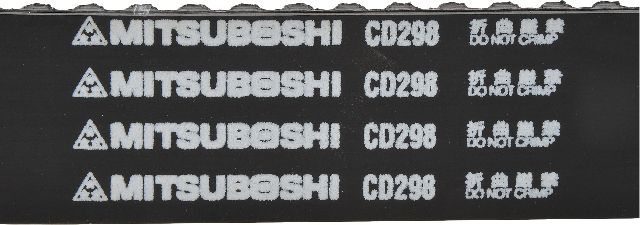
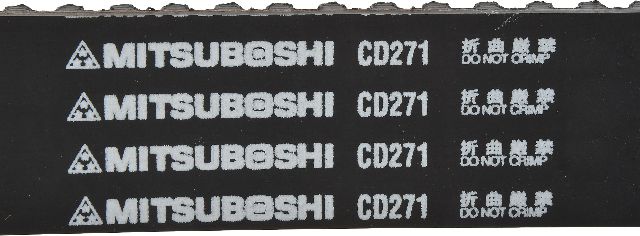
- Choose kits from OEM suppliers like Aisin, Mitsuboshi, or Bando for the best quality and reliability.
Is This For My 4Runner?

This information is specifically for the 3.4L V6 (5VZ-FE) engine found in 1996-2003 Toyota 4Runners. If you have the 2.7L 4-cylinder engine, your vehicle has a timing chain and this guide does not apply.
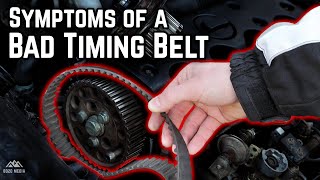
Symptoms of a Failing Timing Belt


A timing belt often fails without much warning, which is why sticking to the replacement schedule is so important. However, there are a few signs that may indicate your belt or its related components are wearing out.
- Ticking or Rattling Noise: A rhythmic ticking or rattling sound from the front of the engine can be a sign that the belt is worn or the tensioner is failing.
- Engine Misfires: If the belt stretches and slips a tooth, it can throw off the engine timing, leading to rough running, misfires, and a check engine light.
- Engine Won't Start: If the belt breaks completely, the engine will crank but will not start. You might hear the starter motor spinning faster than usual.
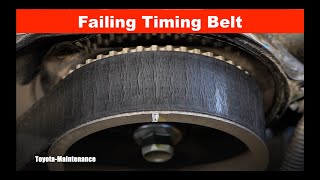
- Oil Leak from Front of Engine: Leaks from the timing cover area can indicate failing camshaft or crankshaft seals. Oil contamination can rapidly degrade the timing belt, leading to premature failure. 🎬 See a breakdown of the top 4 timing belt symptoms.
Non-Interference Engine, But Still a Risk
The 3.4L 5VZ-FE is a non-interference engine. This means that if the timing belt snaps, the pistons and valves are not supposed to collide. While this saves you from a destroyed engine, a broken belt will still shut the engine down immediately, leaving you stranded without warning. Don't risk it.
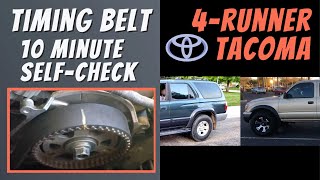
🎬 Watch: How to check your timing belt condition yourself.Choosing the Right Aftermarket Timing Belt

For a critical part like this, brand quality matters. Many aftermarket brands are the original equipment manufacturers (OEM) for Toyota, offering the same quality without the dealership price tag. It is highly recommended to purchase a complete kit that includes the belt, water pump, tensioner, and idler pulleys.
Brand Quality Tiers for Toyota 4Runner
- OEM Supplier Quality (Best Choice): These brands manufacture parts for Toyota directly. An Aisin kit will often contain a Mitsuboshi belt and Koyo bearings, all of which are OEM suppliers. You can trust these for factory-level performance and durability.
- Mitsuboshi: A known OEM belt supplier for Toyota.
- Bando: Another high-quality OEM supplier for many Japanese vehicles.
- Top-Tier Aftermarket: These brands are globally recognized for quality and are a reliable choice if an OEM supplier kit is not available.
- Gates: A very reputable brand in the aftermarket, though some users prefer the feel and fit of OEM supplier belts.
- Continental (ContiTech): A major OEM supplier for European brands, known for high-quality rubber and belt construction.
- Standard Aftermarket: These brands can be a good value, but quality can be more variable. For a critical job like the timing belt, sticking to the top tiers is recommended.
- Dayco: Known for a unique Kevlar-reinforced design, but some find their belts stiff and harder to install.
- ACDelco: A well-known general parts brand offering reliable components.
- Cloyes: More known for timing chains, but they produce belt kits as well. Reviews can be mixed, so it's often safer to stick with a brand that specializes in belts for Japanese vehicles.
Always Buy a Complete Kit
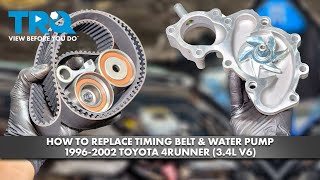
The water pump, tensioner, and idler pulleys have a similar service life to the timing belt. Since replacing the belt requires removing all these components anyway, replacing them at the same time saves you from having to pay for the same labor-intensive job twice. Look for kits from brands like Aisin, which bundle all the necessary OEM-quality parts together.
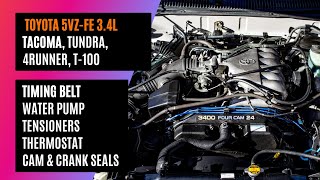
🎬 Watch this complete step-by-step timing belt and seal replacement guide.Cost of Replacing a 1996-2003 4Runner Timing Belt
| Part/Service | Estimated Cost |
|---|---|
| Aftermarket Timing Belt Kit (Belt, Water Pump, Pulleys) | $150 - $350 |
| OEM Timing Belt Kit (From Dealer) | $319 - $519 |
| Shop Labor | $365 - $536 |
| Total Professional Job | $684 - $1,054 |
Frequently Asked Questions (FAQ)
When should I replace the timing belt on my 4Runner?
The recommended replacement interval for the 3.4L V6 (5VZ-FE) engine is every 90,000 miles or every 7-10 years, whichever comes first. The rubber belt degrades over time, so age is just as important as mileage.
What other parts should I replace with the timing belt?
You should always replace the water pump, the hydraulic tensioner, and the idler pulleys. These parts are accessible during the timing belt service and have a similar lifespan. Replacing them as a kit prevents future failures and saves on labor costs. It's also a good time to inspect the accessory drive belts and camshaft/crankshaft seals for leaks.
Is the 3.4L V6 an interference engine?
No, the 3.4L 5VZ-FE engine is a non-interference engine. This means if the belt breaks, the valves and pistons should not collide, which typically prevents catastrophic engine damage. However, the engine will stop running immediately, which is a major safety risk.
Does the 4-cylinder 1996-2002 4Runner have a timing belt?
No, the 2.7L 3RZ-FE 4-cylinder engine used in this generation of 4Runner has a timing chain, which is designed to last the life of the engine and does not have a scheduled replacement interval.
Helpful Videos

Technical Specifications
OEM Part Numbers: 13568-YZZ03 13568-69095
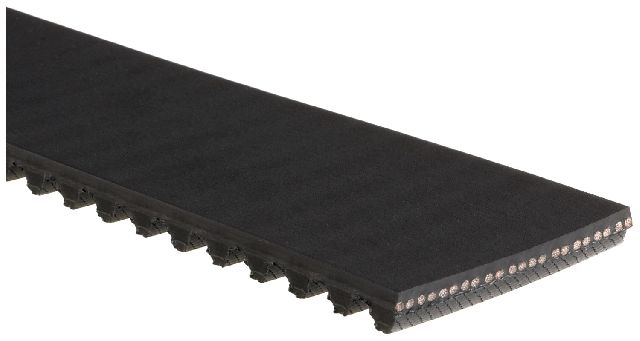
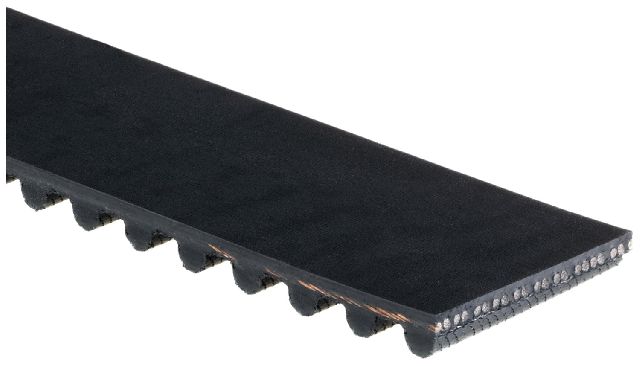
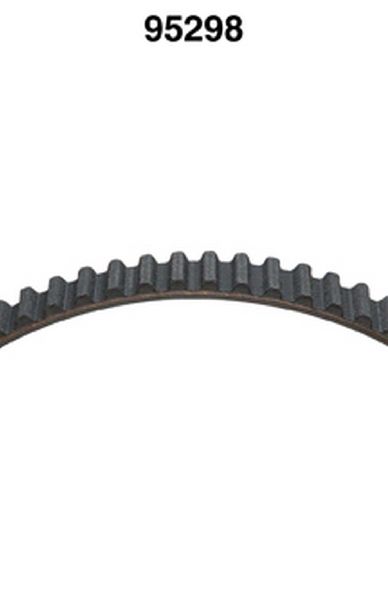
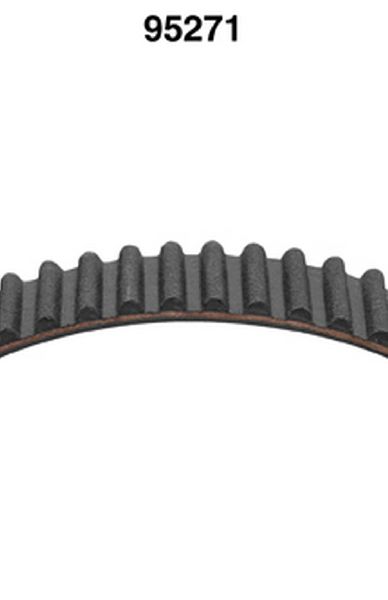
Belt Tooth Count: 191
We Have This Part in Stock

The information in this article is provided for general reference and educational purposes only. Vehicle specifications, procedures, and part compatibility can vary by production date, trim level, and region. Always consult your vehicle's factory service manual and verify part numbers before purchasing or performing repairs. Safety-critical components such as airbags, seat belts, and braking systems should be installed by a qualified professional.
- Toyota 4Runner: