

Toyota 4Runner Camshaft Position Sensor Guide (1996-2003)
Is your 3rd Gen 4Runner running rough, stalling, or refusing to start? Your camshaft position sensor could be the problem.
- The most common symptom is a P0340 check engine code combined with a hard-starting or no-start condition.
- For a reliable, long-lasting repair, choose a sensor from Denso (the OEM supplier) or a trusted brand like Beck Arnley.
- Replacement is simple and accessible for DIYers, typically requiring only basic hand tools and about 30 minutes.
- On the popular 3.4L V6, the sensor is located on the driver's side cylinder head, behind the timing cover.
Understanding Camshaft Position Sensor Failure in Your 4Runner

The camshaft position sensor in the 3rd Generation Toyota 4Runner, whether equipped with the 3.4L V6 (5VZ-FE) or the 2.7L 4-Cylinder (3RZ-FE), is a common failure point as these vehicles age. This sensor lives in a high-heat engine environment and after decades of service, its internal electronics can fail. When it does, it can no longer send a clear signal to the engine computer, causing symptoms that can be alarming but are often straightforward to diagnose and fix.
Common Symptoms of a Failing Camshaft Sensor

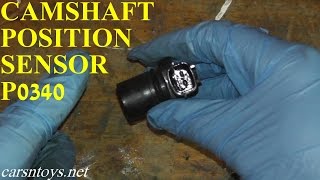
A bad camshaft position sensor will almost always trigger the Check Engine Light and store a diagnostic trouble code. The most common code associated with this failure is P0340 (Camshaft Position Sensor "A" Circuit Malfunction). You might experience one or more of the following symptoms:
- Difficulty Starting: The engine may crank for a long time before it starts, or it may not start at all.
- Engine Stalling: The engine might suddenly shut off while driving, especially at low speeds or when coming to a stop.
- Rough Idle: Your 4Runner may shake or vibrate when idling at a stoplight.
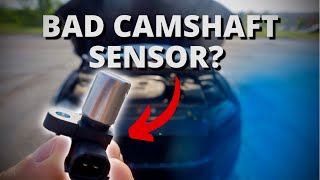
- Poor Acceleration: The vehicle may feel sluggish and lack power when you press the gas pedal. 🎬 Watch: A visual guide to common bad camshaft sensor symptoms.
- Reduced Fuel Economy: Because the engine isn't running efficiently, you may notice you're filling up the gas tank more often.
Is It the Cam or Crank Sensor?
Symptoms of a failing camshaft position sensor can be very similar to those of a failing crankshaft position sensor. The P0340 code specifically points to the cam sensor circuit, but it's important to properly diagnose the issue before replacing parts. In some cases, wiring issues can also cause this code.
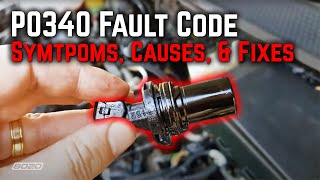
🎬 See how to diagnose and fix the P0340 trouble code.Choosing the Right Aftermarket Camshaft Sensor

When it comes to engine sensors for a Toyota, quality matters. While many brands are available, they generally fall into three tiers for your 4Runner.
- OEM Supplier (Best Choice): Denso is the Original Equipment Manufacturer for Toyota. Choosing a Denso sensor is the closest you can get to buying the part from a Toyota dealership, often at a lower price. It guarantees original fit, function, and longevity.
- Quality Aftermarket (Good Choice): Brands like Beck Arnley, NGK/NTK, and Delphi have a strong reputation. Beck Arnley is known for often sourcing parts from the original OEM suppliers, so you might even find a Denso sensor in their box. These brands offer a good balance of quality and price.
- Budget Aftermarket (Use with Caution): Brands like Dorman, Spectra, or other lower-priced options can be a gamble. While they may work initially, forum discussions and mechanic experiences suggest they have a higher failure rate than OEM or premium aftermarket brands. They might be a temporary fix, but for a critical sensor like this, it's often worth spending more for a reliable part.
Cost of Replacing the Camshaft Position Sensor
| Part Type | Estimated Cost |
|---|---|
| New OEM (Dealer) | $150 - $280 |
| New Aftermarket (Denso/Premium) | $70 - $110 |
| New Aftermarket (Budget) | $27 - $65 |
| Shop Labor | $75 - $150 |
Pro Tip: Check the O-Ring
The sensor is sealed to the engine with a small rubber O-ring. Most new sensors will include one. Always use the new O-ring and apply a small amount of clean engine oil or silicone paste to it before installation to ensure a good seal and prevent leaks.
Frequently Asked Questions (FAQ)

Where is the camshaft position sensor located on a 1996-2003 4Runner?
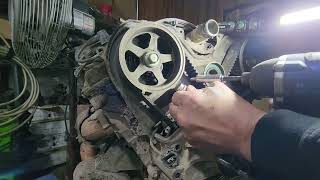
On the 3.4L V6 (5VZ-FE) engine, the sensor is located on the front of the driver's side cylinder head. You will need to remove the plastic timing belt cover on that side to access it. It is held in by a single 10mm bolt. 🎬 Watch: Step-by-step removal and installation for the 3.4L engine. On the 2.7L 4-Cylinder (3RZ-FE), it is typically located on the valve cover, near the back of the cylinder head.
Can I replace this sensor myself?
Yes, this is a very DIY-friendly job for most home mechanics. The replacement involves removing a plastic cover, unplugging the electrical connector, and removing one 10mm bolt. No special tools are required beyond basic hand tools.
Are there any recalls for the camshaft position sensor on this 4Runner?
No. Searches of the National Highway Traffic Safety Administration (NHTSA) database show no safety recalls or technical service bulletins (TSBs) specifically for the camshaft position sensor on the 1996-2003 Toyota 4Runner.
Should I buy a genuine Toyota part or an aftermarket one?
For this part, the best value is an aftermarket sensor from Denso, who is the original manufacturer for Toyota. This gives you OEM quality without the dealership price tag. If Denso is unavailable, Beck Arnley is another trusted option.
Helpful Videos
Technical Specifications
OEM Part Numbers: 19300-62010 (For 3.4L V6 5VZ-FE) 90919-05021 (For 3.4L V6 5VZ-FE) 90919-05007 (For 2.7L I4 3RZ-FE)
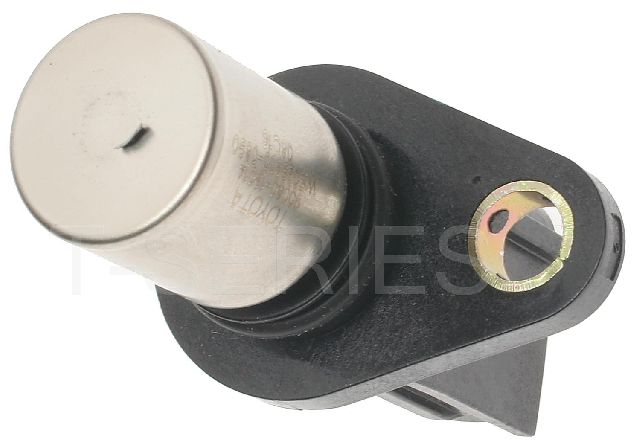
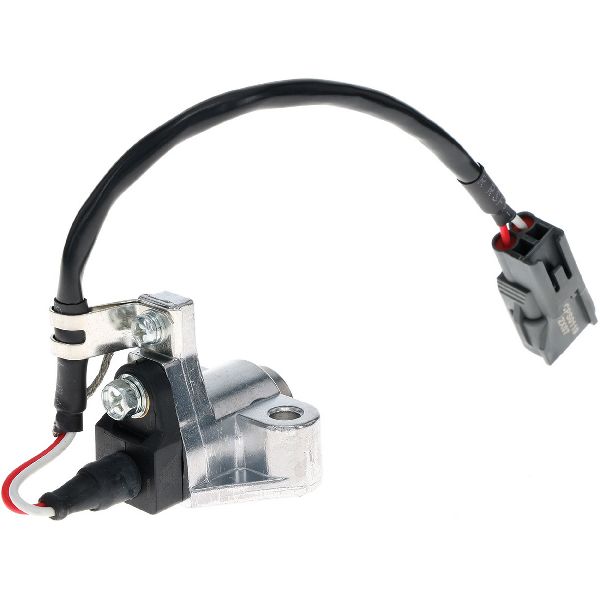
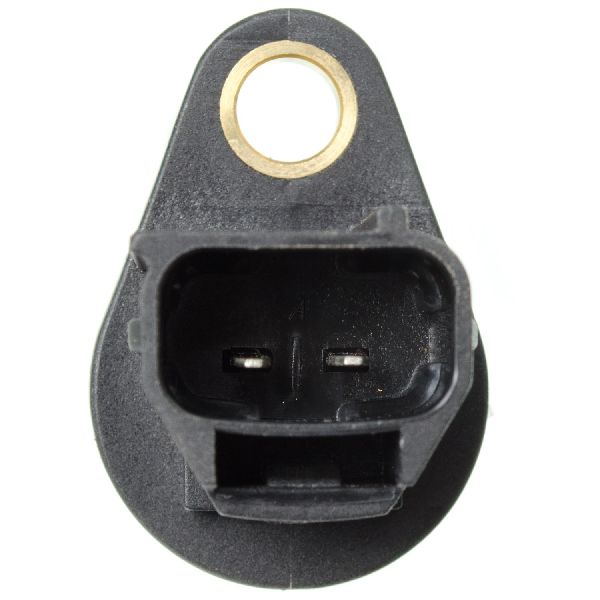
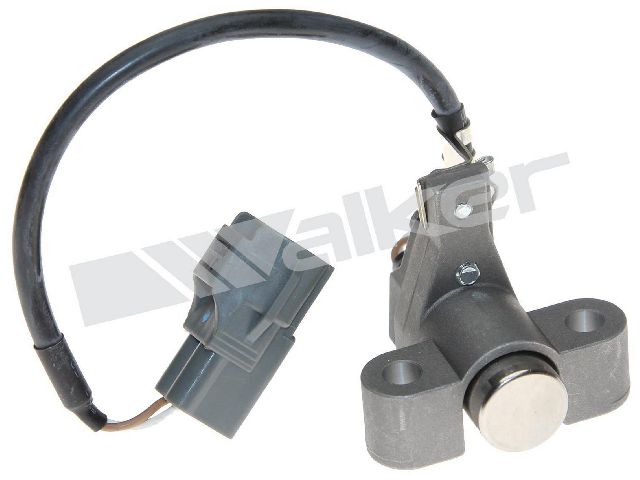
The camshaft position sensor for this generation 4Runner is a magnetic pickup type sensor. It has a single bolt mounting point and a 2-pin electrical connector. It works by reading a reluctor tooth on the camshaft gear to determine its position.
We Have This Part in Stock


The information in this article is provided for general reference and educational purposes only. Vehicle specifications, procedures, and part compatibility can vary by production date, trim level, and region. Always consult your vehicle's factory service manual and verify part numbers before purchasing or performing repairs. Safety-critical components such as airbags, seat belts, and braking systems should be installed by a qualified professional.
- Toyota 4Runner: