

Toyota 4Runner Suspension Strut Guide for 1996-2001 Models
Everything you need to know about replacing the front struts on your 3rd Generation 4Runner.
- Always replace front struts in pairs to maintain vehicle stability.
- A four-wheel alignment is mandatory immediately after strut replacement to prevent tire damage.
- For safety, strongly consider replacing the front lower ball joints with OEM parts at the same time.
- Choosing a complete strut assembly ('quick strut') makes the job safer and easier for DIY replacement.
Is Your 4Runner's Ride Getting Rough?
As a 3rd Gen 4Runner gets older, the original struts wear out. This happens slowly, so you might not notice it at first. But bad struts can make your truck unsafe and uncomfortable. Look for signs that your struts need to be replaced.
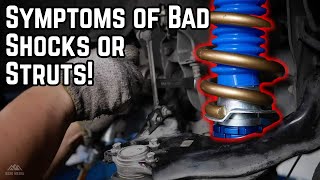
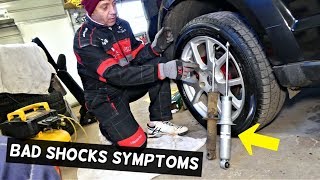
🎬 Watch: A visual guide to identifying these common strut symptoms.Symptoms of Failing Struts
- Bouncy Ride: If your 4Runner keeps bouncing after you hit a bump, the struts are likely worn out. A good strut should stop the bounce after one compression.
- Clunking Noises: Hearing a clunking or knocking sound when you drive over bumps is a common sign of a bad strut or strut mount.
- Nose-Diving and Body Roll: When you brake, does the front of your truck dip down a lot? Or does it feel like it sways too much on turns? These are classic symptoms of worn struts.
- Fluid Leaks: If you see oil leaking down the side of your strut, it means the seals have failed and it needs to be replaced.
- Uneven Tire Wear: Worn struts can cause your tires to bounce, leading to a specific type of wear called "cupping." This looks like high and low spots on the tire tread.
A Critical Safety Note: Lower Ball Joints
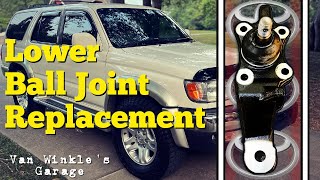
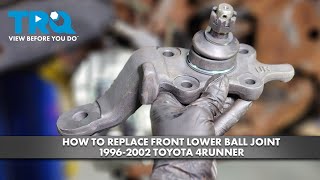
The lower ball joints on the 1996-2001 4Runner are a known weak point and can fail suddenly. Since you will have the suspension apart to replace the struts, it is highly recommended that you replace the lower ball joints at the same time. 🎬 See this step-by-step walkthrough for replacing your lower ball joints. Use only high-quality or OEM parts for this critical component.
Choosing the Right Aftermarket Struts
You don't need to buy expensive OEM parts for your older 4Runner. Many aftermarket brands offer excellent quality, often better than the original parts. Here’s a breakdown of popular choices.
Brand Tiers for 1996-2001 4Runner
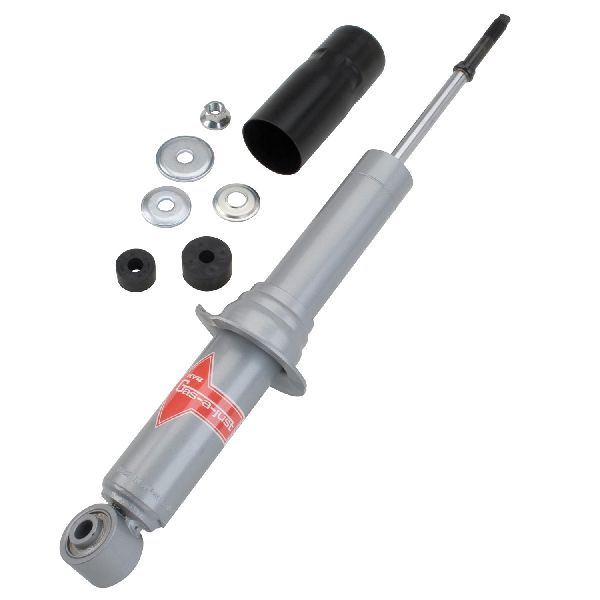
- OEM-Quality Replacements (Good): Brands like KYB are often considered the standard for a high-quality replacement. The KYB Gas-a-Just offers a ride that is similar to or slightly firmer than stock, making it a great all-around choice.
- Budget-Friendly Options (Value): FCS and Monroe offer complete strut assemblies (called "quick struts") that are easy to install and affordable. FCS is generally seen as a budget option that provides a softer-than-OEM ride. Monroe is a well-known brand, but some professional mechanics have noted inconsistent quality. These are best for drivers who prioritize a low price for daily driving.
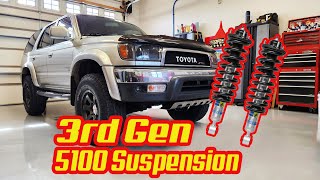
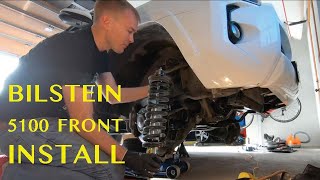
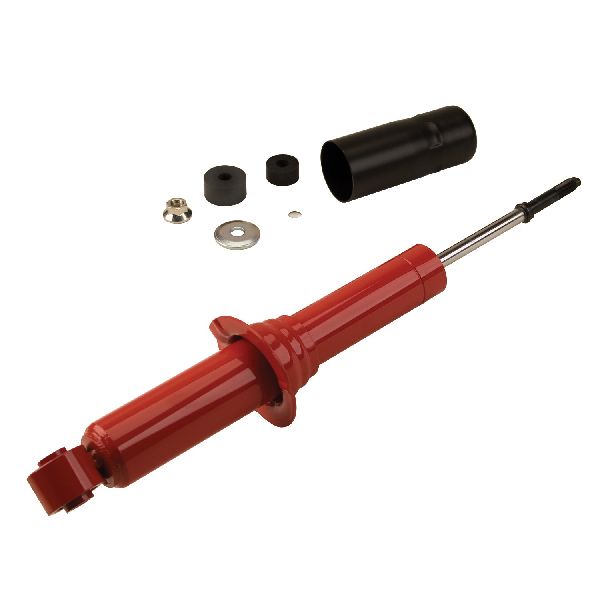
- Performance & Off-Road (Better/Best): Rancho and Bilstein are popular choices for truck owners who want better performance, especially for off-roading or carrying heavy loads. Rancho offers adjustable shocks like the RS9000XL, allowing you to change the firmness. Bilstein 5100s are a very popular upgrade for the 3rd Gen 4Runner, providing improved handling and control both on and off-road.
Pro Tip: Complete Strut Assemblies
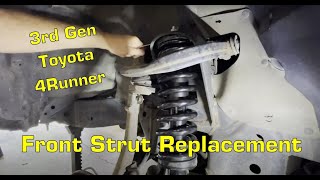
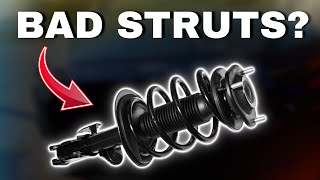
For an easier and safer installation, choose a complete strut assembly, also known as a "loaded" or "quick" strut. This part comes with the strut, spring, and mount all put together. This means you don't have to use a dangerous spring compressor tool.
🎬 Watch: How to easily install front struts on your 4Runner.Cost to Replace 4Runner Struts
| Part Type | Estimated Cost (Parts Only, for a Pair) |
|---|---|
| Budget Aftermarket (FCS, Monroe) | $80 - $250 |
| OEM-Quality Aftermarket (KYB) | $150 - $350 |
| Performance/Off-Road (Rancho, Bilstein) | $250 - $500+ |
| Shop Labor | $295 - $433 |
Note: Prices are estimates and can vary. Labor costs are for replacing both front struts. An alignment is also required after replacement.
Frequently Asked Questions
Do I have to replace struts in pairs?
Yes, you must always replace struts on the same axle at the same time (both front or both rear). Replacing only one can cause unstable handling.
Do I need a wheel alignment after replacing my struts?
Yes, a four-wheel alignment is required immediately after replacing front struts. The strut is a key part of the suspension geometry, and replacing it will change your alignment. Skipping this step will cause poor handling and rapid tire wear.
What's the difference between a strut and a shock?
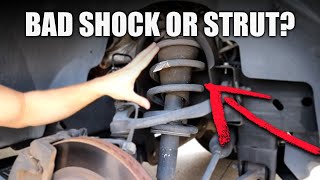
A shock absorber only dampens movement. A strut is a structural part of the suspension that also includes a shock absorber and a spring mount. Your 4Runner has struts in the front and separate shocks and coil springs in the rear.
Are there any recalls on the 1996-2001 4Runner suspension?
There are no recalls for the front struts. However, there was a recall (NHTSA Campaign ID: 02V021000) for the rear suspension on 1996-1998 models to address potential loss of control under heavy loads. Dealers were to replace rear suspension parts.
Helpful Videos
Technical Specifications
OEM Part Numbers: 48510-39406 48510-39405 48510-39426
The front suspension is a coil-over MacPherson strut design. Replacement requires removing the three top mount nuts in the engine bay and the single large bolt connecting the strut to the lower control arm. Torque for the lower bolt is 101 ft-lbs and for the top mount nuts is 47 ft-lbs.
We Have This Part in Stock


The information in this article is provided for general reference and educational purposes only. Vehicle specifications, procedures, and part compatibility can vary by production date, trim level, and region. Always consult your vehicle's factory service manual and verify part numbers before purchasing or performing repairs. Safety-critical components such as airbags, seat belts, and braking systems should be installed by a qualified professional.
- Toyota 4Runner: