

Peterbilt 377 Radiator Coolant Hose Guide for 1996-2001 Models
Keep your engine cool and prevent costly downtime by understanding your radiator hose options.
- A failing radiator hose can quickly lead to critical engine overheating; inspect hoses regularly for leaks, bulges, or cracks.
- Both Gates and Continental are reputable aftermarket brands offering high-quality hoses that are more affordable than OEM parts.
- No specific recalls or TSBs were found for radiator hoses on the 1996-2001 Peterbilt 377, but proactive replacement is key to avoiding failure on a high-mileage work truck.
- Always replace hose clamps with new ones when installing a new hose to ensure a leak-free seal.
Symptoms of a Failing Radiator Hose
A bad radiator hose on your Peterbilt 377 can lead to major engine problems. It's important to spot the signs early. During your pre-trip inspections, keep an eye out for these symptoms:
- Coolant Leaks: Puddles of green, yellow, or blue liquid under your truck are a clear sign of a leak. You might also notice a sweet smell. Leaks often start at the connection points on the radiator or engine.
- Visible Damage: Look for cracks, splits, or soft, spongy spots on the hoses. A swollen or bulging hose is a sign of internal failure and could burst at any time. Oil contamination can also cause the rubber to soften and swell.
- Low Coolant Levels: If you frequently need to top off your coolant, you likely have a slow leak somewhere in the system. The hoses are a common culprit.
- Engine Overheating: If your temperature gauge starts climbing, a collapsed or leaking hose could be the cause. A failed hose can't circulate coolant properly, leading to a rapid increase in engine temperature.
- Hose Connection Issues: Check for rust or a crusty buildup around the hose clamps. This indicates a small, slow leak that has been happening for a while. Also, ensure clamps are tight, as loose clamps can cause leaks under pressure.
Critical Warning: Engine Overheating
If your engine begins to overheat, pull over immediately in a safe location and shut down the engine. Continuing to drive with an overheating engine can cause catastrophic damage, including warped cylinder heads or a seized engine.
Choosing the Right Aftermarket Hose
For the 1996-2001 Peterbilt 377, you don't need to pay dealership prices for a quality radiator hose. Reputable aftermarket brands offer parts that meet or exceed OEM quality for heavy-duty use. The key is choosing a trusted brand.
Brand Quality: Continental vs. Gates
Both Continental and Gates are well-known manufacturers of aftermarket hoses for heavy-duty trucks.
- Gates: Gates is a very popular and trusted brand in the trucking world. They are known for making durable EPDM rubber hoses that are pre-formed for a good fit. Many professional mechanics trust Gates for their reliability and consider them an OEM-quality equivalent.
- Continental: Continental (sometimes branded as ContiTech) is another top-tier choice. Like Gates, they produce high-quality hoses designed to withstand the high temperatures and pressures in a commercial truck engine. Owners report good experiences with Continental, often choosing them based on past reliability.
You can't go wrong with either brand. The best choice often comes down to availability and price at the time of purchase. Both are considered professional-grade options.
Pro Tip: Replace Your Clamps
Always replace your hose clamps when you install a new radiator hose. Old clamps can lose their tension or corrode, leading to leaks even with a new hose. For heavy-duty applications, consider using constant-tension clamps, which help maintain a tight seal as the hose material expands and contracts with temperature changes.
Common Ordering Mistakes
The Peterbilt 377 was available with different engines, primarily from Caterpillar and Cummins. This means the shape and size of the radiator hoses can vary. Before ordering, make sure you know:
- Your truck's exact year (1996-2001).
- The engine manufacturer (e.g., Cat, Cummins).
- Which hose you need (upper or lower).
Using a part number or cross-referencing with your old hose is the best way to ensure you get a perfect fit. An incorrectly shaped hose may kink and restrict coolant flow.
Frequently Asked Questions
How often should I replace my radiator hoses?
There is no strict mileage or time interval. Hoses should be inspected during every oil change and pre-trip inspection. As a general rule for a commercial truck, consider replacing them proactively every 4-5 years or anytime they feel soft, spongy, or show signs of cracking or bulging.
Is it okay to use a universal or flexible hose?
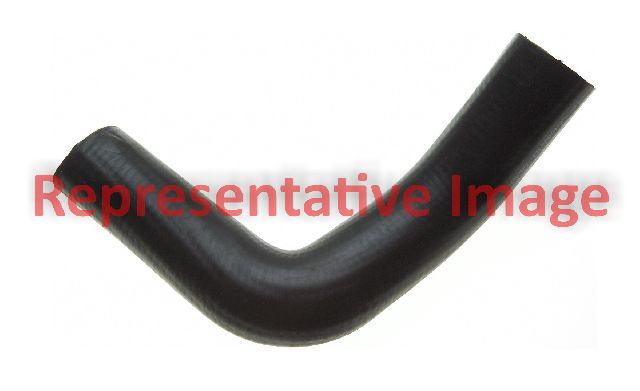
No. For a direct replacement on your Peterbilt 377, you should always use a molded hose. Molded hoses are specifically shaped to fit your truck's engine bay perfectly, ensuring there are no kinks or improper bends that could restrict coolant flow and cause overheating.
What is the difference between an upper and lower radiator hose?
The upper hose carries hot coolant from the engine to the radiator. The lower hose, which often has an internal spring to prevent it from collapsing under the water pump's suction, returns the cooled fluid to the engine. They are not interchangeable.
What causes radiator hoses to fail?
Hoses fail from constant exposure to heat, pressure, and vibration. Oil and chemical contamination can also break down the rubber. Over time, the rubber simply ages, becoming brittle and weak.
Technical Specifications
OEM Part Numbers: 07-06464
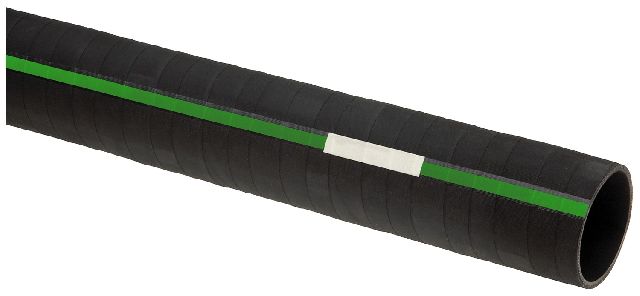
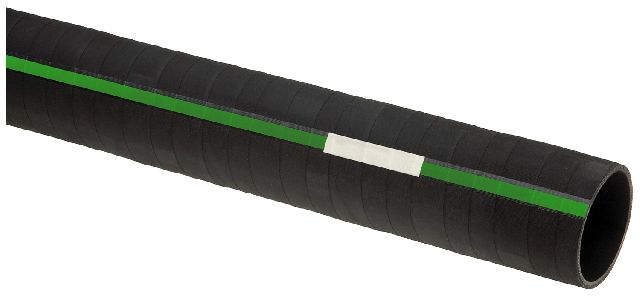
Material: EPDM Rubber; Reinforcement: Knitted Synthetic Fibers; Type: Molded
We Have This Part in Stock

The information in this article is provided for general reference and educational purposes only. Vehicle specifications, procedures, and part compatibility can vary by production date, trim level, and region. Always consult your vehicle's factory service manual and verify part numbers before purchasing or performing repairs. Safety-critical components such as airbags, seat belts, and braking systems should be installed by a qualified professional.
- Peterbilt 377: