

A Honda Mechanic's Guide to the 1996-2001 Civic Crankshaft Position Sensor
Solve stalling, no-start conditions, and Check Engine Light errors related to your Civic's crank sensor.
- A bad crank sensor is a common cause of stalling, no-start issues, and a Check Engine Light with codes P0335 or P0336.
- Replacement is a labor-intensive job, similar to changing a timing belt, and is not recommended for novice mechanics.
- To avoid paying for expensive labor twice, using a high-quality OEM or OEM-supplier (like Denso) sensor is strongly recommended over cheaper aftermarket options.
- The most cost-effective time to replace the sensor is during a timing belt service, as the labor overlaps.
Is a Failing Crankshaft Sensor Causing Your Civic's Problems?

If your 1996-2001 Honda Civic is suddenly stalling, having trouble starting, or running rough, a bad crankshaft position sensor is a common culprit. This sensor is essential for the engine to run, and when it fails, it can cause a range of frustrating and potentially dangerous issues. Because the labor to replace it is intensive, choosing the right replacement part is critical to avoid doing the job twice.
Symptoms of a Bad Crankshaft Position Sensor

A failing CKP sensor usually provides clear warning signs. Here’s what to look for:
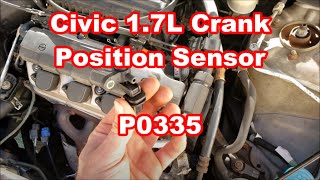
🎬 Watch: A detailed breakdown of bad crank sensor symptoms.- Check Engine Light: This is often the first symptom. The most common trouble codes are P0335 (Crankshaft Position Sensor "A" Circuit Malfunction) and P0336 (Crankshaft Position Sensor "A" Circuit Range/Performance).
- Engine Will Not Start: The engine will turn over (crank), but it won’t fire up. The ECU isn't getting the signal it needs to start the ignition and fuel delivery process.
- Intermittent Stalling: This is a serious safety concern. Your Civic may run fine and then suddenly shut off while driving, especially once the engine is warm.
- Rough Idle and Poor Performance: The engine may shake, misfire, or vibrate more than usual. You might also notice poor acceleration and a decrease in fuel economy.
A Note on the 2001 Honda Civic
The 1996-2001 Civic generation includes two different engines. The 1996-2000 models typically use a D16 engine, while the 2001 model year introduced the D17 engine. These engines use different crankshaft position sensors. This guide focuses on the 1996-2000 models. Always verify the part fitment for your specific year and engine before ordering.
Choosing the Right Aftermarket Part: A Word on Quality

For many parts, aftermarket options are a great way to save money. However, for critical electronic sensors on a Honda, quality is extremely important. Many experienced Honda owners and mechanics report that cheap, unbranded aftermarket crank sensors can be faulty right out of the box or fail very quickly. This can lead to the same starting and stalling problems, forcing you to pay for the expensive labor all over again.
Since the cost of labor is much higher than the cost of the part for this specific repair, it's a significant risk. While budget-friendly aftermarket sensors are available and can work, a safer bet is to choose a brand known for quality or stick with the Original Equipment (OE) part from Honda, which is often made by Denso or NTK.
Cost to Replace a 1996-2001 Civic Crankshaft Position Sensor
The total cost is dominated by labor because the sensor is difficult to access.
| Part Type | Estimated Part Cost |
|---|---|
| New Aftermarket | $24 - $40 |
| New OEM (Honda) | $85 - $125 |
| Shop Labor | $140 - $350 |
| Total Estimated Cost | $164 - $390 |
Pro Tip: Replace it With Your Timing Belt
The crankshaft position sensor is located behind the timing belt cover. The best and most cost-effective time to replace it is when you are already doing a timing belt and water pump service. The labor overlaps almost completely, meaning you will only pay for the part itself with little to no extra labor cost.
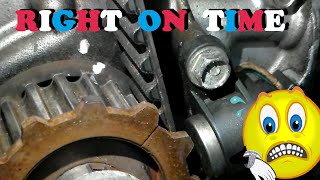
🎬 Watch: How to replace the timing belt and water pump.Frequently Asked Questions (FAQ)

Where is the crankshaft position sensor located?
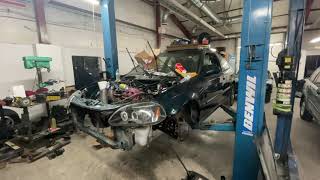
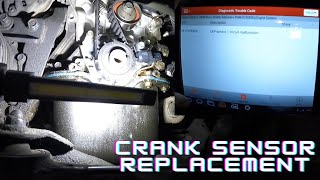
On the 1996-2000 Honda Civic, the sensor is located at the bottom of the engine, mounted to the oil pump housing. 🎬 See this step-by-step 96-00 Civic sensor replacement walkthrough. To access it, you must remove the driver-side front wheel, splash shield, accessory belts, the main crankshaft pulley, and the lower timing belt cover.
Is this a DIY-friendly job?
This repair is recommended for experienced DIY mechanics only. It requires special tools, including a strong impact wrench and a harmonic balancer pulley tool to remove the crankshaft bolt, which is known for being extremely tight. If you are not comfortable performing a timing belt replacement, you should not attempt this job.
Is the crankshaft sensor the same as the camshaft sensor?
No, they are two different sensors. The crankshaft sensor is at the bottom of the engine. On most 1996-2000 Civics, the camshaft position (CYP) sensor is located inside the distributor at the top of the engine. A failure in either sensor can cause similar symptoms, so it's important to read the specific trouble codes from the ECU.
Does a P0335 code always mean the sensor is bad?
Not always. While a faulty sensor is the most common cause, the code can also be triggered by a damaged reluctor wheel (the toothed ring the sensor reads), wiring issues like corrosion or breaks in the harness, or a problem with the ECU. It's always a good idea to inspect the wiring and connector for damage before replacing the sensor.
Do I need to reset the computer after replacing the sensor?
Yes. After installing the new sensor, you should use an OBD2 scanner to clear the stored trouble codes from the engine computer (ECU). This will turn off the Check Engine Light and allow the system to recognize the new part.
Helpful Videos
Technical Specifications
OEM Part Numbers: 37500-P2F-A01 37501-P2J-J01
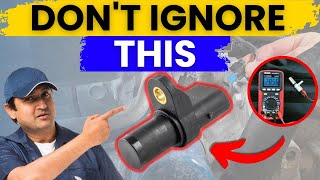
This sensor is located behind the lower timing belt cover on the oil pump housing. It is a 3-pin magnetic sensor that reads the teeth on the crankshaft pulley to determine engine speed and position.

The information in this article is provided for general reference and educational purposes only. Vehicle specifications, procedures, and part compatibility can vary by production date, trim level, and region. Always consult your vehicle's factory service manual and verify part numbers before purchasing or performing repairs. Safety-critical components such as airbags, seat belts, and braking systems should be installed by a qualified professional.
- Honda Civic: