

Choosing the Right Power Steering Pump for Your 1996-2000 GMC K2500
Your power steering pump is more than just for steering; it's critical for your brakes too.
- This pump powers both your steering and your Hydro-Boost brakes; failure affects both systems critically.
- You must use a specific power steering pulley puller/installer tool for the job.
- Always flush the system and bleed it properly to prevent immediate damage to the new pump.
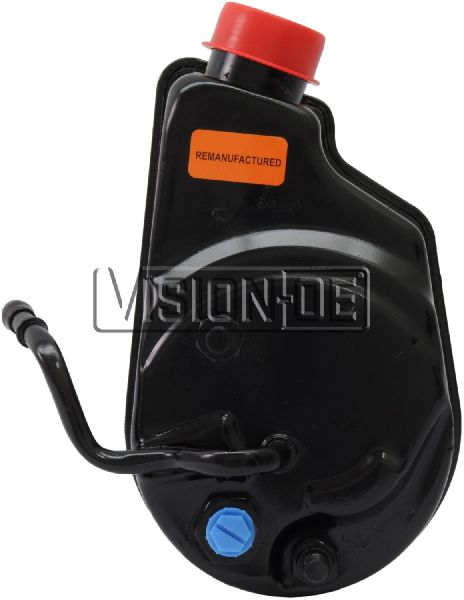
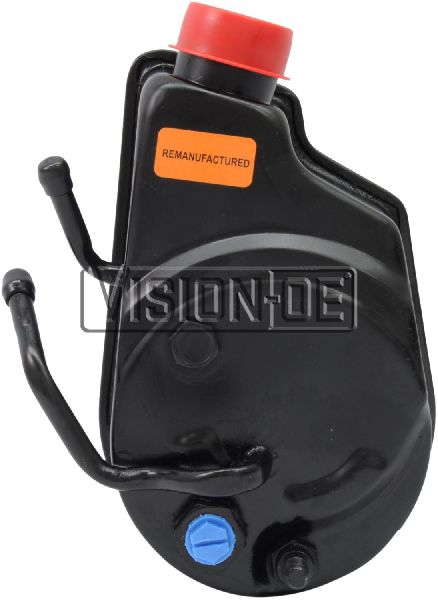
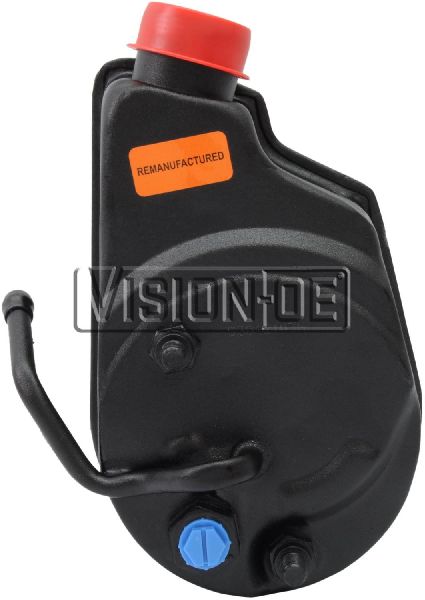
- Confirm if your truck requires a pump with one or two return ports (for Hydro-Boost).
Is Your K2500 Power Steering Pump Failing?
A failing power steering pump on your GMT400-era truck will give clear warning signs. Because these trucks are heavy, a loss of power assist is noticeable immediately. Look for these common symptoms:
- Whining or Groaning Noises: This is the most common sign. You may hear a whining noise that gets louder when you turn the steering wheel. This is often caused by low fluid, air in the system, or a worn-out pump.
- Stiff Steering: If turning the wheel suddenly requires a lot of muscle, especially at low speeds or when parking, the pump is likely not producing enough pressure.
- Hard Brake Pedal: Since the pump powers the Hydro-Boost brakes, a failing pump can make your brake pedal feel very stiff and hard to press, reducing braking power.
- Fluid Leaks: Finding reddish or brownish fluid puddles under the front of your truck points to a leak. While hoses can leak, the pump seals are a common failure point.
Check Your Fluid First!
Before you decide to replace the pump, always check the power steering fluid level. Low fluid can cause whining and stiff steering. If the fluid is dark, has a burnt smell, or contains shiny metal flakes, the system is contaminated and the pump is likely failing internally. Flushing the system is critical when installing a new pump.
Choosing the Right Aftermarket Pump
When shopping for a new aftermarket power steering pump, you'll find a wide range of quality and price. They generally fall into three tiers.
Value Tier (Example: Replacement Brand)
These are the most affordable options, designed to get your truck back on the road without a major investment. While they meet basic fit and function requirements, quality control can be inconsistent. They are a viable option for a budget-focused repair, but may not have the longevity of more expensive brands.
Standard Tier (Examples: Cardone, BBB Industries)
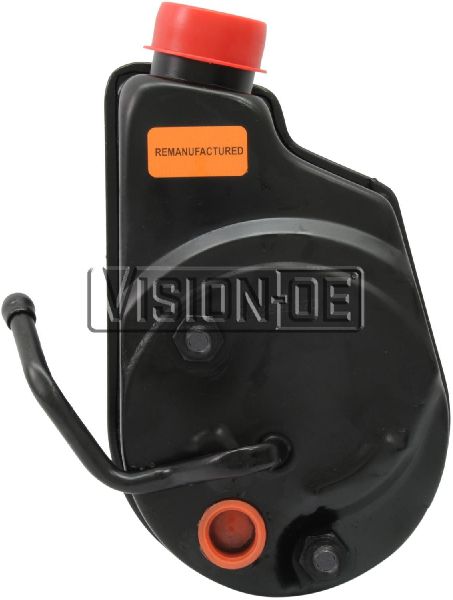
This category includes widely available brands like Cardone and BBB Industries. They offer both new and remanufactured pumps. However, owner and mechanic reviews for these brands are very mixed. Many forum users report issues with noise, leaks, and premature failure, sometimes requiring multiple replacements under warranty. While a new pump from these brands may be a better option than a remanufactured one, be aware of the potential for issues.
Premium & Specialty Tier (Example: PSC Motor Sports)
For owners who want a long-term, high-performance solution, brands like PSC Motor Sports are a top choice. These are not remanufactured parts; they are brand-new units built from the ground up with upgraded components. They are designed to provide stronger, more reliable steering assist, which is especially beneficial for trucks with larger tires or those used for heavy towing. While significantly more expensive, they are often considered a “one-and-done” upgrade. Some users have reported issues with kits containing incorrect fittings, so double-check components upon arrival.
Pro Tips for a Successful Replacement
- Get the Right Tool: You will need a specific power steering pulley puller/installer tool. Do not try to use a standard gear puller or a hammer, as you will damage the pump or pulley.
- Confirm Hydroboost: Make sure you order the correct pump. Models with Hydro-Boost brakes require a pump with a second, low-pressure return port.
- Flush the System: Always flush the entire system with fresh, correct-spec power steering fluid before installing the new pump. Contaminated fluid will destroy a new pump quickly.
- Replace the Hoses: It is highly recommended to replace the high-pressure and return lines at the same time. Old hoses can be brittle, leak, or have internal blockages that can starve the new pump.
- Bleed the System: After installation, you must properly bleed the air out of the system. This usually involves jacking the front wheels off the ground and slowly turning the steering wheel from lock to lock many times with the engine off, then repeating with the engine running, while keeping the reservoir topped off. Air in the system will cause noise and can damage the pump.
Cost of Replacing a Power Steering Pump
| Item | Estimated Cost |
|---|---|
| New Aftermarket Pump | $80 - $401 |
| New OEM Pump | $523 - $670 |
| Shop Labor | $268 - $394 |
| Total Professional Replacement | $466 - $1,311+ |
Frequently Asked Questions
Why are my brakes affected by the power steering pump?
Your K2500 has a Hydro-Boost brake system, which uses hydraulic pressure from the power steering pump to assist with braking instead of engine vacuum. A weak or failing pump leads to a stiff brake pedal and reduced braking power in addition to stiff steering.
Are there any recalls on the power steering pump?
No, searches of the NHTSA database did not find any power steering recalls specifically for the 1996-2000 GMC K2500. Recalls found were for much newer models with different steering systems.
Could the whining noise be something else?
Yes. On older GM trucks, a whining noise from the front of the engine was sometimes misdiagnosed as a bad power steering pump when the actual cause was a failed bearing in the alternator (generator). A Technical Service Bulletin (TSB #463201) was issued for this. It's wise to use a mechanic's stethoscope to isolate the noise before replacing parts.
Do I have to replace the pulley?
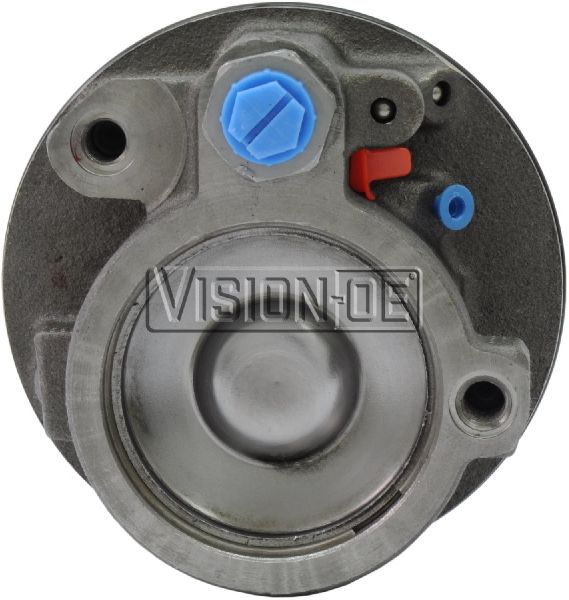
Most new aftermarket pumps do not come with a pulley. You will need to remove the pulley from your old pump and install it on the new one using the special pulley puller/installer tool. Attempting to hammer it on will destroy the new pump.
Technical Specifications
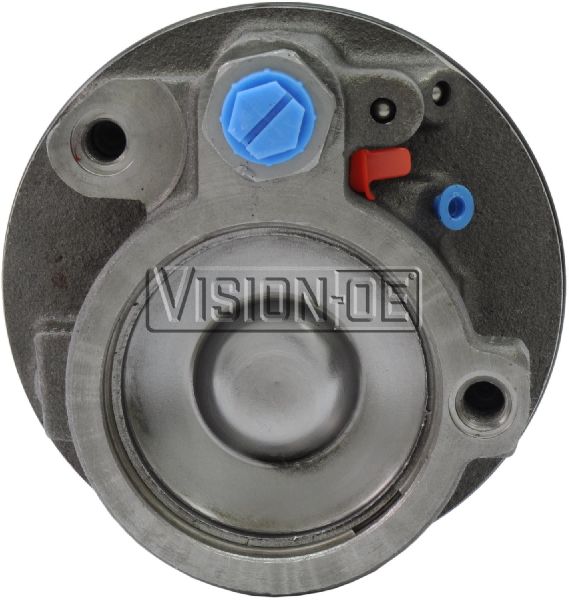
Key specification is whether the pump is for a system with or without Hydro-Boost brakes, which determines the number of return line ports on the reservoir.
We Have This Part in Stock

The information in this article is provided for general reference and educational purposes only. Vehicle specifications, procedures, and part compatibility can vary by production date, trim level, and region. Always consult your vehicle's factory service manual and verify part numbers before purchasing or performing repairs. Safety-critical components such as airbags, seat belts, and braking systems should be installed by a qualified professional.
- GMC K2500: