

Engine Coolant Temperature Sensor Guide for the 1996-2000 Chevrolet Express 3500
Keep your Vortec engine running right by understanding, diagnosing, and replacing a faulty coolant temperature sensor.
- A failing ECT sensor can cause poor fuel economy, overheating, and Check Engine Light codes P0117 or P0118.
- For best results, choose a top-tier aftermarket brand like Delphi, ACDelco, or Standard Motor Products.
- The sensor is located on the front of the intake manifold and is accessible after removing the interior engine cover.
- Replacement is a simple DIY job that requires minimal tools and can be done in under an hour.
Symptoms of a Failing ECT Sensor in a Chevy Express
When the Engine Coolant Temperature (ECT) sensor in your 1996-2000 Express 3500 starts to fail, it sends incorrect information to the engine's computer. This can cause a range of problems, from minor annoyances to issues that could lead to engine damage if ignored.
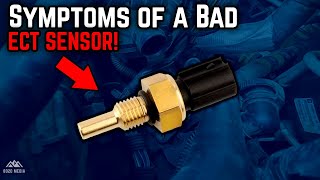
🎬 Watch this video to see common symptoms of sensor failure.- Check Engine Light: This is often the first sign. The computer will store trouble codes like P0117 (circuit low input) or P0118 (circuit high input).
- Poor Fuel Economy: If the sensor incorrectly tells the computer the engine is cold, the computer will enrich the fuel mixture, causing the engine to burn more gas than necessary.
- Black Smoke from Exhaust: This is a sign of a rich fuel mixture, where there is too much gasoline and not enough air. This is often caused by a faulty ECT sensor telling the computer the engine is cold.
- Engine Overheating: If the sensor fails to report that the engine is getting hot, the computer may not turn on the cooling fans when needed, leading to overheating. An inaccurate gauge reading can also hide an overheating problem.
- Hard Starting or Rough Idle: Especially when the engine is cold, a bad sensor can make it difficult to start or cause the engine to run rough until it warms up.
Choosing the Right Aftermarket ECT Sensor
For a vehicle like the 1996-2000 Express 3500, you don't necessarily need to go to the dealer for a quality part. Many aftermarket brands offer excellent quality, sometimes from the same factory that made the original part. However, quality can vary greatly between brands.
Pro Tip: For critical sensors like the ECT, it's wise to stick with known, reputable brands. Saving a few dollars on a cheap, no-name sensor can lead to repeated repairs and poor engine performance.
Brand Quality Tiers
- Top Tier (OEM Equivalent): Brands like Delphi and ACDelco are often the original equipment manufacturers for General Motors. Choosing one of these is the closest you can get to buying the part from a GM dealer. They are known for their reliability and accurate readings.
- Reliable Aftermarket: Brands such as Standard Motor Products (SMP), NGK/NTK, and Beck Arnley have a strong reputation in the aftermarket. They engineer their parts to meet or exceed OEM specifications and are a solid choice for a dependable repair.
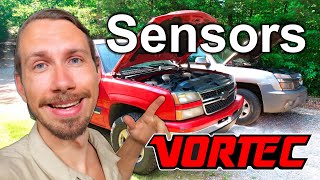
- Budget-Friendly: Brands like Four Seasons, Global Parts, and True Tech are more budget-oriented. While they can be a viable option if cost is the primary concern, they may not offer the same longevity or precise calibration as the higher-tier brands. 🎬 Learn more about the different sensors on Chevy Vortec engines.
Installation & Location
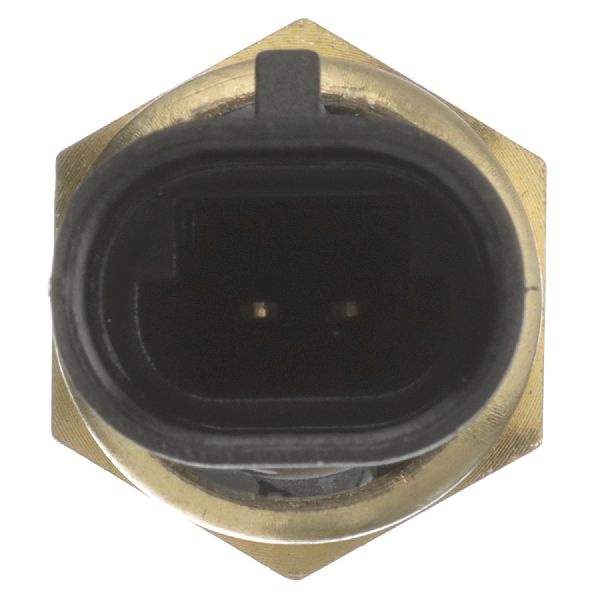
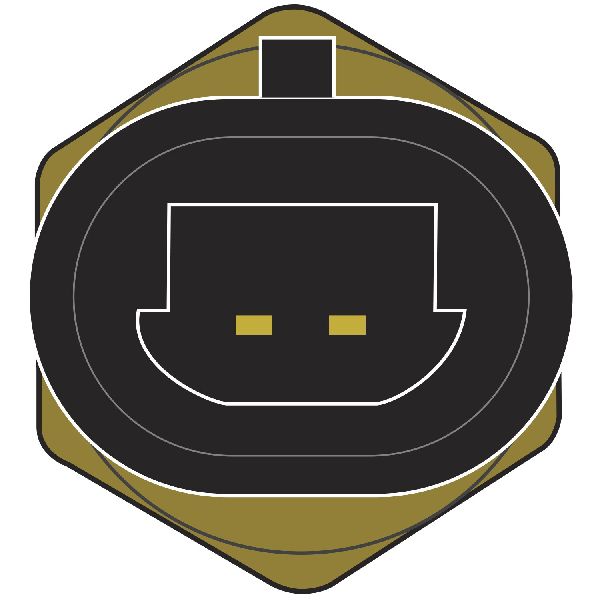
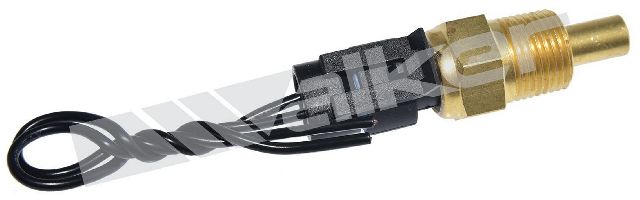
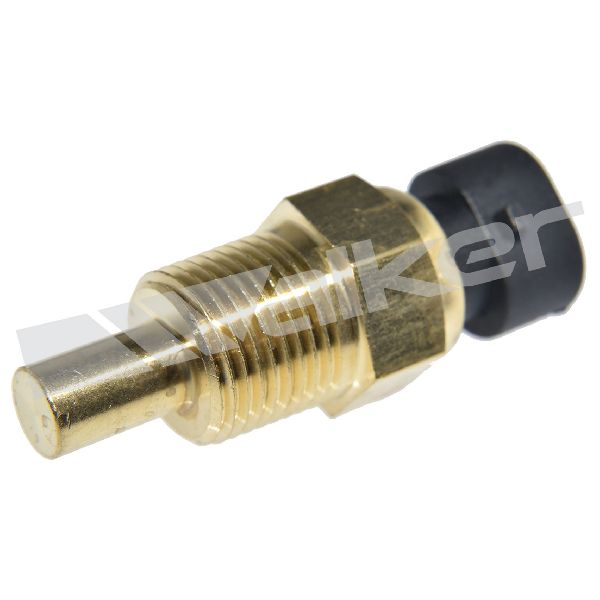
On the V8 engines in the 1996-2000 Express 3500 (like the 5.7L and 7.4L Vortec), the primary ECT sensor is typically located on the front of the intake manifold, near the thermostat housing. To access it, you will need to remove the large plastic engine cover, often called the "doghouse," from inside the van. The sensor itself is threaded into the manifold and has a two-wire electrical connector.
🎬 See exactly where the sensor is located on a Chevy Express.Replacement is straightforward for a DIY mechanic. You simply unplug the connector, and use a deep socket and ratchet to unscrew the old sensor. Have the new sensor ready to quickly thread in its place to minimize coolant loss. Always let the engine cool down completely before opening the cooling system.
Warning: Never attempt to replace the coolant sensor when the engine is hot. The cooling system is under pressure and the coolant can be extremely hot, potentially causing severe burns.
Cost to Replace an ECT Sensor on a 1996-2000 Express 3500
| Part or Service | Estimated Cost |
|---|---|
| New Aftermarket ECT Sensor | $12 - $68 |
| New OEM ECT Sensor | $40 - $90 |
| Shop Labor | $75 - $150 |
| Total Professional Replacement | $87 - $218 |
Costs are estimates and can vary based on location, the specific brand chosen, and shop labor rates.
Frequently Asked Questions
Where is the ECT sensor located on my Express 3500?
For the V8 engines common in this generation, the main ECT sensor is usually threaded into the front of the intake manifold, close to the thermostat housing and alternator. You will need to remove the interior engine cover ("doghouse") to see and access it.
Do I need to drain the coolant to replace the sensor?
You don't have to drain the entire system. If you work quickly, you can unscrew the old sensor and immediately install the new one, which will only result in a small amount of coolant loss. Just be sure to have the new sensor ready to go. Afterward, top off the coolant reservoir as needed.
What is the difference between the ECT sensor and the temperature sender for the gauge?
On many GM vehicles of this era, there are two separate sensors. One sensor (the ECT) sends information only to the engine computer. A second, single-wire sensor (the sender) is used to operate the temperature gauge on your dashboard. If your gauge is reading incorrectly but the engine seems to run fine, the sender might be the problem, not the ECT sensor.
Are there any recalls for the ECT sensor on this van?
No, there are no specific recalls issued by the NHTSA for the engine coolant temperature sensor on the 1996-2000 Chevrolet Express 3500. Any failure is due to age and normal wear.
Helpful Videos
Technical Specifications
OEM Part Numbers: 12650595 213-4514 213-77
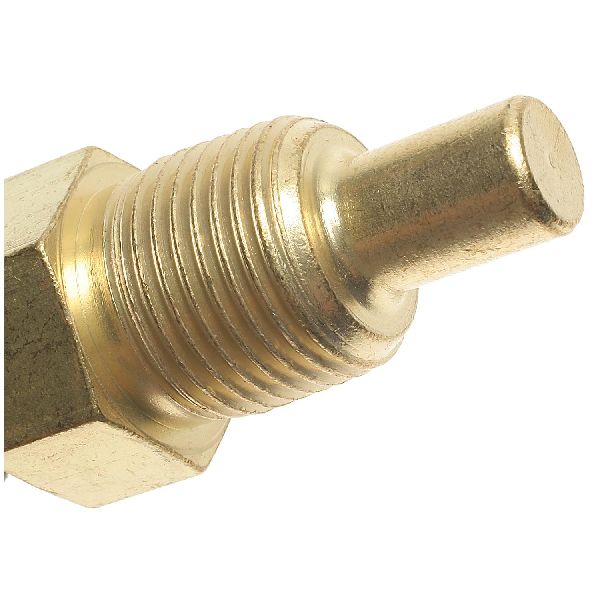
Typically a 2-pin, brass-tipped thermistor that threads into the intake manifold coolant passage.
We Have This Part in Stock


The information in this article is provided for general reference and educational purposes only. Vehicle specifications, procedures, and part compatibility can vary by production date, trim level, and region. Always consult your vehicle's factory service manual and verify part numbers before purchasing or performing repairs. Safety-critical components such as airbags, seat belts, and braking systems should be installed by a qualified professional.
- Chevrolet Express 3500: