

A Land Cruiser Owner's Guide to Oxygen Sensor Replacement (1995-2006)
Everything you need to know about choosing the right oxygen sensor and avoiding common issues for your FZJ80 or UZJ100 Land Cruiser.
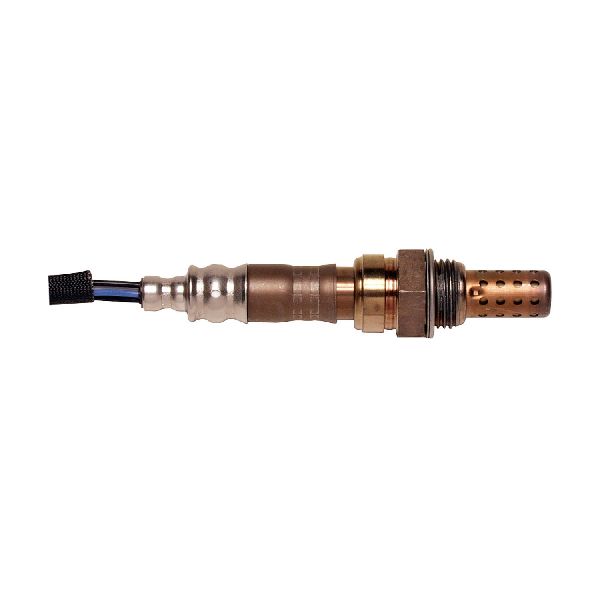
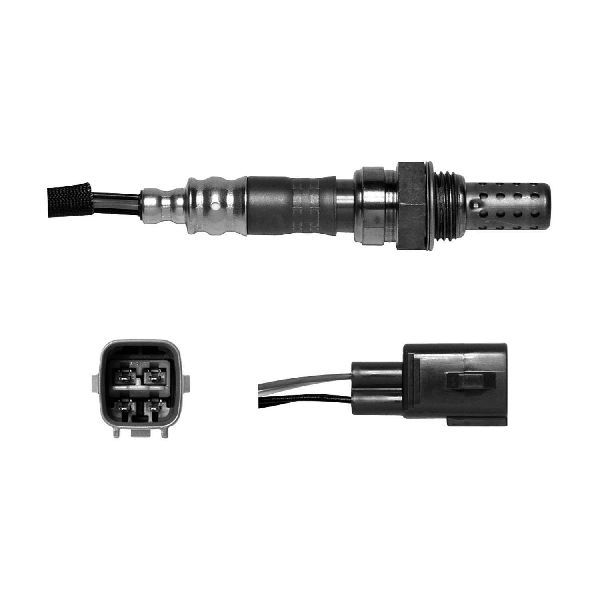
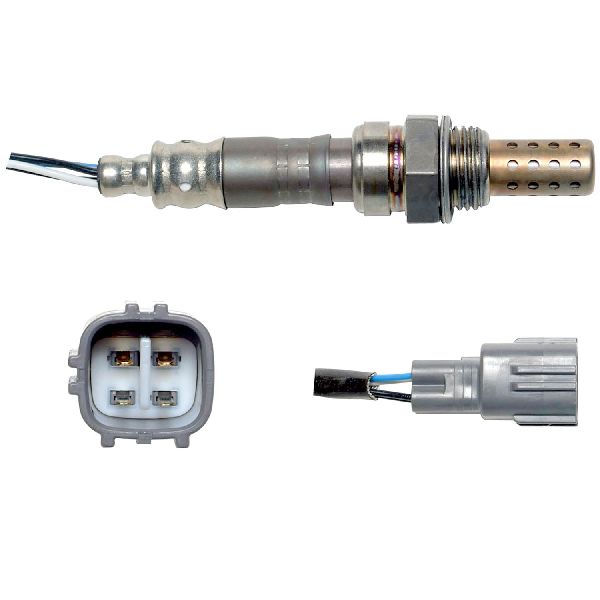
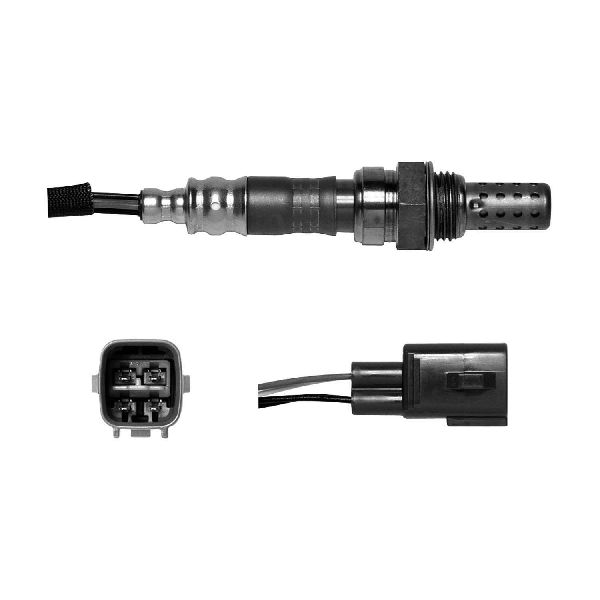
- Denso is the original equipment manufacturer (OEM) and is the most recommended brand for a trouble-free replacement.
- The 1998-2006 Land Cruiser (100 Series) has four oxygen sensors; identify the correct one before purchasing.
- A bad oxygen sensor will decrease fuel economy and can eventually damage your expensive catalytic converters if ignored.
- Using a special oxygen sensor socket and applying anti-seize to the threads will make the replacement job much easier.
Understanding Oxygen Sensor Failure in Your Land Cruiser

Oxygen sensors live in a harsh environment, constantly exposed to hot exhaust gases, and they wear out over time. Contaminants from oil or coolant can also cause them to fail prematurely. When a sensor starts to fail, it sends incorrect information to your engine's computer, leading to an improper air-fuel mixture. This can cause a range of noticeable problems, from annoying to potentially damaging to other expensive components like your catalytic converters. It's a common maintenance item, especially on vehicles over 15 years old or with more than 100,000 miles.
Choosing the Right Aftermarket Oxygen Sensor

When replacing oxygen sensors on your Land Cruiser, you'll find many aftermarket options. However, owner experience overwhelmingly points to one brand as the safest bet.
Aftermarket Brand Tiers for 1995-2006 Land Cruiser
| Tier | Brands | Quality & Fitment Assessment |
|---|---|---|
| Tier 1: OEM Equivalent | Denso | Denso is the Original Equipment Manufacturer (OEM) for Toyota. Aftermarket Denso sensors are widely considered identical to the genuine Toyota part, just without the Toyota branding and higher dealer price tag. They are the most recommended choice by Land Cruiser owners for guaranteed fit, function, and avoiding check engine light issues. |
| Tier 2: Reputable Aftermarket | NGK (NTK) | NGK, which markets its sensors under the NTK brand, is another highly respected Japanese manufacturer. They are a reliable alternative to Denso and are known for their quality and proper function in Toyota vehicles. |
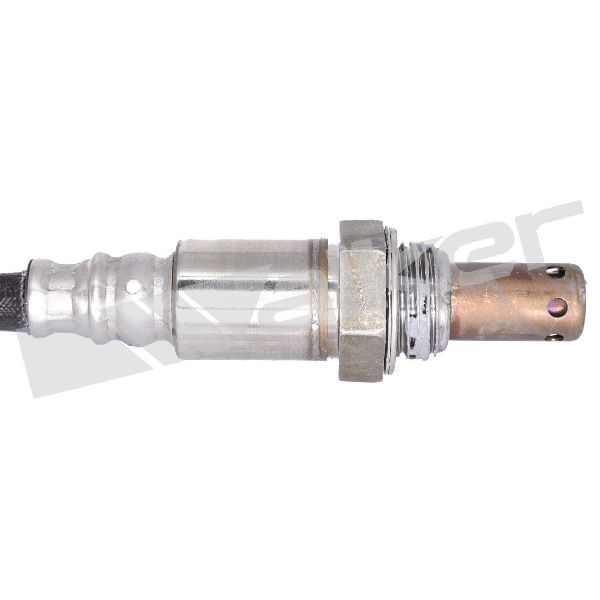
| Tier 3: Standard Aftermarket | Bosch, Delphi, Walker, Spectra | While Bosch is a massive sensor manufacturer that invented the O2 sensor, forum discussions show mixed results for Toyota applications, with some owners reporting compatibility issues or check engine codes. Brands like Walker, Delphi, and Spectra offer direct-fit replacements that are a budget-friendly option, but long-term reliability may not match Denso or NGK for this specific vehicle. |
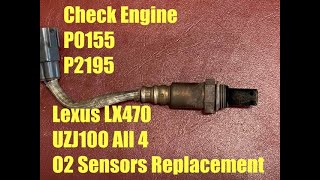
Pro Tip: Many owners recommend replacing oxygen sensors in pairs (both upstream or both downstream) or all four at once on higher mileage Land Cruisers. 🎬 Watch this complete walkthrough for replacing all four oxygen sensors. This can prevent future headaches, as the remaining old sensors may fail soon after the first one is replaced.
Cost of Replacing Land Cruiser Oxygen Sensors
The cost can vary significantly based on the brand you choose and whether you do the job yourself. The 100-Series Land Cruiser has four sensors, while the 80-Series has two. Prices below are 🎬 Watch a step-by-step guide for 80-Series oxygen sensor replacement. estimates per sensor.
| Part Type | Estimated Cost (per sensor) |
|---|---|
| New OEM | $115 - $270 |
| New Aftermarket | $25 - $265 |
| Shop Labor | $75 - $200 |
Frequently Asked Questions (FAQ)


Which sensor is Bank 1 and Bank 2 on my Land Cruiser?
On the V8 (2UZ-FE) engine found in 1998-2006 models, Bank 1 (B1) is the driver's side (LH) and Bank 2 (B2) is the passenger's side (RH). 🎬 See how to replace the Bank 2 Sensor 1 upstream unit. Sensor 1 (S1) is the upstream sensor before the catalytic converter, and Sensor 2 (S2) is the downstream sensor after the converter.
Do I need a special tool to replace an oxygen sensor?
Yes, a special tool is highly recommended. An oxygen sensor socket, which has a slot for the wire to pass through, makes the job much easier. For the 1998-2006 models, this is typically a 22mm or 7/8" socket. The downstream sensors on some models are held on with two 12mm nuts instead of being threaded in.
Are the front and rear sensors the same? What about left and right?
No, they are often different. Upstream (front) and downstream (rear) sensors have different functions and part numbers. While the OEM parts list often shows different numbers for left and right sides, the recommended Denso aftermarket parts often use the same part for both left and right positions, simplifying your purchase. Always verify the part number for the specific location you are replacing.
What are common mistakes when ordering or installing?
The most common ordering mistake is buying the wrong sensor for the position (e.g., an upstream sensor for a downstream location). The biggest installation mistake is not using anti-seize compound on the threads of the new sensor, which can make future removal extremely difficult. Most quality aftermarket sensors, like Denso, come with a small packet of anti-seize. Also, be careful with the studs on the downstream sensors; they can be rusty and break if too much force is applied.
Known Issues & Bulletins
Toyota issued a Special Service Campaign (SSC) for some vehicles regarding potential wire degradation inside the oxygen sensor harness due to vibration. This could cause the check engine light to illuminate with codes like P0037, P0136, P0137, P0138, or P0139. While not a formal recall on Land Cruisers, it highlights the importance of checking the sensor's wiring and connector. No major NHTSA safety recalls exist for oxygen sensors on these models.
Helpful Videos

Technical Specifications
OEM Part Numbers: 89465-69115 89465-69085 89465-69105 89465-50060 89465-80011 89465-60150 89465-69175
The 1995-1997 FZJ80 models use two 4-wire, flanged-mount oxygen sensors. The 1998-2006 UZJ100 models use four sensors. The two upstream sensors (Air/Fuel Ratio Sensors) are threaded, while the two downstream sensors are typically a flanged mount secured by two 12mm nuts. All sensors are of the heated type.
We Have This Part in Stock


The information in this article is provided for general reference and educational purposes only. Vehicle specifications, procedures, and part compatibility can vary by production date, trim level, and region. Always consult your vehicle's factory service manual and verify part numbers before purchasing or performing repairs. Safety-critical components such as airbags, seat belts, and braking systems should be installed by a qualified professional.
- Toyota Land Cruiser: