

Audi A6 (1995-2005) Engine Camshaft Position Sensor Replacement Guide
Having starting trouble or a check engine light? Your camshaft position sensor might be the culprit.
- A failing camshaft sensor will almost always trigger a Check Engine Light with codes like P0341 or P0346.
- Symptoms include hard starting, stalling, rough idle, and poor acceleration.
- For best results, use an OEM-quality brand like Bosch or Hella, as they are often the original suppliers for Audi.
- V6/V8 engines have two sensors; one is easy to access, but the other can be very difficult to replace.
Is Your Audi A6 Camshaft Sensor Failing?
A bad camshaft position sensor can cause a range of problems, from annoying to serious. Because this sensor is so important for engine timing, a faulty one can make your car difficult or even unsafe to drive. Look out for these common symptoms.
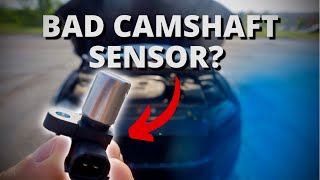
🎬 Watch: A visual guide to symptoms of a bad sensor.Key Symptoms of a Bad Sensor
- Check Engine Light: This is the most common sign. A scan will usually show codes like P0341, P0346, or others related to camshaft position.
- Difficulty Starting: The engine may crank for a long time before starting, or it might not start at all.
- Engine Stalling: The car may stall unexpectedly, especially at low speeds or when idling. This is a serious safety concern.
- Rough Idle and Misfires: The engine may shake, run unevenly, or misfire because the timing is off.
- Poor Acceleration: You might notice a significant loss of power and sluggish performance.
Choosing the Right Aftermarket Camshaft Sensor
When replacing this sensor, you have a choice between Original Equipment (OE) and aftermarket parts. For German vehicles like Audi, some aftermarket brands are the same ones that supply the original parts to the factory. These offer a great balance of quality and price.
Brand Tiers for Your Audi A6:
- Tier 1 (OEM/Premium): Brands like Bosch, Hella, and Vemo are often original equipment suppliers for Audi. Choosing one of these is the closest you can get to buying a genuine part from the dealer, but at a better price. They are highly recommended for reliability and fit.
- Tier 2 (Quality Aftermarket): Brands such as Delphi, Standard Motor Products (SMP), and Beck Arnley have a strong reputation for producing reliable sensors that meet or exceed OEM specifications. They are a solid choice for a dependable repair without the premium price tag.
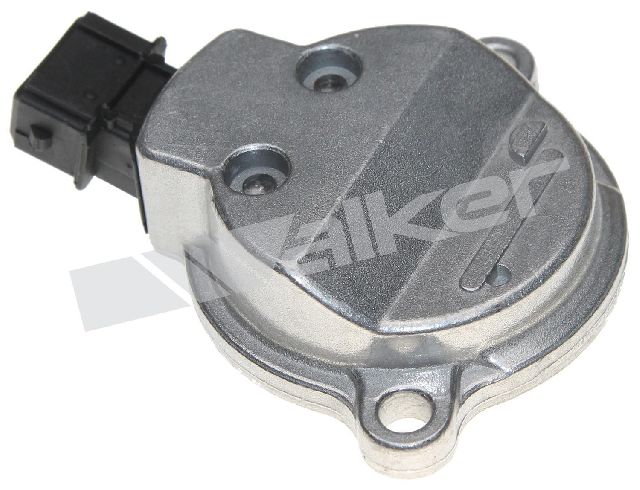
- Tier 3 (Budget-Friendly): Brands like URO Parts, Walker Products, and others offer a low-cost alternative. While tempting, be aware that sensor quality can be inconsistent with budget options. For a critical part like a camshaft sensor, it's often worth spending a little more to avoid future headaches.
Pro Tip: For critical electronic sensors on German cars, sticking with OEM-supplier brands like Bosch or Hella is a wise investment. The small extra cost often translates to better reliability and prevents you from having to do the job twice.
How Much Does a Replacement Cost?
The cost can vary depending on your specific A6 model and whether you do the job yourself or go to a shop. The V6 and V8 engines have two sensors, so be prepared to potentially replace both if you're unsure which one has failed.
| Part or Service | Estimated Cost |
|---|---|
| New Aftermarket Camshaft Sensor | $21 - $136 |
| Shop Labor | $54 - $140 |
| Total Professional Replacement | $164 - $264 (per sensor) |
Frequently Asked Questions (FAQ)
Where is the camshaft position sensor located on a 1995-2005 Audi A6?
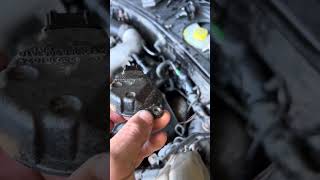
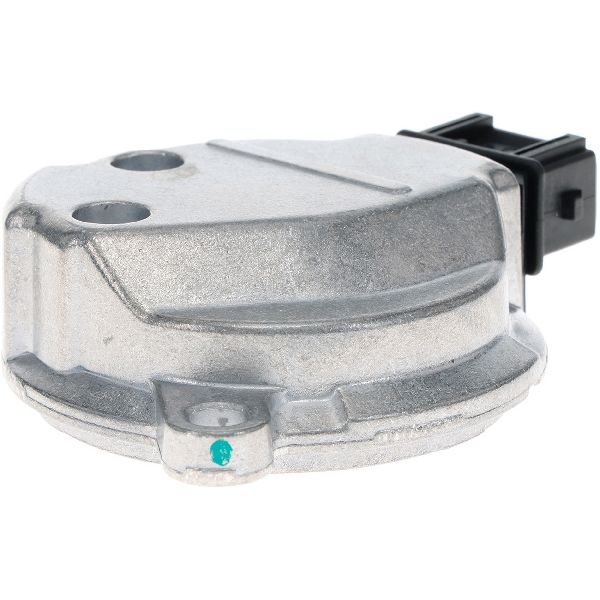
The location depends on your engine. On V6 and V8 models, there are two sensors. One is typically on the front of the driver's side cylinder head, often easy to access. The other is on the rear of the passenger's side cylinder head and can be much more difficult to reach, sometimes requiring removal of other components. Always consult a repair manual for your specific engine (e.g., 2.7T, 2.8L, 4.2L) to confirm locations.
🎬 See this walkthrough for the sensor on a 4.2L engine.Can I replace the camshaft sensor myself?
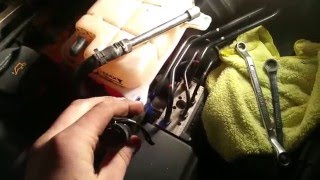
Yes, for many DIYers, this is a manageable job, especially for the more accessible sensor. It's usually held in by a single bolt (often a Torx T30) and has an electrical connector. However, the sensor on the rear of the passenger side on some V6 engines is notoriously difficult and may be best left to a professional.
🎬 Watch: A helpful shortcut for replacing the 2.7t camshaft sensor.Are there any recalls for the Audi A6 camshaft sensor?
A search of the NHTSA database shows no specific recalls for the camshaft position sensor itself on the 1995-2005 Audi A6. However, there are Technical Service Bulletins (TSBs) for similar models that relate to camshaft position correlation codes (like P0016, P0018), which can sometimes be caused by related parts like the cam adjuster solenoid, not just the sensor.
Should I replace the crankshaft position sensor at the same time?
It's not strictly necessary, but the camshaft and crankshaft position sensors work together. They are made of similar materials and fail due to similar reasons like age and heat cycles. If your car has high mileage and you're already working in the area, replacing the crankshaft sensor as a preventive measure can save you from a future breakdown, as its failure will also prevent the car from running.
What happens if I ignore a bad camshaft sensor?
Ignoring the problem can lead to worsening symptoms. You may experience frequent stalling, which is dangerous in traffic. The engine will run inefficiently, leading to poor fuel economy and potentially damaging other components like the catalytic converter over time due to misfires. Eventually, the car may fail to start at all.
Helpful Videos
Technical Specifications
OEM Part Numbers: 07L905163C 07L905163B 07L905163A 036906433A 034905161
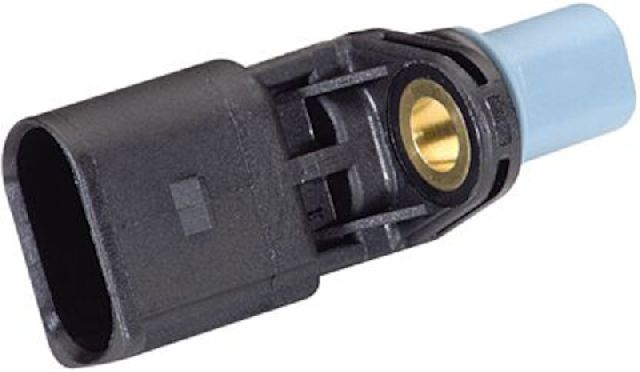
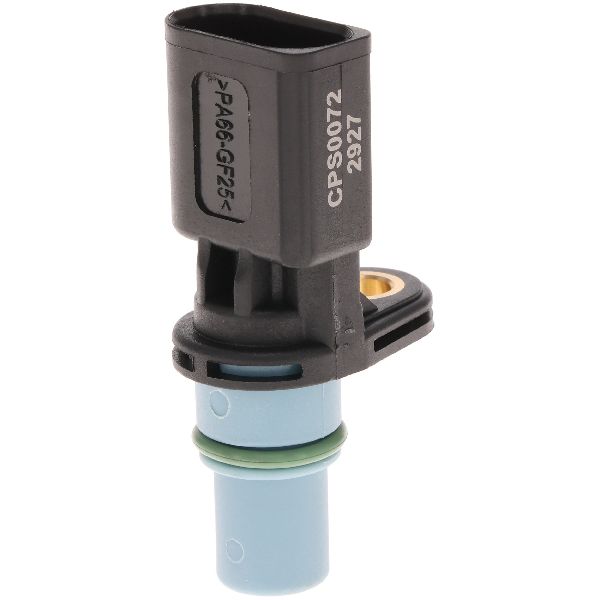
The sensor is a Hall Effect type, which uses a magnetic field to detect the rotation of the camshaft. It typically has a 3-pin electrical connector that provides power, ground, and a signal output to the engine computer.
We Have This Part in Stock


The information in this article is provided for general reference and educational purposes only. Vehicle specifications, procedures, and part compatibility can vary by production date, trim level, and region. Always consult your vehicle's factory service manual and verify part numbers before purchasing or performing repairs. Safety-critical components such as airbags, seat belts, and braking systems should be installed by a qualified professional.
- Audi A6: