

Guide to Oxygen Sensors for the 1995-2002 Nissan Maxima
Understanding how to replace a failing oxygen sensor can restore your Maxima's fuel economy and engine performance.
- Your 1995-2002 Maxima has four oxygen sensors; identify the correct one before buying.
- A failing upstream (Bank 1, Sensor 1 or Bank 2, Sensor 1) sensor has the biggest impact on performance and fuel economy.
- Choose direct-fit sensors from reputable brands like Denso, Bosch, or NGK for the best reliability.
- Ignoring a bad O2 sensor can lead to poor fuel economy and expensive catalytic converter damage.
Symptoms of a Failing Oxygen Sensor

A bad oxygen sensor can cause several noticeable issues with your Maxima. The most common sign is the Check Engine Light illuminating on your dashboard. You may also experience a significant drop in fuel economy, a rough or unstable idle, hesitation during acceleration, or even a rotten egg smell from the exhaust. In severe cases, a failing sensor can lead to damage to your catalytic converter, which is a much more expensive repair.
Known Issues and TSBs
For 2002 models, Nissan issued a Technical Service Bulletin (TSB) for the Malfunction Indicator Lamp being on with rear O2 sensor diagnostic trouble codes P0138, P0139, P0158, P0159, P1147, and P1167. 🎬 Watch: Replacing a rear O2 sensor on a 2002 Maxima This indicates that issues with rear sensors are a known problem for this specific model year. No widespread recalls for oxygen sensors were found for the 1995-2002 model years.
Choosing the Right Aftermarket Oxygen Sensor

When replacing an oxygen sensor, you have a choice between OEM (Original Equipment Manufacturer) and aftermarket parts. While OEM sensors are a guaranteed fit, quality aftermarket brands offer comparable performance for a lower price. For the 1995-2002 Maxima, it's crucial to select a "direct-fit" sensor with the correct electrical connector to avoid cutting and splicing wires.
Brand Quality Tiers
- Top Tier (OEM-level quality): Brands like Bosch, Denso, and NGK (NTK) are often the original equipment suppliers for Nissan and are highly recommended by mechanics and owners. These brands are known for their reliability, durability, and precise fit, ensuring performance that meets or exceeds original specifications.
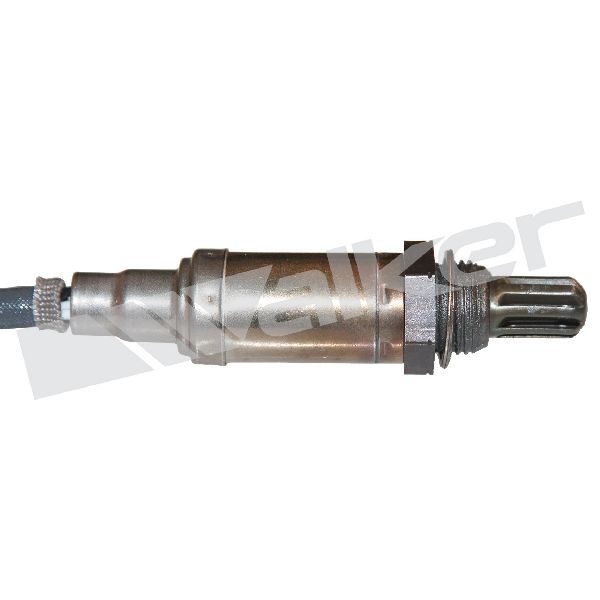
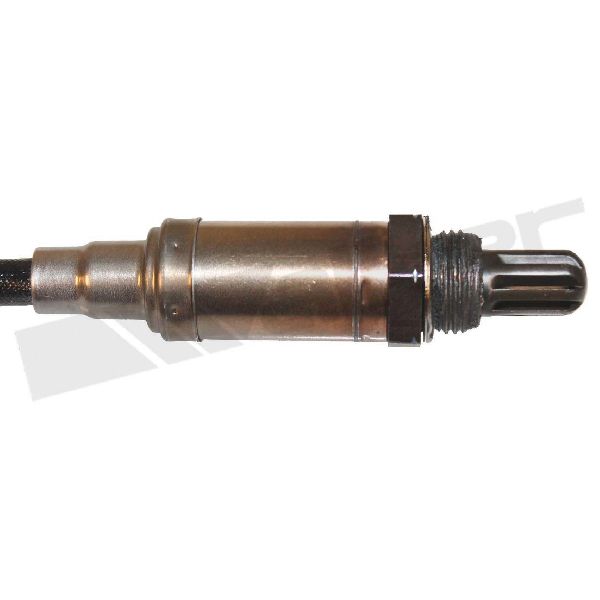
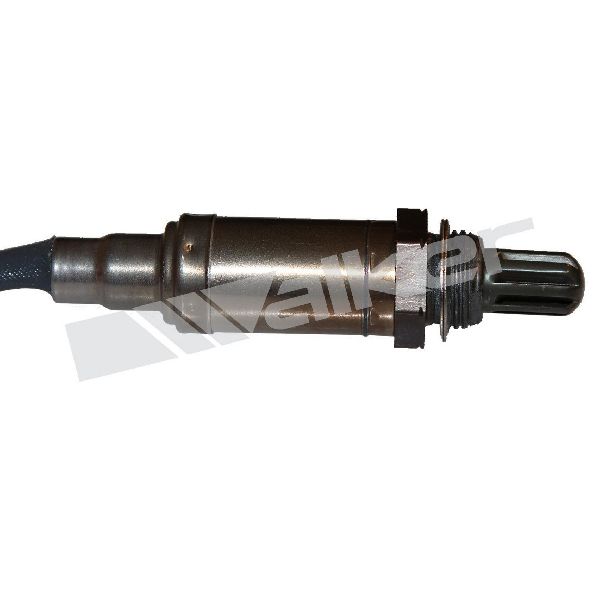
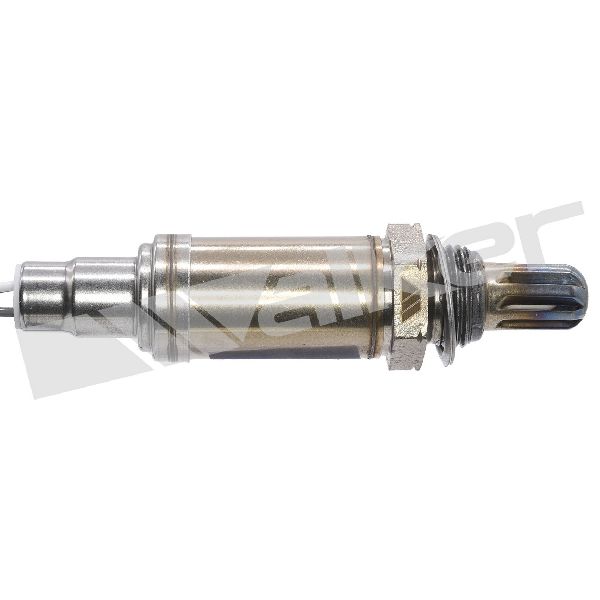
- Mid-Grade: Brands such as Delphi, Spectra, and Walker Products offer a good balance of quality and value. They are generally reliable and a solid choice for owners looking for a dependable part without the premium price of an OEM or top-tier brand.
- Economy: Brands like DriveWire fall into the budget-friendly category. While they are the most affordable, their long-term durability and performance may not match that of the higher-tiered brands.
Pro Tip: Many owners and mechanics recommend using Denso or Bosch direct-fit sensors for the best results on a 4th and 5th generation Maxima. Universal sensors, which require splicing wires, are available but are generally not recommended as they can be a source of future electrical problems.
Cost of Replacing Nissan Maxima Oxygen Sensors

| Part or Service | Estimated Cost |
|---|---|
| New Aftermarket Oxygen Sensor | $25 - $165 |
| New OEM Oxygen Sensor | $150 - $300+ |
| Shop Labor for Replacement (per sensor) | $80 - $150 |
Frequently Asked Questions (FAQ)

How many oxygen sensors does a 1995-2002 Maxima have?
Most 1995-2002 Nissan Maximas have four oxygen sensors. There are two upstream sensors (Bank 1 Sensor 1, Bank 2 Sensor 1) located on the exhaust manifolds before the catalytic converter, and two downstream sensors (Bank 1 Sensor 2, Bank 2 Sensor 2) located after the catalytic converter.
What is the difference between an upstream and downstream sensor?
Upstream sensors (also called air-fuel ratio sensors) are the primary sensors that the engine computer uses to make real-time adjustments to the fuel mixture. Downstream sensors are used to monitor the efficiency of the catalytic converter by comparing the oxygen levels before and after it. A failing upstream sensor will have a much greater impact on engine performance and fuel economy.
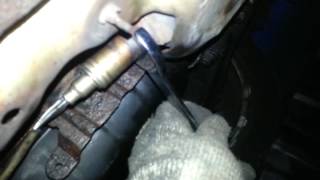
🎬 See this walkthrough for replacing an upstream Bank 1 sensorWhat tools are needed to replace an oxygen sensor?
You will typically need a special oxygen sensor socket, which is a deep socket with a cutout for the sensor's wire. You'll also need a ratchet and possibly an extension. Penetrating oil is highly recommended to spray on the old sensor before attempting removal, as they are often seized in the exhaust pipe due to heat and rust.
Can I clean my oxygen sensor instead of replacing it?
While some attempt to clean O2 sensors, it is generally not a reliable or long-term solution. Contaminants can penetrate deep into the sensor's porous ceramic element, and cleaning the exterior rarely restores proper function. Given the relatively low cost of aftermarket sensors, replacement is the recommended course of action for a confirmed failure.
🎬 Watch: How to test and replace a faulty oxygen sensorHelpful Videos


Technical Specifications
OEM Part Numbers: 226A14L715 226A14L711
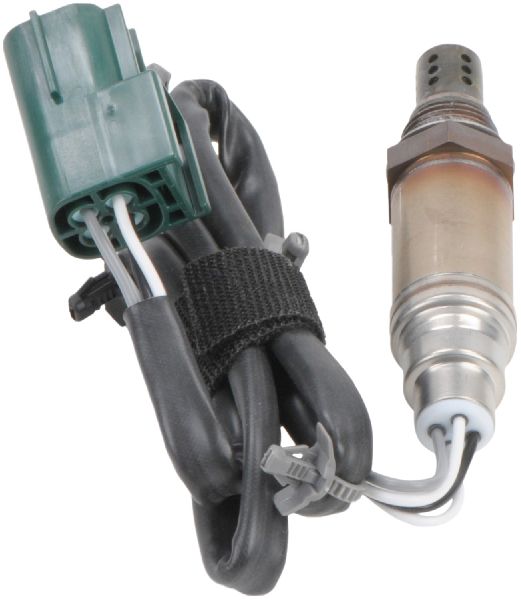
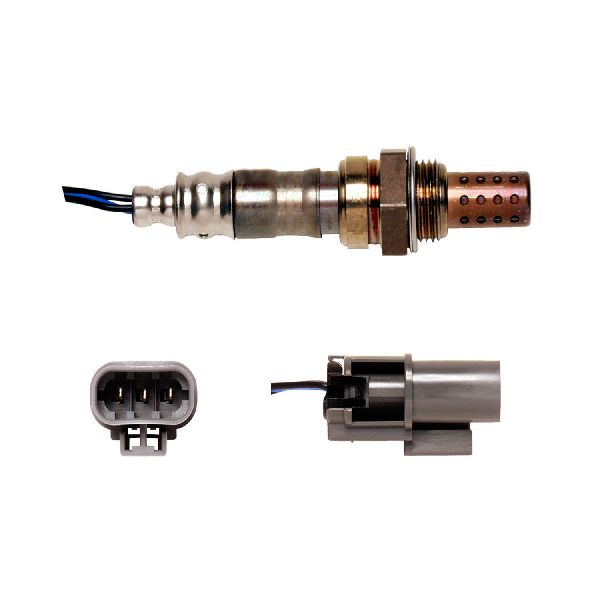
The 1995-2002 Nissan Maxima uses heated, narrow-band oxygen sensors. They typically have 3 or 4 wires and a thread size of M18x1.5. Upstream and downstream sensors have different wire lengths and connectors, so it is crucial to order the correct part for the specific location.
We Have This Part in Stock

The information in this article is provided for general reference and educational purposes only. Vehicle specifications, procedures, and part compatibility can vary by production date, trim level, and region. Always consult your vehicle's factory service manual and verify part numbers before purchasing or performing repairs. Safety-critical components such as airbags, seat belts, and braking systems should be installed by a qualified professional.
- Nissan Maxima: