

A/C System Valve Core and Cap Kit for 1995-2002 Isuzu FSR Trucks
Leaking A/C service ports are a common and often overlooked cause of poor cooling in your Isuzu FSR.
- A leaking A/C valve core is a common cause of poor cooling performance in the Isuzu FSR.
- The service port cap is the primary seal; always ensure it is present and tight.
- For this part, a new aftermarket kit is a cost-effective and reliable repair solution.
- Replacement requires the A/C system to be professionally evacuated and recharged, which is where most of the repair cost comes from.
Symptoms of a Failing A/C Valve Core or Cap
A leak in the A/C service port is often slow and can be hard to detect. Over time, the loss of refrigerant will cause your FSR's A/C to blow cool instead of cold, and eventually, it will only blow warm air. The most definitive sign of a leak is a hissing sound when you remove the plastic service port cap. You might also see oily residue or dye (if previously added) around the service port area, which indicates escaping refrigerant and oil.
The Cap is the Primary Seal
Many people think the service port caps are just for keeping dust out. However, for automotive A/C systems, the cap and its rubber O-ring are designed to be the main seal. Never operate your truck without the A/C service caps securely tightened. Missing caps are a common cause of slow leaks and system contamination.
Choosing the Right Aftermarket Part
For a complex component like an A/C compressor, sticking with the original equipment (OEM) part is often a wise choice. However, for a simple, standardized part like an A/C valve core and cap kit, a new aftermarket kit provides excellent value. Brands like Global Parts offer kits that meet the necessary specifications for your Isuzu FSR's R134a system. Since the primary failure point is the rubber O-ring degrading over time, a new aftermarket part is a perfectly reliable and cost-effective solution compared to sourcing an expensive OEM equivalent.
Estimated Replacement Cost (1995-2002 Isuzu FSR)
| Part Type | Estimated Part Cost |
|---|---|
| New Aftermarket (Global Parts) | $8 - $10 |
| New OEM | $25 - $45 |
| Shop Labor (Evacuate & Recharge) | $120 - $250 |
Pro Tip: The main cost of this repair is not the part itself, but the labor to recover the existing refrigerant and recharge the system after the new valves are installed. It is illegal and harmful to the environment to release refrigerant into the atmosphere.
Frequently Asked Questions (FAQ)
Can I replace the A/C valve cores myself?
You can only replace the valve cores yourself if the A/C system is completely empty of refrigerant. If there is any pressure in the system, it must be professionally evacuated with a special machine before you can safely and legally perform the work. Some special tools exist that allow replacement on a charged system, but they can be difficult to use correctly.
Why is my A/C blowing warm air?
While a leaking valve core is one possibility, warm air from the A/C can have many causes. The most common reason is a low refrigerant level, which points to a leak somewhere in the system. Other potential issues include a faulty compressor, electrical problems, or a clogged condenser.
Do I need to replace the cap if I replace the valve core?
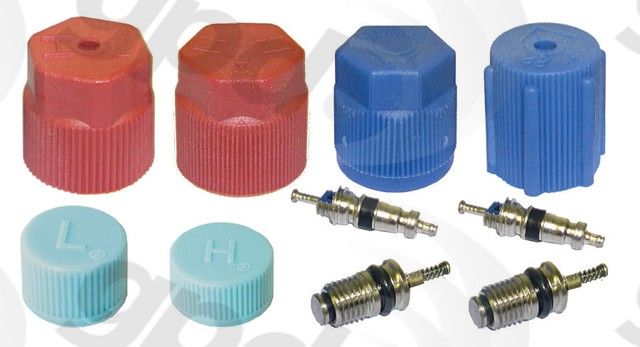
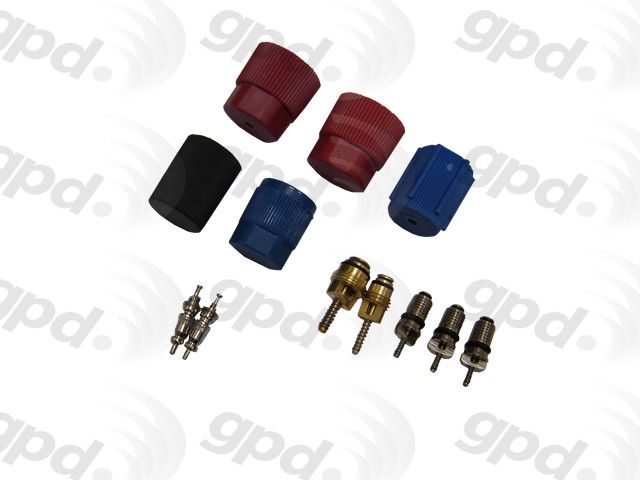
Yes. Always install the new caps that come in the kit. The cap is the primary seal that holds pressure and keeps dirt and moisture out of the system. A new core with an old, cracked, or missing cap will likely lead to future leaks.
Should I use a leak sealer product?
Most professional mechanics advise against using A/C stop-leak products. These sealants can clog not only the leak but also critical components like the expansion valve, orifice tube, or receiver/drier, leading to more expensive repairs down the road.
Technical Specifications
Kit typically includes high-side and low-side Schrader-type valve cores and sealing caps compatible with R134a refrigerant systems.
We Have This Part in Stock

The information in this article is provided for general reference and educational purposes only. Vehicle specifications, procedures, and part compatibility can vary by production date, trim level, and region. Always consult your vehicle's factory service manual and verify part numbers before purchasing or performing repairs. Safety-critical components such as airbags, seat belts, and braking systems should be installed by a qualified professional.
- Isuzu FSR: