

Ford Ranger Idle Air Control Valve: A Guide for 1995-2002 Models
Fix your Ranger's erratic idle, stalling, and surging by understanding and choosing the right Idle Air Control Valve.
- A rough, stalling, or high idle on a 1995-2002 Ranger is very often caused by a faulty IAC valve.
- Always check for vacuum leaks before replacing the IAC valve, as the symptoms are nearly identical.
- For best results and reliability, using an OEM Motorcraft or premium aftermarket brand like Hitachi is strongly recommended by other Ranger owners.
- Replacing the IAC valve is a very simple, 15-minute DIY job that only requires basic hand tools.
Is Your Ranger's Idle Acting Up? It Could Be the IAC Valve.

If your 1995-2002 Ford Ranger has started to idle roughly, stall when you come to a stop, or rev unpredictably, a failing Idle Air Control (IAC) valve is a very common culprit. This component gets clogged with carbon over time, causing it to stick or respond slowly. This guide will help you understand the symptoms, choose the right replacement part, and know what to expect from the repair.
Symptoms of a Failing IAC Valve on a Ford Ranger

A bad IAC valve can make your truck frustrating to drive, especially in stop-and-go traffic. Here are the most common signs:
- Rough or Bouncing Idle: The engine RPMs may jump up and down, making the truck shake or feel like it's about to stall.
- Stalling: The engine may die when you come to a stop, put the truck in gear, or when the A/C kicks on.
- High Idle: The engine might idle much faster than normal (e.g., over 1000 RPM), sometimes causing the truck to feel like it's pushing forward against the brakes.
- "Moose Call" or Howling Noise: Some owners report a strange howling or groaning sound from the engine bay at idle, which is a classic sign of a failing Ford IAC valve.
- Difficulty Starting: While less common, a completely failed IAC can sometimes make the engine hard to start without giving it some gas.
Check for Vacuum Leaks First!
Many symptoms of a bad IAC valve are identical to those of a vacuum leak. A cracked or disconnected vacuum hose can cause high or rough idle. Before spending money on a new valve, it's a good idea to inspect all vacuum lines connected to the intake manifold. A misdiagnosis can lead to replacing parts that are not broken.
Choosing the Right Aftermarket IAC Valve

When it comes to electronic engine parts for this generation of Ford Ranger, not all aftermarket brands are created equal. Forum discussions among Ranger owners frequently highlight issues with cheaper, off-brand IAC valves that may not work correctly or fail quickly. Some aftermarket valves are even built in a way that they operate opposite to the original design, causing persistent high idle issues.
Brand Tiers for Your Ranger
- Tier 1 (OEM & Premium Aftermarket): Motorcraft is the original Ford part and offers the best guarantee of proper function and longevity, but it is the most expensive option. Hitachi is also mentioned by owners as a reliable, high-quality alternative that often works as well as the original.
- Tier 2 (Reputable Aftermarket): Standard Motor Products (SMP) and Delphi are well-regarded brands in the industry that often serve as reliable alternatives to OEM parts. They generally offer a good balance of quality and price.
- Tier 3 (Value-Oriented): Brands like Holstein and True Tech fall into a more budget-friendly category. While they can be a cost-effective solution, owner experiences suggest a higher risk of out-of-the-box failure or a shorter service life compared to premium brands.
A Note on "Store Brands"
Parts from stores like AutoZone (Duralast) or Advance Auto Parts (Carquest) can be a viable option. However, be aware that the quality can sometimes be inconsistent. Many owners recommend sticking with Motorcraft or a known premium brand to avoid doing the job twice.
How Much Does It Cost to Replace a Ranger IAC Valve?
This is one of the more affordable and straightforward repairs you can do on your truck.
| Part / Service | Estimated Cost |
|---|---|
| New Aftermarket IAC Valve | $49 - $125 |
| New OEM (Motorcraft) IAC Valve | $80 - $150+ |
| Shop Labor | $50 - $100 |
| DIY Total | $49 - $125 |
| Shop Total | $100 - $250+ |
Frequently Asked Questions

Can I just clean my old IAC valve?
Yes, cleaning the IAC valve with carburetor or throttle body cleaner is a common practice and can sometimes temporarily fix the issue. You remove the valve and spray cleaner into the ports to remove carbon buildup, being careful not to get solvent into the electronic motor part. However, this is often a temporary fix. If the electronic components are failing, cleaning will not help, and the problem will likely return.
Is this a difficult repair to do myself?
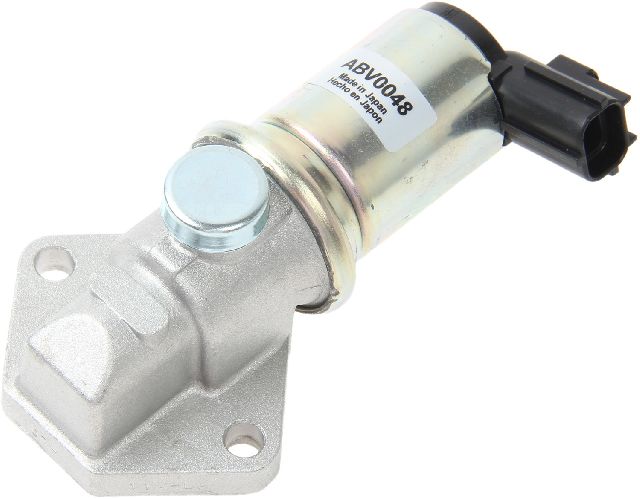
No, this is a very easy DIY job. The IAC valve is typically located on top of the engine's intake manifold and is held on by just two 8mm or 10mm bolts and an electrical connector. Most people with basic hand tools can replace it in under 15-20 minutes.
Are there any recalls or TSBs for this part?
Searches of the NHTSA database did not find any specific safety recalls for the Idle Air Control valve on the 1995-2002 Ford Ranger. A Technical Service Bulletin (TSB 03-3-5) was issued for 2000-2003 Rangers, providing diagnostic tips for idle concerns related to the IAC valve, but it does not indicate a widespread defect.
Do I need to disconnect the battery or do an idle relearn?
Yes, it is highly recommended. After installing the new IAC valve, you should disconnect the negative battery terminal for at least 15 minutes. This resets the engine computer's memory. After reconnecting the battery, start the truck and let it idle for several minutes to allow the computer to relearn the new valve's characteristics.
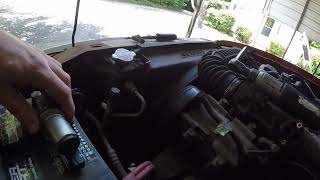
Helpful Videos
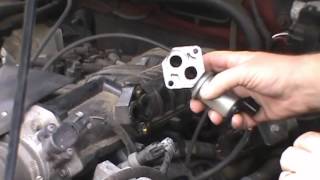
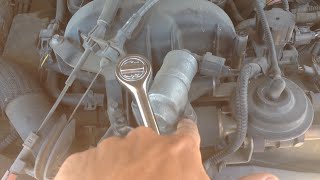
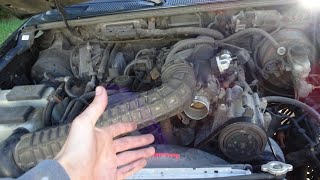
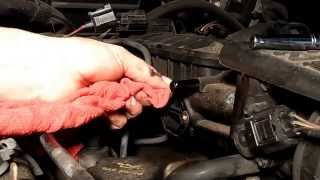
Technical Specifications
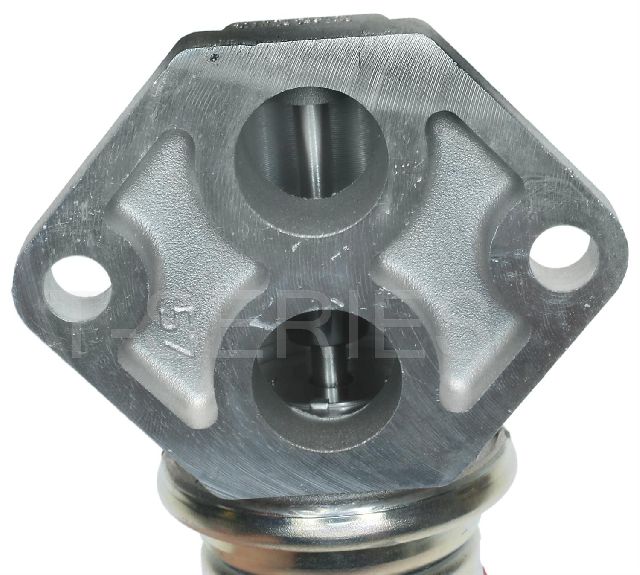
OEM Part Numbers: F77Z-9F715-AB F67Z-9F715-BA F67Z-9F715-BB CX1846 AC117
2-pin electrical connector, 2-bolt mounting flange. Always includes a new gasket for proper sealing.
We Have This Part in Stock


The information in this article is provided for general reference and educational purposes only. Vehicle specifications, procedures, and part compatibility can vary by production date, trim level, and region. Always consult your vehicle's factory service manual and verify part numbers before purchasing or performing repairs. Safety-critical components such as airbags, seat belts, and braking systems should be installed by a qualified professional.
- Ford Ranger: