

Ford E-150 Econoline (1995-2002) Transmission Range Sensor Guide
Fixing no-start conditions, erratic shifting, or a flashing OD light in your Econoline often starts with this critical sensor.
- A bad Transmission Range Sensor can prevent your E-150 from starting or cause dangerous shifting problems.
- Symptoms often include a no-start condition, a Check Engine Light (P0705), and no reverse lights.
- Quality aftermarket brands like Standard Ignition and Dorman offer reliable, cost-effective replacements.
- Replacement is a manageable DIY job for most owners, located on the driver's side of the transmission.
Is Your E-150 Econoline Showing Signs of a Bad Transmission Range Sensor?
A failing Transmission Range Sensor (TRS) on the 1995-2002 E-150 can cause a lot of confusion for both the driver and the van's computer. Because this sensor is mounted on the outside of the transmission, it's exposed to road grime and moisture, which can lead to failure over time. Recognizing the symptoms early can save you from a breakdown and a much bigger repair bill.
Common Failure Symptoms
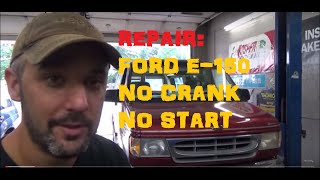
- No-Start Condition: The most common symptom. Your van refuses to crank, but the battery and starter are good. 🎬 Watch this video to troubleshoot a no-start, no-crank condition. This happens because the sensor isn't telling the computer it's safely in Park or Neutral.
- Starts in Any Gear: A dangerous situation where the van might start in Reverse or Drive, causing it to lurch unexpectedly.
- Erratic Shifting: The transmission may shift harshly, downshift for no reason, or feel like it's slipping between gears.
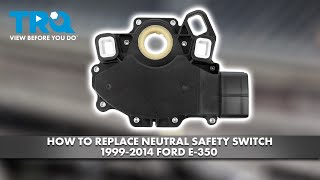
- Check Engine Light: A faulty TRS will often trigger a Check Engine Light. The most common trouble code is P0705, which indicates a circuit malfunction. 🎬 Watch how to diagnose and replace a sensor with these codes.
- Incorrect Gear Indicator: The gear selector on your dashboard (P, R, N, D) may not match the actual gear you've selected.
- No Reverse Lights: If your reverse lights don't come on when you shift into reverse, the TRS is a likely culprit.
Choosing the Right Aftermarket Sensor
For the 1995-2002 E-150, you don't need to pay dealership prices for a quality replacement. Aftermarket brands offer reliable parts that meet or exceed original specifications. Here’s a look at the available options.
| Brand Tier | Common Brands | Quality & Performance |
|---|---|---|
| Premium Aftermarket | Standard Ignition (Standard Motor Products) | Often considered a top-tier aftermarket choice. Standard parts are known for robust construction with copper alloy conductors and 100% performance testing to ensure reliability. They are a trusted choice for service professionals. |
| Standard Aftermarket | Dorman | Dorman provides a cost-effective solution that is designed to match the fit and function of the original part. While some users report variable quality on other Dorman parts, their TRS sensors are a popular, budget-friendly choice for many DIY repairs. |
Pro Tip: Check Your Connections First
Sometimes, the sensor itself is fine. A loose or corroded electrical connector can cause the exact same symptoms as a failed sensor. Before replacing the part, inspect the wiring harness and connector for any damage, clean the contacts with electronics cleaner, and apply dielectric grease to protect the new connection.
Cost of Replacing the Transmission Range Sensor
Replacing the TRS on your E-150 is a relatively inexpensive repair, especially if you do it yourself. The sensor is located on the driver's side of the transmission case, making it accessible without removing the transmission.
| Cost Category | Estimated Price Range |
|---|---|
| New Aftermarket Part | $57 - $95 |
| Shop Labor | $100 - $200 |
| Total Professional Repair | $157 - $295 |
Frequently Asked Questions
Can I replace the Transmission Range Sensor myself?
Yes, this is a very DIY-friendly job for someone with basic tools and a set of jack stands. 🎬 See this five-minute walkthrough for replacing the sensor yourself. The sensor is held on by two bolts and an electrical connector. The key is to ensure the new sensor is properly aligned before tightening it down. Many aftermarket sensors come with an alignment tool to make this easier.
What happens if I don't replace a bad TRS?
Ignoring a failing TRS can leave you stranded if the van won't start. More seriously, it can cause unpredictable shifting that puts extra strain on your transmission, potentially leading to much more expensive internal damage. If the sensor allows the van to start in gear, it poses a significant safety risk.
Are there any recalls for this part on my E-150?
As of now, there are no specific recalls for the Transmission Range Sensor on the 1995-2002 Ford E-150 Econoline. While Ford has issued recalls for similar sensors on other models and years, they do not apply to this specific vehicle range.
What's the difference between a TRS and a Neutral Safety Switch?
For this generation of Ford vans, the terms are often used interchangeably. The Transmission Range Sensor (TRS) is the more modern term for the component that incorporates the functions of the older Neutral Safety Switch (which only prevented starting in gear) and also reports the full range of gear positions to the computer.
Helpful Videos

Technical Specifications
OEM Part Numbers: F5AZ-7A247-A F5AP-7F293-AA F7TZ-7A247-AA
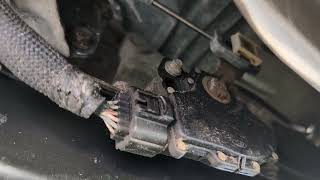
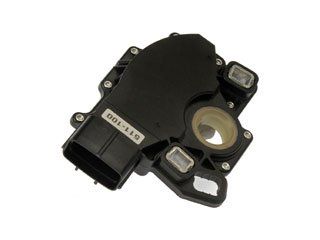
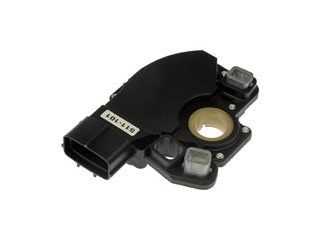
Located on the driver's side of the transmission, connected to the manual shift lever shaft. It features a multi-pin electrical connector that communicates with the Powertrain Control Module (PCM).
We Have This Part in Stock


The information in this article is provided for general reference and educational purposes only. Vehicle specifications, procedures, and part compatibility can vary by production date, trim level, and region. Always consult your vehicle's factory service manual and verify part numbers before purchasing or performing repairs. Safety-critical components such as airbags, seat belts, and braking systems should be installed by a qualified professional.
- Ford E-150 Econoline: