

Chevrolet Blazer Hazard and Turn Signal Flasher Guide (1995-2001)
Fix your Blazer's turn signal and hazard light problems with the right replacement flasher.
- The hazard flasher and turn signal flasher are the same part on 1995-2001 Blazers.
- Location differs by year: under the dash for 1995-97, and behind the glove box for 1998-01.
- A recall on the multifunction switch on 2000-01 models can cause similar symptoms and should be investigated.
- An aftermarket flasher from a brand like Standard Ignition is a reliable and affordable repair option.
Is Your Blazer's Flasher Failing? Common Symptoms

A bad hazard flasher relay can cause confusing electrical issues. Because it controls two different lighting systems, the symptoms can vary. Look out for these common signs of failure:
- No Turn Signals or Hazards: The most obvious symptom is when your turn signals or hazard lights don't turn on at all.
- Lights Stay On (No Flash): The turn signal or hazard lights illuminate but do not flash.
- Rapid Flashing (Hyperflash): The lights blink much faster than normal. This often happens if a bulb has burned out, but it can also be a sign of a failing flasher, especially if you have installed LED lights.
- Left Turn Signal Activates Hazards: A strange but common issue on these GM trucks is when activating the left turn signal causes all four lights to flash as if the hazards are on.
- Works in One Mode but Not the Other: Your turn signals might work perfectly, but the hazard lights are dead, or vice-versa. This can happen because the flasher is powered by two separate fuses.
Important Recall Information: Multifunction Switch
For 2000-2001 Chevrolet Blazers, GM issued a safety recall (NHTSA ID: 01V364, updated by 08V231) for a defective multifunction switch, which is the assembly that includes your turn signal stalk and hazard button. A fault in this switch could cause the hazard lights and brake lights to stop working completely. Before replacing your flasher relay, check if your vehicle was part of this recall. If the symptoms match, the problem may be the switch itself, 🎬 Watch this guide to diagnose a faulty multifunction switch. not the flasher relay.
Choosing the Right Aftermarket Flasher

When shopping for a new flasher, you don't necessarily need to buy an expensive OEM part. A quality aftermarket brand like Standard Ignition is a reliable and cost-effective choice for this component. Standard Ignition parts are manufactured to meet quality certifications and are a common choice for professional repairs.
The most important factor is getting the correct part for your Blazer's specific year. The location and type of flasher changed during this generation.
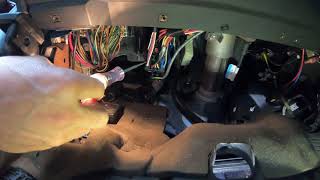
- For 1995-1997 Blazers: The flasher is usually located under the dashboard, below the radio and to the left of the ashtray. 🎬 Watch this video to find the flasher on mid-90s models. You will need to remove the lower dash panel to access it.
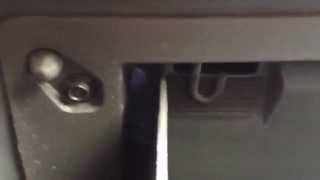
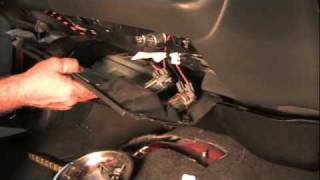
- For 1998-2001 Blazers: The flasher is located behind the glove box. To access it, you simply open the glove box, release a retaining tab, and let it swing all the way down. The flasher is often held in place by a distinctive green plastic strap. 🎬 See how to access the flasher behind the glove box.
Always confirm the pin count (e.g., 2-pin or 4-pin) of your old flasher before purchasing a new one.
Cost of Replacing Your Hazard Flasher
| Part Type | Estimated Cost |
|---|---|
| New Aftermarket (Standard Ignition) | $10.43 - $30.57 |
| New OEM (GM Genuine) | $40 - $60 |
| Shop Labor | $60 - $120 |
Frequently Asked Questions

Can I replace the hazard flasher myself?
Yes, this is a very DIY-friendly job. The part itself just plugs in. The only challenge is removing the lower dash panel (1995-1997 models) or dropping the glove box (1998-2001 models), which only requires basic hand tools like a 7mm socket and possibly some Torx drivers. The entire job can usually be done in under an hour.
My turn signals started flashing fast after I installed LED bulbs. Is the flasher bad?
Not necessarily. This is called "hyperflash." Standard thermal flashers are designed to work with the electrical resistance of incandescent bulbs. LEDs use much less power, and the flasher interprets this as a burned-out bulb, causing it to flash quickly. To fix this, you need to install an "electronic" or "LED-compatible" flasher relay that is not load-dependent. Standard Ignition and other brands offer these specific types.
My hazards work but my turn signals don't. Is it still the flasher?
It is very likely the flasher. The flasher unit gets power from two separate fuses: one for the turn signals (powered when the key is on) and one for the hazards (powered all the time). Before replacing the flasher, check your fuse box for a blown "TURN" or "SIGNAL" fuse. If the fuse is good, the flasher relay is the next most likely culprit.
How do I know if my problem is the flasher or the recall-related multifunction switch?
The symptoms can overlap. However, the recall specifically mentions a loss of both hazard lights and brake lights. If your brake lights are also not working, the multifunction switch is a strong possibility. If your brake lights work fine but your turn signals or hazards are acting up, the flasher relay is a more probable cause. You can also try wiggling the hazard switch on the steering column; if the lights flicker or start working, it points to a bad switch.
Helpful Videos
Technical Specifications
OEM Part Numbers: 15764135 10383321 12193603
Typically a 12-volt, 2-pin or 4-pin electronic flasher relay. Pin configuration varies by model year and options.
We Have This Part in Stock


The information in this article is provided for general reference and educational purposes only. Vehicle specifications, procedures, and part compatibility can vary by production date, trim level, and region. Always consult your vehicle's factory service manual and verify part numbers before purchasing or performing repairs. Safety-critical components such as airbags, seat belts, and braking systems should be installed by a qualified professional.
- Chevrolet Blazer: