

Accessory Drive Belt Guide for the 1995-2000 Freightliner FLC112
Keep your rig's essential systems running by choosing the right accessory drive belt.
- A failing belt is a critical issue; if you notice symptoms like squealing, heavy steering, or overheating, pull over immediately.
- Stick with trusted aftermarket brands like Gates, Continental, or Dayco for heavy-duty applications to ensure reliability.
- Always verify the correct belt length for your specific engine and accessory configuration before purchasing.
- For maximum reliability, it is best practice to replace the belt tensioner and inspect idler pulleys when you replace the belt.
Signs of a Failing Accessory Drive Belt
On a heavy-duty truck like the FLC112, the accessory drive belt is under constant stress. It's important to inspect it regularly and recognize the signs of wear before it fails completely. A sudden failure on the road can lead to a loss of vehicle control and leave you stranded. Pay attention to these warning signs:
- Noises: A high-pitched squeal or a persistent chirp, especially at high RPMs or when starting the engine, is a common sign of a worn, loose, or misaligned belt.
- Visible Damage: Look for cracks, frayed edges, missing ribs, or a shiny, glazed appearance on the belt's surface. Any visible damage means the belt's integrity is compromised and it should be replaced.
- System Malfunctions: If your battery isn't charging (indicated by a warning light), the power steering feels heavy, or the engine temperature starts to rise, it could be caused by a slipping or failing belt.
Do Not Ignore a Failing Belt
A broken accessory drive belt will cause an immediate loss of power steering, which is extremely dangerous in a heavy truck. The engine will also begin to overheat rapidly due to the water pump stopping, which can lead to catastrophic engine damage. If you suspect your belt is failing, pull over safely as soon as possible.
Choosing the Right Aftermarket Belt
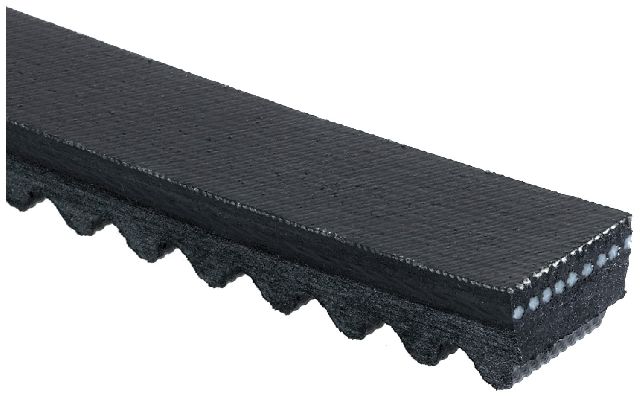
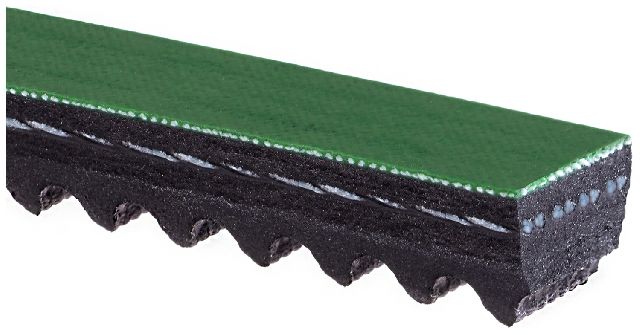
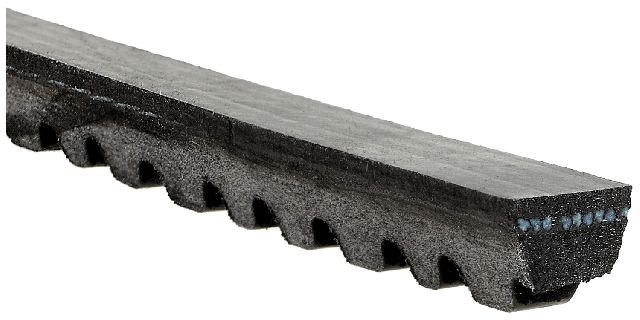
For a 1995-2000 Freightliner FLC112, OEM parts can be difficult to find. Fortunately, the aftermarket offers excellent, high-quality options that meet or exceed original specifications. The key is to choose a reputable brand known for durability in heavy-duty applications. These belts are typically made from EPDM rubber, which resists heat, oil, and cracking better than older neoprene materials.
Brand Quality Tiers
Based on reviews from mechanics and truck owners, the available brands fall into a generally high-quality tier, with some standing out for heavy-duty use.
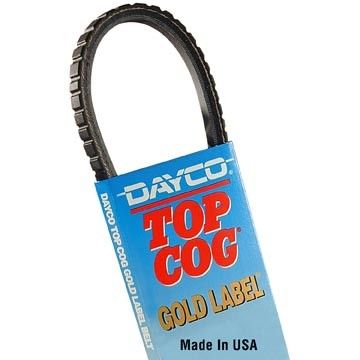
- Premium Heavy-Duty Brands (Gates, Continental, Dayco): These brands are consistently recommended for heavy-duty truck applications. Gates is well-regarded for its quality and durability across all vehicle types. Continental (which now produces the former Goodyear Gatorback belts) and Dayco are also considered top-tier OEM and aftermarket suppliers known for long life and quiet operation. You can trust belts from any of these manufacturers for reliable service.
- Quality Aftermarket (ACDelco): While often associated with General Motors vehicles, ACDelco produces high-quality professional-grade belts for a wide range of applications, including heavy trucks. They are a reliable choice for your Freightliner.
Accessory Drive Belt Cost for 1995-2000 Freightliner FLC112
| Item | Estimated Cost |
|---|---|
| New Aftermarket Belt | $8.43 - $77.79 |
| Shop Labor | $100 - $200 |
Note: Costs are estimates and can vary based on your specific engine configuration, location, and the repair shop. The wide price range for the part reflects the variety of belt lengths and heavy-duty ratings available.
Frequently Asked Questions
Are there any recalls for the FLC112 accessory drive belt?
As of early 2026, there are no specific recalls or technical service bulletins (TSBs) from the NHTSA for the accessory drive belt on the 1995-2000 Freightliner FLC112. This is a standard maintenance part, and issues are typically addressed through regular inspection and replacement.
Why is there such a big price difference in belts?
The price for an accessory drive belt can vary widely based on several factors. The most significant is the belt's length and construction. The FLC112 was available with different engines and accessory configurations (like with or without A/C), which require different length belts. Additionally, heavy-duty versions of belts, designed for higher torque and longer life, often cost more than standard-duty belts.
Can I replace the accessory drive belt myself?
For a mechanic with experience working on heavy trucks, this is a relatively straightforward job. The main tool required is a long breaker bar or ratchet to release the tension from the belt tensioner. However, access can be tight, and it's crucial to route the new belt correctly. If you are not familiar with the process, it is best to have a qualified mechanic perform the replacement to ensure it's done safely and correctly.
Should I replace the tensioner at the same time as the belt?
It is highly recommended. The belt tensioner is responsible for keeping the correct amount of tension on the belt. The spring inside it can weaken over time, leading to belt slippage and noise. Replacing the belt and tensioner (and any worn idler pulleys) at the same time is a cost-effective way to ensure the entire drive system is reliable. Many brands sell kits that include the belt, tensioner, and pulleys.
Technical Specifications
OEM Part Numbers: 01-24730-004
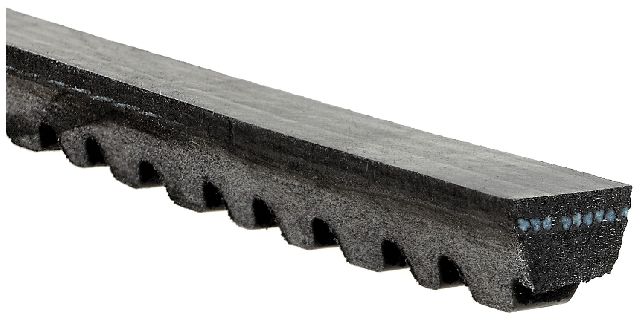
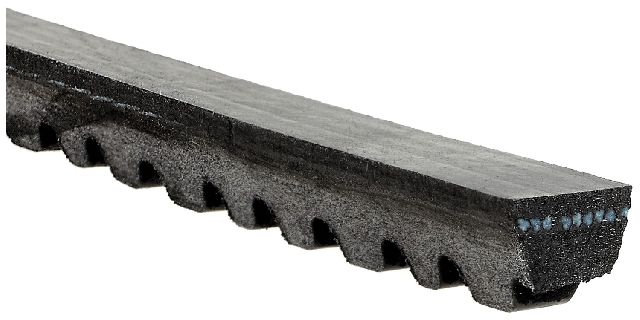
Accessory drive belts for the FLC112 are multi-rib (poly-v) belts made from EPDM material. The exact length, rib quantity (e.g., 6-rib, 8-rib), and part number vary significantly based on the specific engine (e.g., Caterpillar, Cummins, Detroit Diesel) and accessories installed. Always confirm the required specifications for your truck's VIN or by measuring the existing belt. For example, one common cross-reference is for an 8-rib, 1813mm belt.
We Have This Part in Stock

The information in this article is provided for general reference and educational purposes only. Vehicle specifications, procedures, and part compatibility can vary by production date, trim level, and region. Always consult your vehicle's factory service manual and verify part numbers before purchasing or performing repairs. Safety-critical components such as airbags, seat belts, and braking systems should be installed by a qualified professional.
- Freightliner FLC112: