

Ford Ranger (1995-2000) Engine Crankshaft Position Sensor Guide
Everything a Ranger owner needs to know about a failing crankshaft sensor and how to choose the right replacement.
- A failing crankshaft sensor is a common issue that can prevent your Ranger from starting or cause it to stall.
- For this critical part, it's highly recommended to use an OEM Motorcraft part or a premium aftermarket brand like Delphi or NGK to ensure reliability.
- Replacement is a DIY-friendly job for most owners, typically taking less than an hour with basic tools.
- The most common trouble code associated with this failure is P0335.
Understanding the Crankshaft Position Sensor in Your Ranger

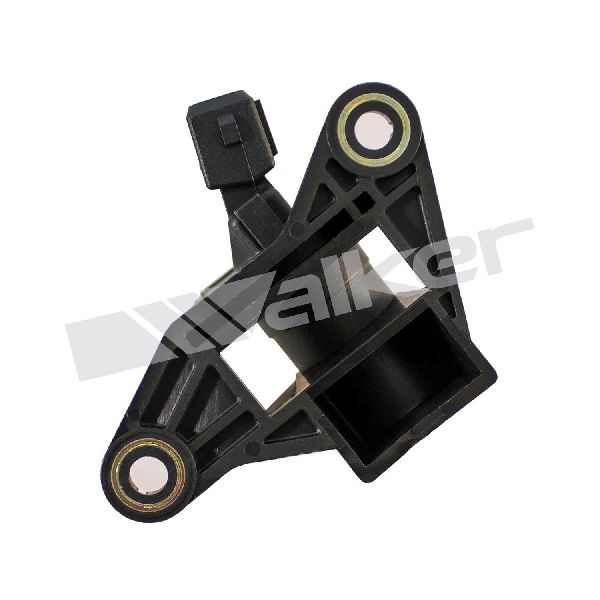
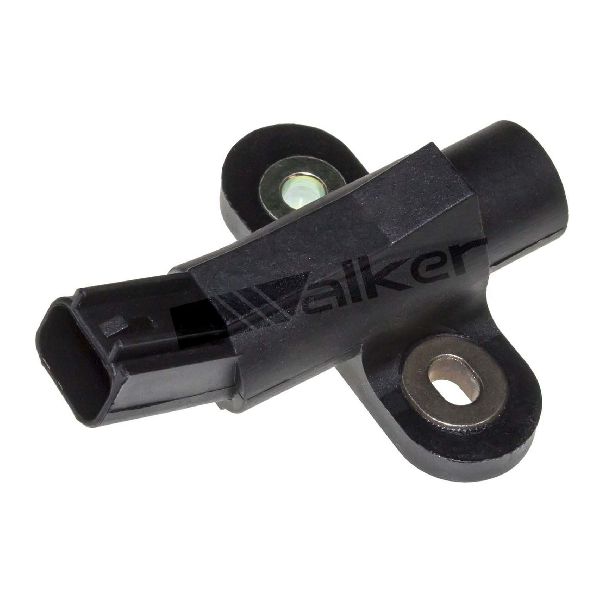
If your 1995-2000 Ford Ranger is suddenly stalling, having trouble starting, or running rough, a bad crankshaft position sensor could be the culprit. This small sensor plays a huge role in how your engine performs. It reads the movement of the crankshaft and sends that data to the main computer. This signal is essential for the computer to time the spark from your spark plugs and the spray from your fuel injectors. When the sensor fails, the computer is flying blind, leading to significant engine problems.
Is It Hard to Replace a Ranger Crankshaft Sensor?

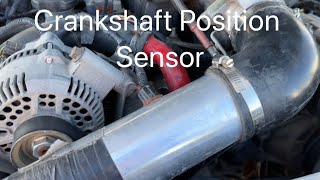
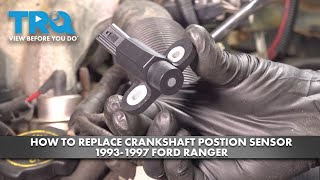
For most 1995-2000 Ford Rangers, replacing the crankshaft position sensor is a straightforward job that a DIY mechanic can handle. The sensor is usually located on the front of the engine, near the main crankshaft pulley. On the 4.0L V6, for example, it's on the passenger side of the crank pulley and held in by two 8mm bolts. On the 2.3L and 2.5L 4-cylinder engines, it's in a similar spot at the front of the engine. Access can be a little tight, and you may need to remove the air intake tube or fan shroud for a better view, but it typically doesn't require special tools beyond a basic socket set. The part itself is usually held on by one or two bolts.
Pro Tip: Check the Connector
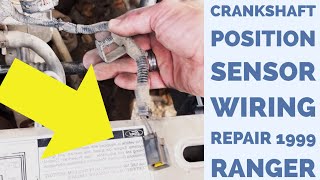
When replacing the sensor, always inspect the wiring connector. The plastic can become brittle over time and break. If the locking tab is broken, the connector can vibrate loose, causing the same symptoms as a failed sensor. It's also a good idea to clean the mounting surface before installing the new part.
Choosing the Right Aftermarket Sensor: Brand Matters

When it comes to critical electronic parts like the crankshaft sensor, not all brands are created equal. While a lower price is tempting, a cheap sensor that fails can leave you stranded and frustrated.
- Premium Aftermarket (e.g., Motorcraft, Delphi, NGK/NTK, Standard Ignition): Motorcraft is Ford's original equipment (OE) brand and is the benchmark for quality and fit. Brands like Delphi, NGK/NTK, and Standard Motor Products (SMP) are well-regarded OEM suppliers and top-tier aftermarket manufacturers. They often provide reliability that is very close to, or the same as, the original part. For a critical sensor that can stop your truck from running, spending a little more on one of these brands is a wise investment.
- Economy Aftermarket (e.g., Dorman, Store Brands): Brands like Dorman and various store-exclusive brands offer a more budget-friendly option. While they can be a cost-effective solution, forum discussions suggest their quality can be inconsistent for electronic sensors. A part might work perfectly, or it could be dead on arrival or fail prematurely. If the truck is a secondary vehicle or you're on a tight budget, this might be an option, but be aware of the potential risk.
OEM vs. Aftermarket: A Mechanic's Advice
For a part this critical, most experienced mechanics recommend using either the OEM Motorcraft sensor or a top-tier aftermarket brand like NGK or Delphi. The small amount of money saved on an economy sensor isn't worth the risk of it failing and leaving you with a truck that won't start.
Known Issues, Recalls, or TSBs
As of early 2026, there are no specific recalls or widespread Technical Service Bulletins (TSBs) from Ford or the NHTSA directly concerning the crankshaft position sensor for the 1995-2000 Ford Ranger. Failures are typically due to age, heat, and normal wear and tear.
Frequently Asked Questions (FAQ)

What's the difference between a crank sensor and a cam sensor?
The crankshaft sensor tracks the position of the crankshaft (bottom end of the engine), while the camshaft sensor tracks the position of the camshaft (top end of the engine). The crank sensor is primary for ignition timing. On some Ranger engines, a failing cam sensor will cause poor fuel economy but the truck will still run, whereas a failed crank sensor will often result in a no-start condition.
Can I drive my Ranger with a bad crankshaft sensor?
It is not recommended. A failing sensor can cause the engine to stall unexpectedly at any time, which is a major safety risk, especially in traffic or at high speeds. If the sensor fails completely, the engine will not start at all.
Do I need a special tool or a 'relearn' procedure after replacing the sensor?
For the 1995-2000 Ford Ranger, a specific relearn procedure is not typically required after replacing the crankshaft position sensor. Some newer or different vehicles may require one, but for this generation of Ranger, it's usually a plug-and-play replacement.
Will a bad crank sensor always trigger a Check Engine Light?
Usually, but not always. A complete failure will almost certainly trigger a Check Engine Light with a code like P0335. However, an intermittent failure, where the sensor is just starting to go bad, might cause stalling or rough running without immediately setting a code.
Helpful Videos

Technical Specifications
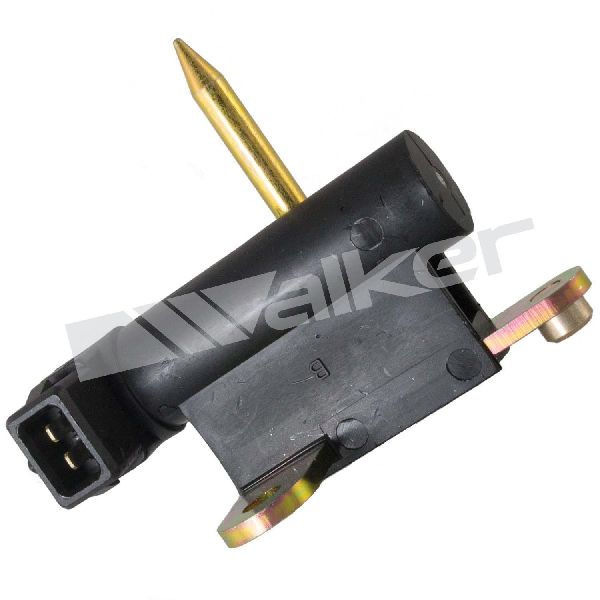
OEM Part Numbers: DY-922
The sensor is a magnetic hall-effect type sensor that generates a digital square wave signal as the crankshaft's reluctor wheel passes by it. It is typically mounted on the front of the engine block, reading teeth on the harmonic balancer or a dedicated tone ring.
We Have This Part in Stock


The information in this article is provided for general reference and educational purposes only. Vehicle specifications, procedures, and part compatibility can vary by production date, trim level, and region. Always consult your vehicle's factory service manual and verify part numbers before purchasing or performing repairs. Safety-critical components such as airbags, seat belts, and braking systems should be installed by a qualified professional.
- Ford Ranger: