

Ford Ranger Engine Coolant Temperature (ECT) Sensor Guide: 1995-2000
Running rich, getting bad gas mileage, or have a check engine light? Your ECT sensor might be the problem.
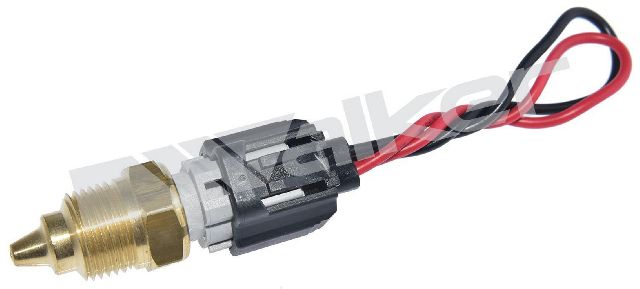
- Your Ranger has two temperature units: a two-wire SENSOR for the engine computer and a one-wire SENDER for the dash gauge. This guide is for the two-wire sensor.
- A bad ECT sensor primarily causes poor engine performance, like bad gas mileage and black smoke, and will turn on the check engine light.
- For guaranteed accuracy, Motorcraft (OEM) is the best choice. Premium aftermarket brands like Delphi and Standard Ignition are reliable, cost-effective alternatives.
- Replacement is simple, requiring basic tools and less than an hour. The sensor is located near the thermostat housing on all 1995-2000 engines.
Is it a Sensor or a Sender? A Critical Distinction for Your Ranger

Before buying a part, it's crucial to know that 1995-2000 Ford Rangers use two different components to read coolant temperature. Getting the wrong one is a common mistake.
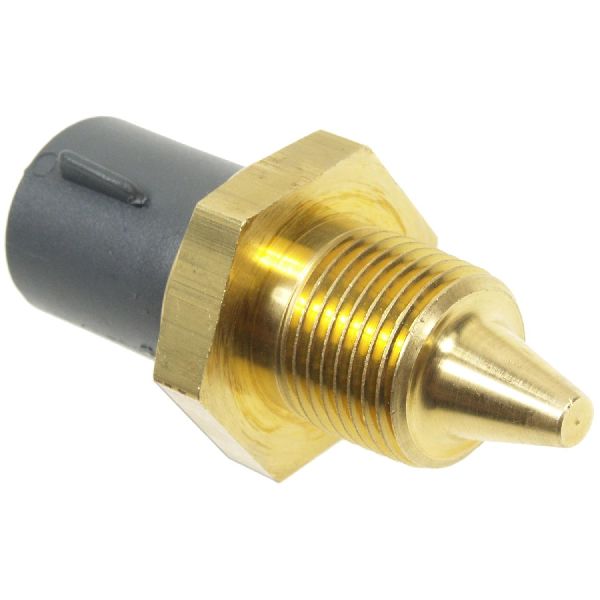
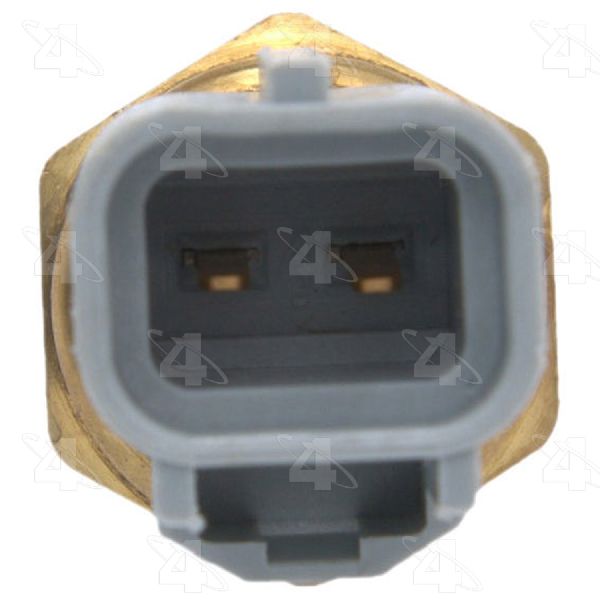
- Engine Coolant Temperature (ECT) Sensor: This has a two-wire connector. It communicates exclusively with the engine computer (PCM) to control engine performance. A failure here will trigger a check engine light and cause running issues. This is the part covered in this guide.
- Coolant Temperature Sender: This has a single-wire connector. Its only job is to operate the temperature gauge on your instrument panel. A failure here will cause your gauge to read incorrectly or not at all, but it will not affect engine performance or trigger a check engine light.
Symptoms of a Failing ECT Sensor

When the ECT sensor fails, it sends incorrect data to the engine computer, leading to noticeable problems. The computer might think the engine is permanently cold or hot, regardless of its actual temperature. Look for these signs:
- Poor Fuel Economy: If the sensor incorrectly tells the PCM the engine is cold, the computer will continuously inject extra fuel, hurting your gas mileage.
- Black Smoke from Exhaust: A very rich fuel mixture from a bad sensor signal can result in unburned fuel exiting through the exhaust, creating black smoke.
- Check Engine Light: The PCM will log a fault code and illuminate the check engine light when it detects a signal from the ECT sensor that is out of range. Common codes include P0117, P0118, and P0125.
- Hard Starting or Stalling: An incorrect temperature reading can make it difficult to start the engine, especially when cold, because the fuel mixture isn't right for the conditions.
- Engine Overheating or Rough Idle: In some cases, a faulty sensor can disrupt the proper engine adjustments, leading to poor idling or even contributing to overheating conditions.
Gauge vs. Performance
Remember, an erratic or dead temperature gauge on your dash points to a bad sender, not the ECT sensor. If you have performance issues and a check engine light, the sensor is the likely culprit.
Choosing the Right Aftermarket Sensor

While many brands are available, their quality and accuracy can vary. For a critical part like the ECT sensor, choosing a reliable option can save you from future headaches.
OEM (Motorcraft)
The original part from Ford is Motorcraft. Mechanics and forum users often recommend sticking with Motorcraft for electronic sensors to ensure perfect compatibility and accurate temperature readings. They are typically made from high-quality brass and are calibrated exactly for your Ranger's engine. This is the safest, most reliable choice.
Premium Aftermarket Brands (e.g., Delphi, Standard Ignition)
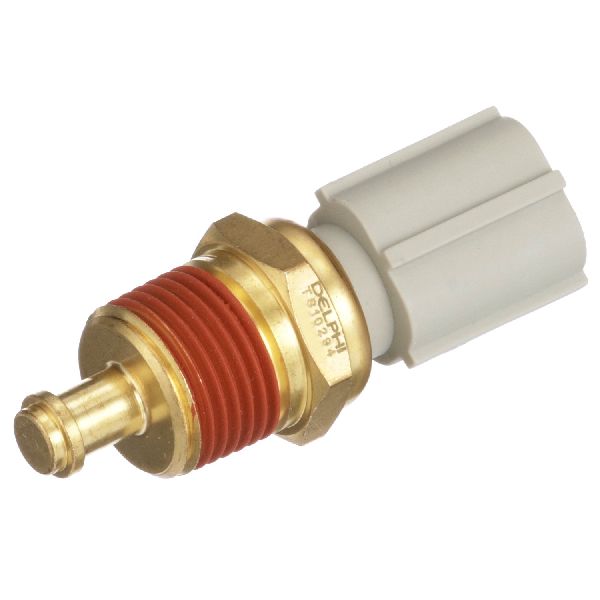
Brands like Delphi and Standard Motor Products (SMP) have a strong reputation for producing parts that meet or exceed original equipment specifications. Delphi, for example, highlights its OE heritage and rigorous testing. These brands are excellent alternatives to OEM, often providing similar quality at a better price.
Standard / Budget Brands (e.g., Four Seasons, Walker Products, True Tech)
These brands offer a cost-effective solution and are widely available. While they can function correctly, they carry a higher risk of being improperly calibrated, which can still cause minor fuel and timing issues. Some user reviews for even reputable aftermarket brands occasionally report inaccurate readings, so while they are a viable budget option, they may not offer the same long-term reliability as OEM or premium brands.
| Part Tier | Typical Price Range | Our Take |
|---|---|---|
| New OEM (Motorcraft) | $40 - $70 | The most reliable, guaranteed-to-work option. Recommended for peace of mind. |
| New Premium Aftermarket | $20 - $40 | Excellent value. Offers quality very close to OEM from trusted brands like Delphi and Standard Ignition. |
| New Standard Aftermarket | $12 - $25 | A budget-friendly choice that works for most, but carries a small risk of calibration issues or shorter lifespan. |
Known Issues for 1995-2000 Ford Ranger

A Technical Service Bulletin (TSB 00-20-5) was issued for 1995-2000 Rangers with the 4.0L engine for an issue causing temperature gauge fluctuation and a thumping or knocking sound from the cooling system. This was caused by steam pockets forming. While the fix involves a coolant by-pass kit, the diagnostic procedure includes verifying the ECT sensor signal is correct, showing the importance of this sensor in the overall system health.
Installation Tip
The ECT sensor is threaded into the engine. When replacing it, a small amount of coolant will leak out. Have the new sensor ready to thread in quickly to minimize coolant loss. It's also a good idea to check and top off your coolant after the job is done.
Frequently Asked Questions (FAQ)
Where is the ECT sensor located on my Ranger?
The location varies by engine, but it's always threaded into a coolant passage near the top of the engine. It will have a two-wire connector. For the 2.3L/2.5L 4-cylinder and the 3.0L/4.0L V6 engines in this year range, it is typically found on or near the thermostat housing at the front of the engine.
Can I replace this sensor myself?
Yes, this is a very DIY-friendly job. It usually requires only basic hand tools, such as a deep socket (often 19mm or 3/4 inch) and a ratchet. The job can typically be completed in under 30 minutes.
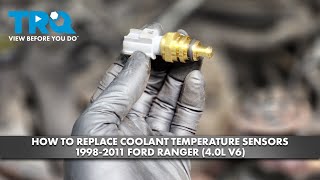
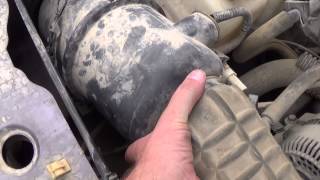
🎬 Watch: Step-by-step ECT sensor replacement for 4.0L V6 engines.What do the codes P0117 and P0118 mean?
These are the most common codes for a failed ECT sensor. P0117 (Circuit Low) means the computer sees a signal indicating an extremely high temperature, often caused by a shorted wire or sensor. P0118 (Circuit High) means the computer sees a signal indicating an extremely low temperature (like -40°F), often caused by an unplugged or broken wire.
🎬 See this expert breakdown of P0117 and P0118 diagnostic codes.Do I need to use thread sealant on the new sensor?
Many new sensors come with a thread sealant pre-applied. If yours does not, it is a good practice to apply a small amount of Teflon tape or liquid thread sealant to the threads to prevent leaks. However, avoid getting any sealant on the tip of the sensor itself.
Helpful Videos
Technical Specifications
OEM Part Numbers: 3F1Z12A648A F5AZ12A648A F5AF12A648AA DY1144 DY719
Connector Type: 2-Pin Female, Mounting Type: Thread-In
We Have This Part in Stock


The information in this article is provided for general reference and educational purposes only. Vehicle specifications, procedures, and part compatibility can vary by production date, trim level, and region. Always consult your vehicle's factory service manual and verify part numbers before purchasing or performing repairs. Safety-critical components such as airbags, seat belts, and braking systems should be installed by a qualified professional.
- Ford Ranger: