

A Practical Guide to the 1995-1999 Mitsubishi Eclipse Oxygen Sensor
Restore power, improve gas mileage, and clear that check engine light on your 2G Eclipse.
- For best results and to avoid repeat repairs, use Denso or NGK/NTK brand sensors, as they were the original suppliers for your Eclipse.
- Your Eclipse has two sensors: an upstream (front) sensor for fuel control and a downstream (rear) sensor for emissions monitoring.
- Replacing a bad oxygen sensor is a DIY-friendly job that can restore lost fuel economy and engine performance.
- Avoid using Bosch sensors on this specific vehicle, as many owners report compatibility issues with the stock ECU.
Is Your Eclipse's Oxygen Sensor Failing?
A bad oxygen sensor can cause problems that you'll definitely notice. The most obvious sign is the check engine light on your dashboard. You might also experience a significant drop in fuel economy, a rough idle, or hesitation when you accelerate. Some owners report smelling gasoline or a 'rotten egg' odor from the exhaust, which is a sign the engine is running too rich. In some cases, you might even see black smoke from the tailpipe. Ignoring these symptoms can lead to failed emissions tests and, over time, can even damage your expensive catalytic converter.
Don't Ignore the Check Engine Light
A check engine light for an O2 sensor code means the sensor has failed or is detecting a problem with the air-fuel mixture. While the car is often drivable, you are losing performance, wasting fuel, and potentially damaging other components.
Choosing the Right Aftermarket O2 Sensor for Your Eclipse
When it comes to a 2G Eclipse, not all aftermarket oxygen sensors are created equal. The engine computer in these cars can be sensitive, and using the right brand is critical to actually fixing the problem. Based on years of owner feedback in forums, there is a clear preference.
Tier 1: OEM-Equivalent (Highly Recommended)
Brands: Denso, NGK (also known as NTK)
Mitsubishi used Denso and NTK as the original equipment manufacturers for the 1995-1999 Eclipse. This makes them the best possible choice for a replacement. They are designed to work perfectly with your car's computer, providing the correct readings and response time. Spending a little more on a Denso or NGK sensor is the most reliable way to ensure you fix the problem correctly the first time. Enthusiast communities for the 2G Eclipse strongly recommend sticking with these two brands.
Tier 2: Reputable Aftermarket (Use with Caution)
Brands: Bosch, Delphi
Bosch is a huge name in auto parts, but owner experiences with their oxygen sensors on the 2G Eclipse are very mixed. Many forum members report that Bosch sensors can fail prematurely or not solve the check engine light issue on Japanese vehicles. The general consensus is that the Eclipse's computer prefers the specific signal from Denso or NTK sensors. While a Bosch sensor might work, it carries a higher risk of not being compatible compared to the OEM-equivalent brands.
Tier 3: Budget Brands
Brands: DriveWire, Spectra, Walker Products
These brands offer the most affordable oxygen sensors. While they are a budget-friendly option to get your car running, their long-term reliability and performance may not match the higher-tier brands. If your budget is tight, they are an option, but if you can afford it, a Denso or NGK sensor is a much safer investment for your Eclipse.
Pro Tip: Direct-Fit vs. Universal
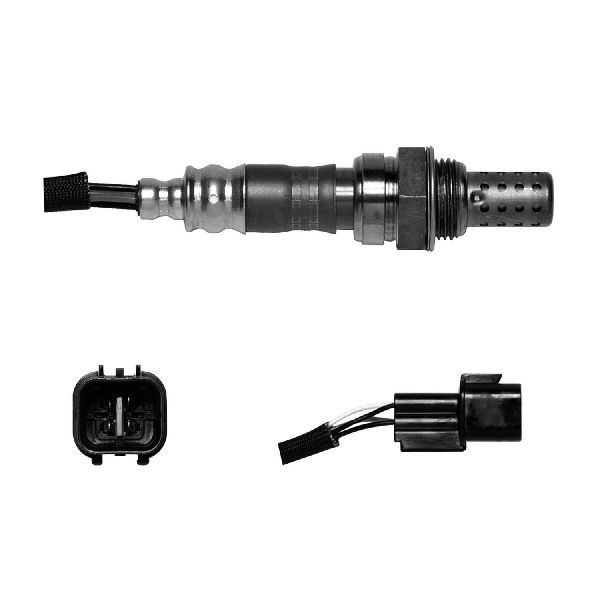
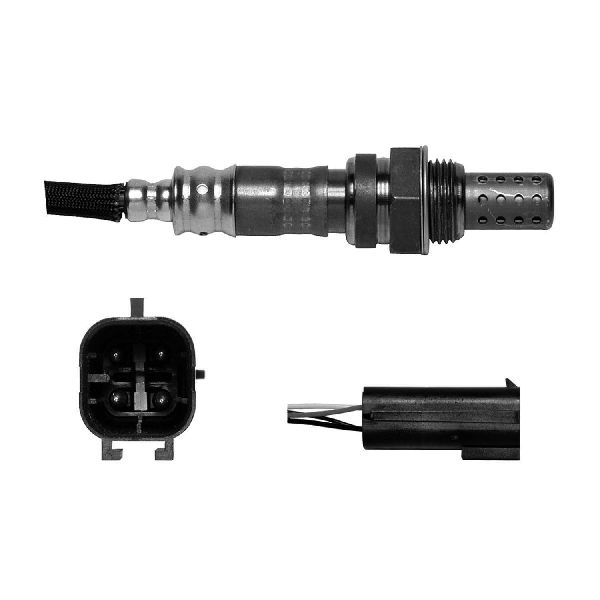
Always choose a "direct-fit" sensor. These come with the correct plug for your Eclipse and require no wire cutting. A "universal" sensor requires you to splice wires, which can create a point of failure and is not recommended.
How Much Does an O2 Sensor Replacement Cost?
The cost depends on the brand you choose and whether you do the work yourself. The job is DIY-friendly for those with basic tools.
| Item | Estimated Cost |
|---|---|
| New Aftermarket O2 Sensor | $25 - $110 |
| Shop Labor | $60 - $120 per sensor |
| Total Professional Replacement | $85 - $230 per sensor |
Frequently Asked Questions
How many oxygen sensors does my 1998 Eclipse have?
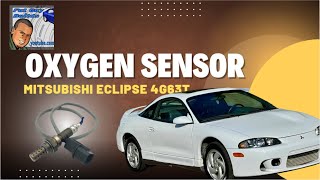
All 1995-1999 Mitsubishi Eclipse models with either the 2.0L turbo (4G63T) or non-turbo 🎬 Watch: Step-by-step 4G63T oxygen sensor replacement guide (420A) engine have two oxygen sensors. One is the upstream (front) sensor and the other is the downstream (rear) sensor.
What's the difference between an upstream and downstream sensor?
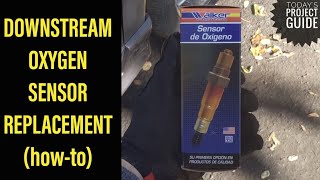
The upstream (or front) sensor is located before the catalytic converter and is used by the engine computer to control the air-fuel ratio. The downstream (or rear) sensor is after the catalytic converter and its job is to monitor the converter's health and efficiency. 🎬 See how to replace the downstream sensor on a 2G DSM The upstream sensor is the one that most affects how your engine runs.
🎬 Watch this walkthrough for replacing the upstream sensorWhat tools do I need to replace an O2 sensor?
You will need a special O2 sensor socket, which is a deep socket with a cutout for the wire, or a 22mm (7/8") wrench. These sensors can be very tight, so a good amount of penetrating oil and a breaker bar might be necessary.
What are common O2 sensor error codes for my Eclipse?
Common codes include P0131 (Upstream Sensor Low Voltage), P0133 (Upstream Sensor Slow Response), P0135 (Upstream Sensor Heater Fault), and P0136 (Downstream Sensor Fault). These codes point directly to a problem with the oxygen sensor circuit or the sensor itself.
Can I clean my old oxygen sensor?
While some people attempt to clean them, it is not a reliable or recommended fix. The sensing elements become contaminated and worn out internally over time. Replacement is the only sure way to restore proper function.
Helpful Videos
Technical Specifications
OEM Part Numbers: MD313819 (Front, Turbo) MD185335 (Rear)
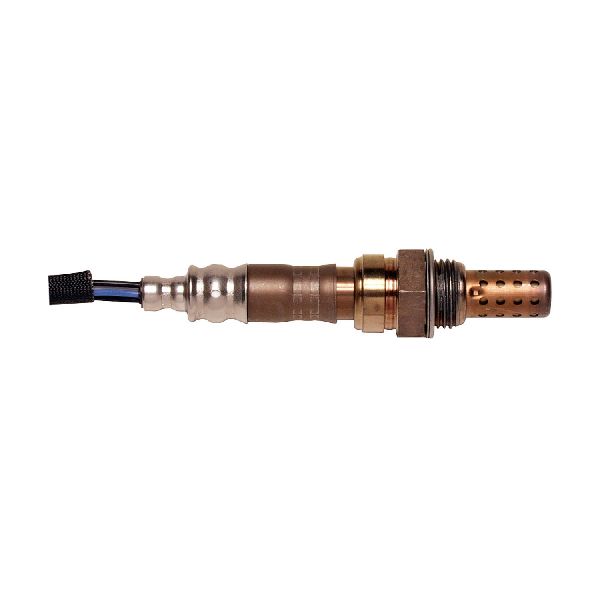
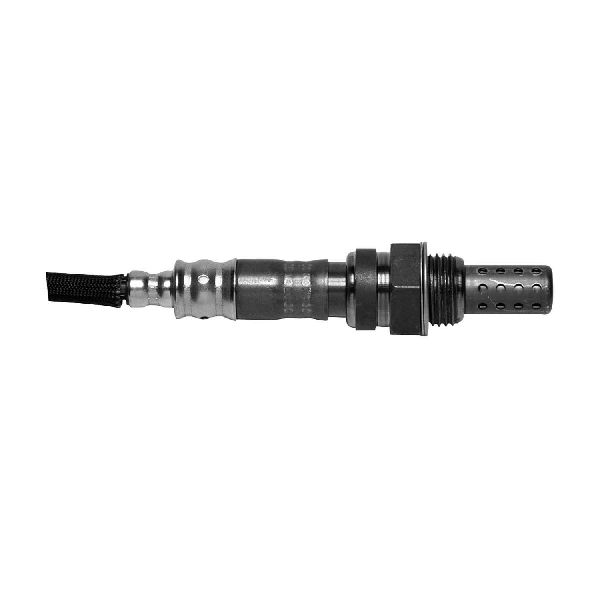
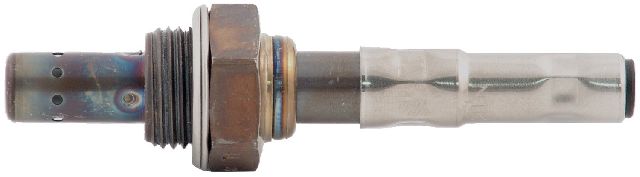
Your Eclipse uses heated, 4-wire oxygen sensors. The upstream sensor is Denso part number 234-4026 and the downstream is Denso 234-4027. Always confirm the specific part number for your exact year and engine model (turbo or non-turbo) before purchasing.
We Have This Part in Stock


The information in this article is provided for general reference and educational purposes only. Vehicle specifications, procedures, and part compatibility can vary by production date, trim level, and region. Always consult your vehicle's factory service manual and verify part numbers before purchasing or performing repairs. Safety-critical components such as airbags, seat belts, and braking systems should be installed by a qualified professional.
- Mitsubishi Eclipse: