

BMW 530i Oxygen Sensor Guide for E34, E39, and E60 (1994-2008)
Everything you need to know before replacing an oxygen sensor on your BMW 530i.
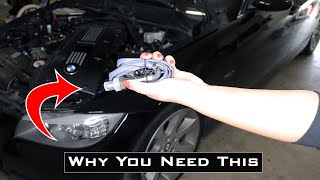
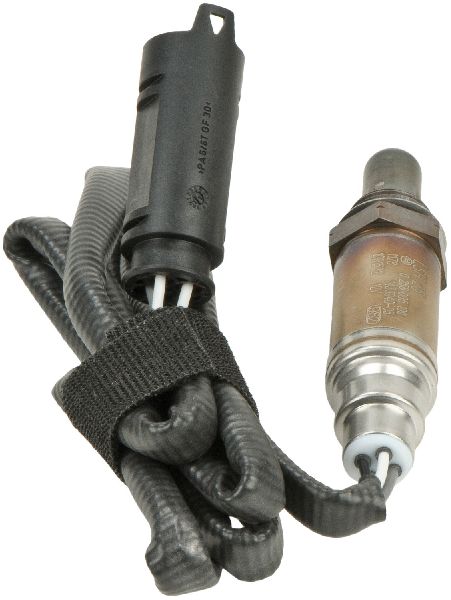
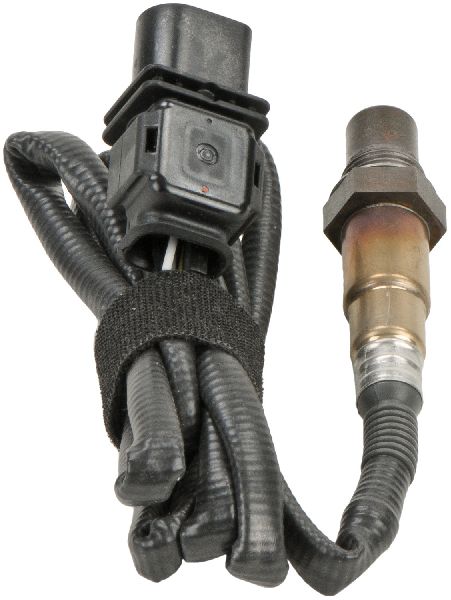
- Stick with Bosch brand sensors for your BMW; they are the original equipment manufacturer and offer the best reliability.
- Your 530i has four sensors; identify the correct failed sensor (Bank 1/2, Sensor 1/2) before ordering.
- Replacing sensors in pairs (both upstream or both downstream) is recommended for balanced engine performance.
- Do not ignore a failing O2 sensor, as it can lead to costly damage to your catalytic converters.
Signs of a Failing Oxygen Sensor
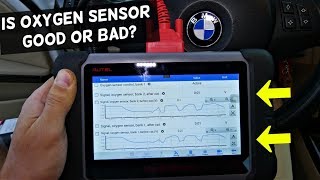
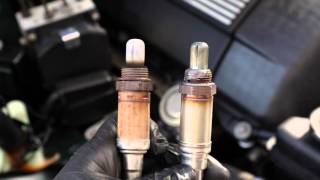
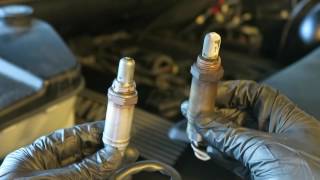
The most common sign of a bad oxygen sensor is a Check Engine Light on your dashboard. However, you might notice other problems first. A worn-out sensor can cause a noticeable drop in fuel economy, a rough or unstable idle, and a general lack of engine power. Some drivers also report a rotten egg or sulfur smell coming from the exhaust, which is a sign the engine is running too rich. 🎬 Watch: How to tell if your BMW oxygen sensor is bad. Ignoring a bad oxygen sensor can eventually damage your expensive catalytic converters, so it's a repair you shouldn't put off.
Generation Differences: E34, E39, and E60
The 1994-2008 530i covers three different chassis, each with unique engine configurations. It's critical to know which one you have before ordering parts.
- E34 (1994-1995): These models use a V8 engine and have a different sensor layout than the later inline-six models. They typically have four sensors.
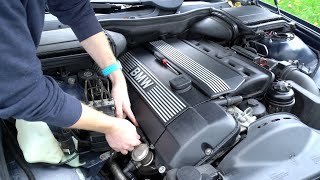
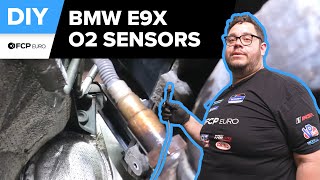
- E39 (2001-2003): These use the M54 inline-six engine and have four sensors. Two pre-cat sensors are located in the exhaust manifolds, accessible from the engine bay. 🎬 See this walkthrough for replacing upstream sensors on the M54 engine. Two post-cat sensors are located underneath the car, after the catalytic converters.
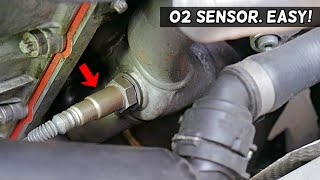
- E60 (2004-2007): These use M54 and later N52 inline-six engines. 🎬 Watch: Step-by-step oxygen sensor replacement for the N52 engine. The layout is similar to the E39, with two pre-cat sensors in the manifold and two post-cat sensors under the car.
Pro Tip: Bank 1 (B1) refers to cylinders 1-3, and Bank 2 (B2) refers to cylinders 4-6. Sensor 1 (S1) is always the pre-cat (upstream) sensor, and Sensor 2 (S2) is the post-cat (downstream) sensor. Your diagnostic trouble code will tell you exactly which sensor has failed.
Choosing the Right Aftermarket Oxygen Sensor
When it comes to sensors for a BMW, brand choice matters. Using a low-quality part can result in continued performance issues or a short service life.
Brand Quality Tiers
| Tier | Brands | Assessment |
|---|---|---|
| OEM / Tier 1 | Bosch | Bosch is the original equipment manufacturer (OEM) for BMW oxygen sensors. This is the most recommended brand for guaranteed fit, function, and longevity. Many forum members and mechanics advise using only Bosch. |
| High-Quality Aftermarket | Denso, NGK (NTK) | These brands are well-respected in the industry and are often OEM suppliers for other vehicle manufacturers. They are considered a reliable and safe alternative if a Bosch sensor is not available. |
| Standard Aftermarket | Delphi, Hella, Spectra | These brands generally offer good quality parts that meet or exceed OEM specifications. They can be a good mid-range option that balances cost and quality. |
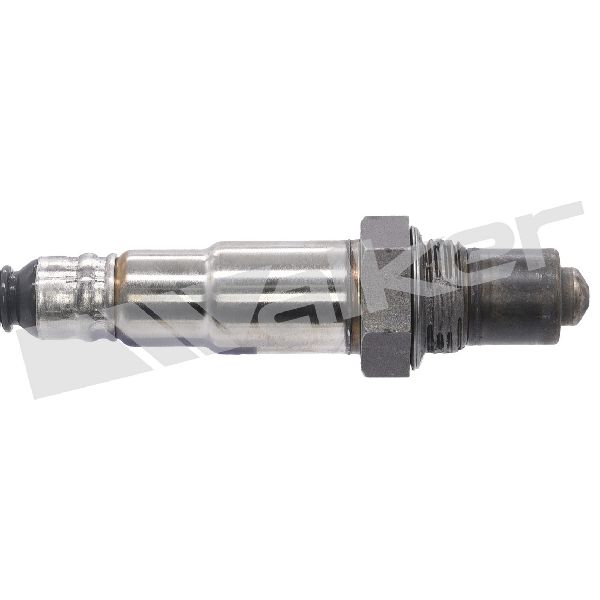
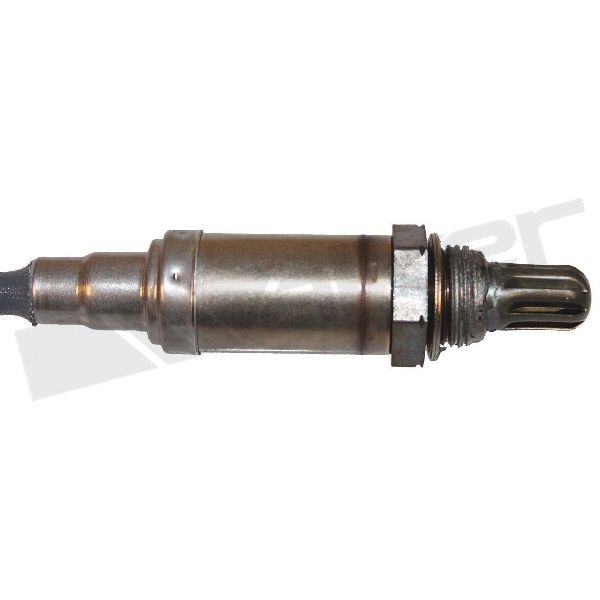
| Budget / Economy | URO Parts, Walker Products, DriveWire, Facet, Vemo | Use with caution. While these brands offer a significant cost saving, some BMW owners have reported issues with premature failure or incorrect readings, especially with URO and Walker for this specific application. While they may work, their lifespan might be shorter than higher-tier brands. |
Frequently Asked Questions
How many oxygen sensors does my 530i have?
Most 530i models from this period (E39 and E60 with inline-6 engines) have four oxygen sensors: two upstream (pre-cat) and two downstream (post-cat). The E34 V8 model also has four.
Should I replace all four sensors at once?
You don't have to, but it's often recommended. Oxygen sensors degrade over time, so if one has failed, the others may not be far behind. At a minimum, it's good practice to replace them in pairs (both upstream or both downstream) to ensure balanced engine readings.
What is the difference between an upstream and downstream sensor?
The upstream (pre-cat) sensor measures the air-fuel mixture coming out of the engine and is vital for performance and fuel economy. The downstream (post-cat) sensor's main job is to check the efficiency of the catalytic converter. They are not interchangeable. Make sure you order the correct one for the position you are replacing.
Is there a recall on BMW 530i oxygen sensors?
No, there are no active safety recalls for oxygen sensors on the 1994-2008 BMW 530i. Some newer BMW models have had technical service bulletins (TSBs) or warranty extensions for O2 sensors, but these do not apply to the E34, E39, or E60 generations.
What is the most common mistake when ordering?
The most common mistakes are confusing upstream vs. downstream sensors and Bank 1 vs. Bank 2. The connectors and wire lengths are often different. Always verify the part number and location before ordering. Using your car's VIN to confirm fitment is the best way to avoid errors.
Helpful Videos
Technical Specifications
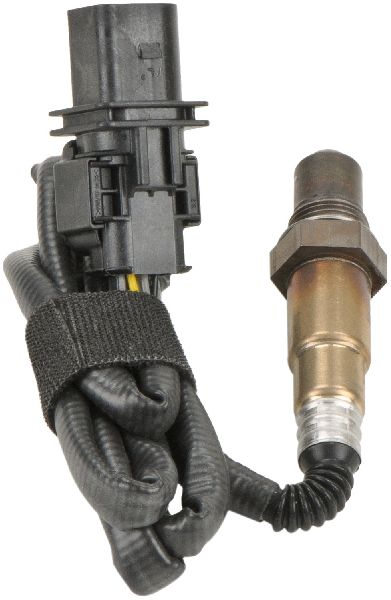
OEM Part Numbers: 11781742050 (E39 M54 Pre-Cat) 11781433940 (E39 M54 Post-Cat) 11787537984 (E60 N52 Pre-Cat, up to 11/2005) 11787545074 (E60 N52 Post-Cat)
Number of Sensors: 4 (2 upstream, 2 downstream). Socket Size: 22mm or 7/8 inch.
We Have This Part in Stock


The information in this article is provided for general reference and educational purposes only. Vehicle specifications, procedures, and part compatibility can vary by production date, trim level, and region. Always consult your vehicle's factory service manual and verify part numbers before purchasing or performing repairs. Safety-critical components such as airbags, seat belts, and braking systems should be installed by a qualified professional.
- BMW 530i: