

Buick Century Oxygen Sensor: A Guide for 1994-2005 Models
Everything you need to know before replacing an oxygen sensor on your Buick Century.
- Always use a 'direct-fit' sensor; avoid universal parts that require splicing wires.
- For 1996+ models, confirm if the faulty sensor is upstream (hard to access) or downstream (easier).
- Premium brands like ACDelco, Denso, or NGK are recommended for reliability and longevity on GM vehicles.
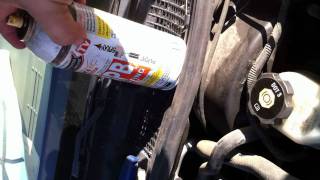
- Be prepared for the old sensor to be seized in the exhaust; use penetrating oil beforehand.
Is Your Buick Century's Oxygen Sensor Failing?

A bad oxygen sensor is a common reason for the check engine light to come on in 1994-2005 Buick Century models. When this small but important part fails, it can cause noticeable problems with how your car runs. Ignoring a failing O2 sensor can lead to poor fuel mileage, a rough-running engine, and eventually, damage to your expensive catalytic converter.
Symptoms of a Bad Oxygen Sensor

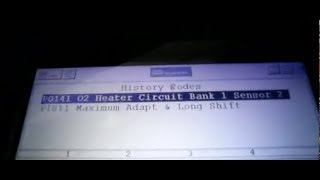
- Check Engine Light: This is the most common sign. Codes like P0135, P0141, P0171, or others in the P0130-P0160 range often point to an O2 sensor issue.
- Poor Fuel Economy: The engine's computer may receive incorrect data, causing it to use more fuel than necessary.
- Rough Idle or Engine Stalling: Incorrect air-fuel mixture can make your engine run poorly, especially when stopped.
- Engine Hesitation or Misfires: You might feel the engine stumble or lose power during acceleration.
- Failed Emissions Test: A bad O2 sensor will prevent your car from passing a smog check.
Upstream vs. Downstream Sensors
For 1996 and newer models, it's critical to identify which sensor has failed. Upstream (Bank 1, Sensor 1) sensors are located on the exhaust manifold before the catalytic converter. On the common 3.1L V6, this sensor is on the back of the engine near the firewall and is notoriously difficult to reach. Downstream (Bank 1, Sensor 2) sensors are located after the catalytic converter and are much easier to access from under the car. An OBD-II scanner will tell you which sensor is reporting a fault.
Choosing the Right Aftermarket Oxygen Sensor

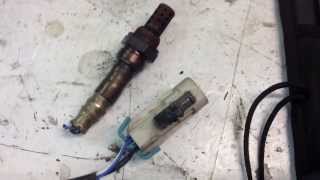
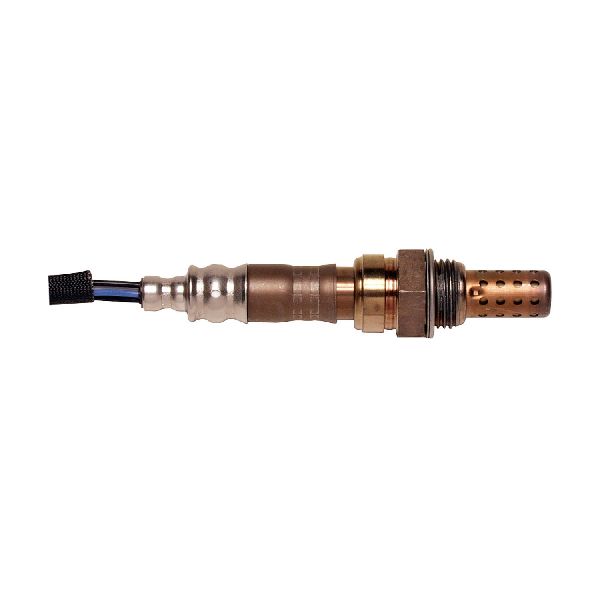
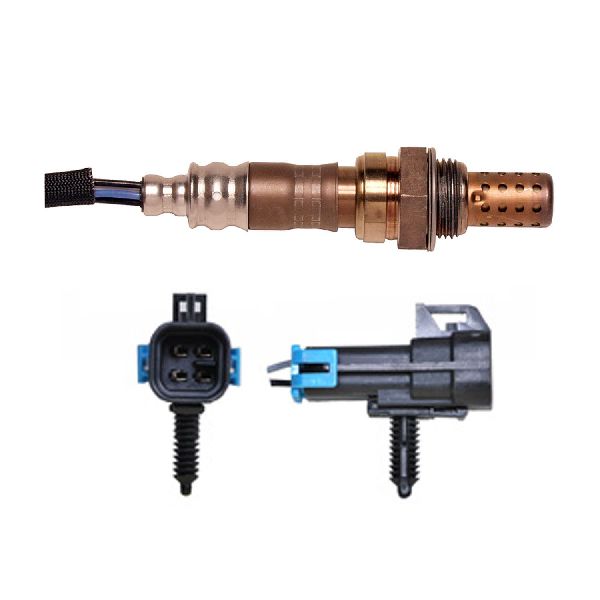
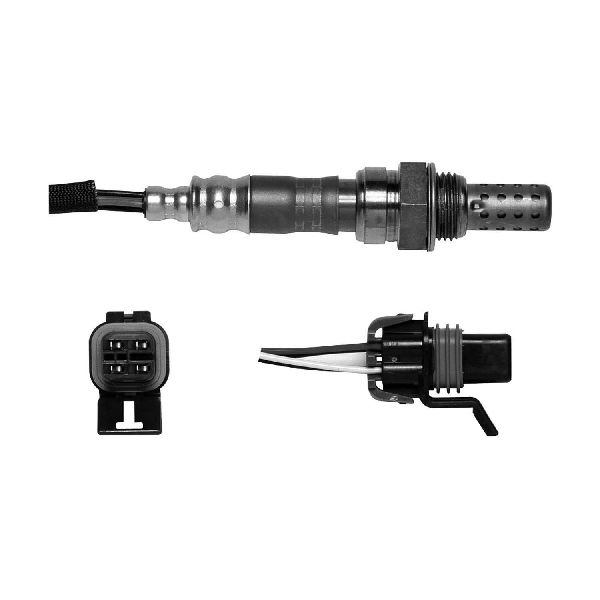
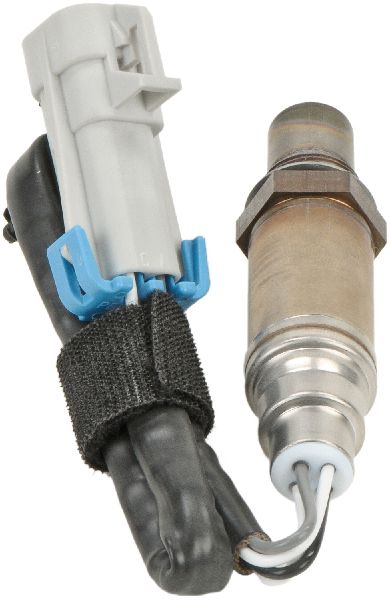
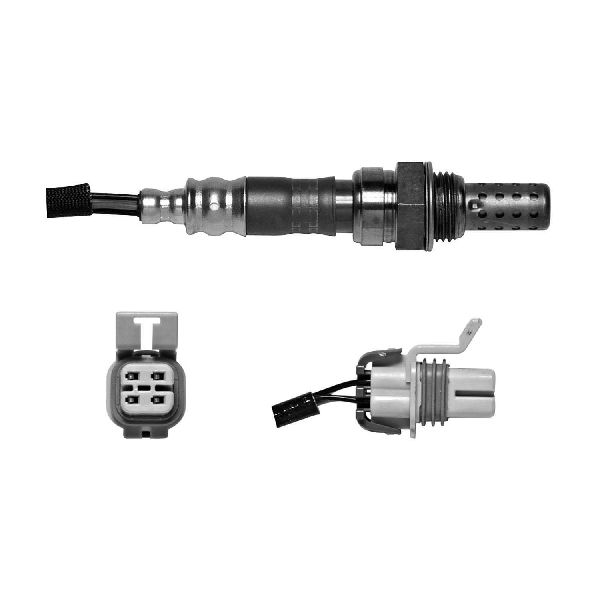
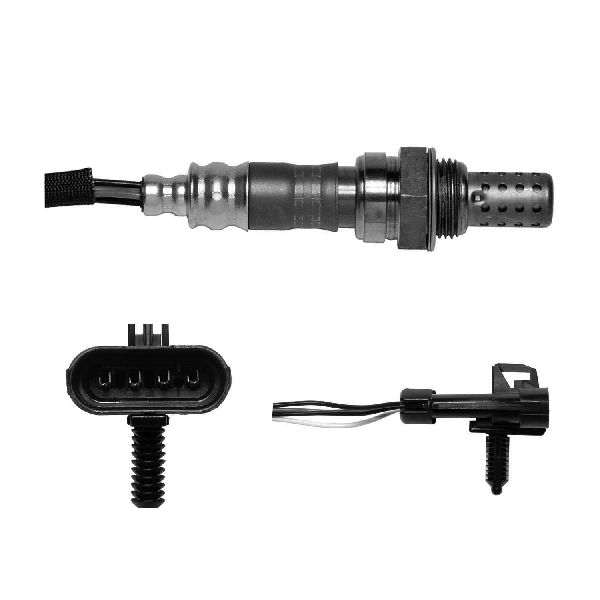
When shopping for a new oxygen sensor, you'll find many brands. It is highly recommended to use a 'direct-fit' sensor with the correct plug. Avoid 'universal' sensors that require you to cut and splice wires, as they are a common source of future problems.
Brand Quality Tiers
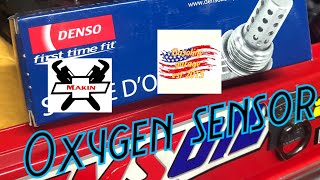
- Premium Aftermarket (Recommended): Brands like ACDelco (the original GM part), Denso, and NGK/NTK are excellent choices. They are known for their reliability and are often the original equipment manufacturer for GM. Spending a little more here can save you headaches later.
- Standard Aftermarket: Brands like Bosch, Delphi, and Walker Products offer a balance of quality and price. While many have success with them, some professional mechanics report occasional issues with Bosch sensors on GM vehicles.
- Economy Brands: Brands like DriveWire or other store brands can be a budget-friendly option. While they may function correctly, their long-term durability may not match that of premium brands.
A Note on Known Issues
No specific recalls or widespread technical service bulletins (TSBs) exist for oxygen sensor failure on the 1994-2005 Century. However, be aware of two things: First, these sensors are often seized in the exhaust pipe due to age and rust. Spraying the threads with a good penetrating oil a day before you plan to do the work can help greatly. Second, check the wiring harness for damage. Oil or power steering fluid leaks from above can contaminate the sensor's connector and cause false codes.
Typical Replacement Costs
The cost can vary depending on the brand you choose and whether you do the work yourself.
| Item | Estimated Cost |
|---|---|
| New Aftermarket Oxygen Sensor | $28 - $107 |
| Shop Labor | $80 - $150 |
| Total Professional Replacement | $108 - $257 |
Frequently Asked Questions

How many oxygen sensors does my 1994-2005 Buick Century have?
It depends on the year. Models from 1996-2005 with the 3.1L V6 have two sensors: one upstream and one downstream. Pre-1996 OBD-I models typically have only one or two upstream sensors.
Can I replace the oxygen sensor myself?
Yes, this is a DIY-feasible job for someone with moderate experience. The downstream sensor is relatively easy. The upstream sensor is very difficult due to its location against the firewall. You will need a special oxygen sensor socket (a 7/8" or 22mm socket with a slot for the wire) and may need a breaker bar for a seized sensor.
Why should I avoid a universal O2 sensor?
Universal sensors require you to cut the old connector off and splice it onto the new sensor. This creates multiple points of potential failure from bad connections or corrosion. A direct-fit sensor plugs right in, ensuring a reliable connection.
I replaced the sensor, why is my check engine light still on?
After replacement, the trouble code must be cleared from the computer using an OBD-II scanner. If the light returns, the issue could be something else, such as a vacuum leak, an exhaust leak, a wiring problem, or you may have replaced the wrong sensor (e.g., downstream instead of upstream).
Helpful Videos

Technical Specifications
OEM part numbers vary significantly by model year, engine, and sensor position (upstream/downstream). The most important specification is ensuring the part is a 'direct-fit' for your specific vehicle configuration. The sensor thread size is typically 18mm, requiring a 7/8" (22mm) wrench or socket for removal.
We Have This Part in Stock

The information in this article is provided for general reference and educational purposes only. Vehicle specifications, procedures, and part compatibility can vary by production date, trim level, and region. Always consult your vehicle's factory service manual and verify part numbers before purchasing or performing repairs. Safety-critical components such as airbags, seat belts, and braking systems should be installed by a qualified professional.
- Buick Century: