

Buick Century Engine Coolant Temperature Sensor Guide (1994-2005)
Solve overheating, poor fuel economy, and check engine lights by understanding this critical sensor.
- A faulty ECT sensor can cause overheating, poor fuel economy, a check engine light, and rough running.
- For best reliability, choose premium aftermarket brands like ACDelco or Delphi, which were original equipment suppliers for GM.
- This is an inexpensive and easy part to replace yourself, often taking less than an hour with basic tools.
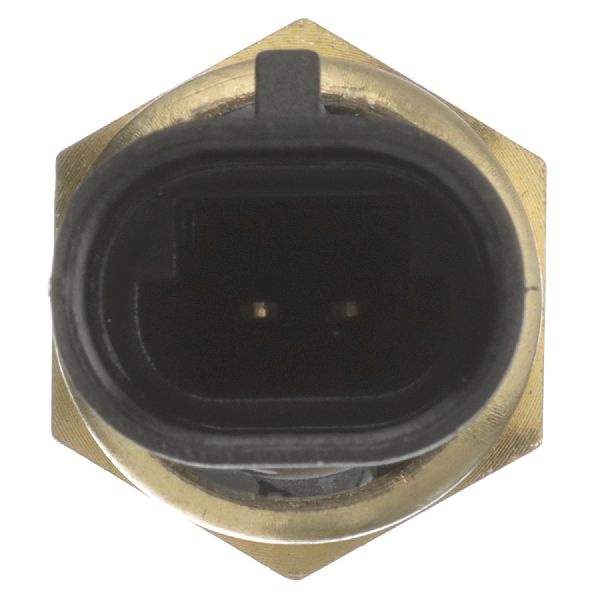
- Visually check if your car needs a 2-pin or 3-pin sensor before ordering to avoid mistakes.
Symptoms of a Failing Coolant Temperature Sensor
A bad coolant temperature sensor can make your Buick Century behave in strange ways. Because the sensor's reading affects so many engine functions, a false signal can cause a chain reaction of problems. You might notice one or more of these signs:
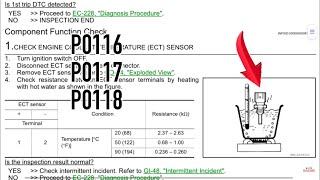
- Check Engine Light: This is often the first sign. The engine computer detects a signal from the sensor that is out of the normal range and triggers a warning light. Common trouble codes include P0116, P0117, P0118, and P0128. 🎬 See a detailed explanation of these common sensor trouble codes.
- Engine Overheating: If the sensor fails to tell the computer the engine is hot, the cooling fans may not turn on when needed. This can lead to the engine overheating, which can cause serious damage if ignored.
- Poor Fuel Economy: A faulty sensor might always tell the computer the engine is cold. The computer will then enrich the fuel mixture, similar to how a choke works on an older engine. This wastes gas and can lead to a noticeable drop in your miles per gallon.
- Black Smoke from Exhaust: A very rich fuel mixture from a bad sensor signal can result in unburned fuel entering the exhaust. This can create black smoke coming from the tailpipe.
- Erratic Temperature Gauge: The gauge on your dashboard might swing back and forth, stay on cold even when the engine is warm, or jump straight to hot.
- Rough Idle and Poor Performance: With the wrong fuel mixture and ignition timing, the engine can idle roughly, hesitate, or feel sluggish during acceleration.
A Note on the "Low Coolant" Light
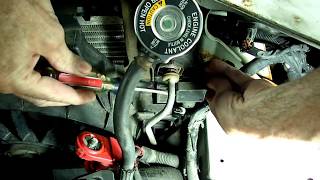
The 1994-2005 Buick Century has a separate Low Coolant Level Sensor, usually located on the side of the radiator. This sensor can also fail and cause a persistent "Low Coolant" light on the dash, even when the coolant level is full. This is a different part from the Engine Coolant Temperature (ECT) sensor discussed in this article.
🎬 Watch how to replace the separate low coolant level sensor.Choosing the Right Aftermarket Sensor
For a critical but inexpensive part like the ECT sensor, brand quality matters. Sticking with brands known for their electronics and OEM heritage is a smart move for your Buick Century.
Brand Quality Tiers
- Tier 1: Premium OEM & OEM-Equivalent (ACDelco, Delphi)
ACDelco is the original GM parts brand, and choosing their GM Original Equipment line ensures a perfect fit and performance identical to the factory part. Delphi was a spin-off from GM and a major original equipment manufacturer for them. Their sensors are known for high quality and reliability, often being the exact same part as the ACDelco one, just in a different box. For this vehicle, you cannot go wrong with either of these brands. - Tier 2: Reputable Aftermarket (NGK/NTK, Standard Ignition/SMP, Beck Arnley)
Brands like NGK (NTK) and Standard Motor Products (SMP) have a strong reputation for producing reliable electronic components that meet or exceed OEM specifications. Beck Arnley specializes in sourcing parts that match the original equipment form and function. These are solid choices if you can't find or prefer an alternative to ACDelco or Delphi. - Tier 3: Value-Focused (Four Seasons, Walker Products, True Tech, etc.)
These brands provide a functional replacement at a lower cost. While they can get your car running, they may not have the same long-term durability or precise calibration as the premium brands. Given the small price difference and the critical role of this sensor, it's generally recommended to invest in a Tier 1 or Tier 2 brand for peace of mind.
Pro Tip: Check the Connector
Over the long 1994-2005 production run, some Buick Century models used a 2-pin sensor while others used a 3-pin sensor. Always visually inspect your old sensor and its electrical connector before ordering to ensure you get the correct part. The third pin on some models is reportedly unused but the connector shape is different.
| Item | Estimated Cost |
|---|---|
| New Aftermarket Sensor | $12.58 - $50.04 |
| Shop Labor | $75 - $150 |
| Total Professional Replacement | $88 - $200 |
Frequently Asked Questions
Where is the coolant temperature sensor located on a 1994-2005 Buick Century?
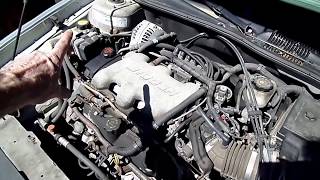
On most Buick Century models with the common 3.1L V6 engine, the ECT sensor is located on the driver's side of the engine, near the thermostat housing, which is at the top of the engine where the upper radiator hose connects. It is screwed into the engine block or intake manifold in that area.
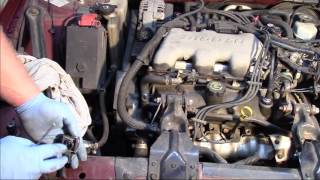
Can I replace this sensor myself? 🎬 Watch this step-by-step sensor replacement guide for your GM engine.
Yes, this is a very DIY-friendly job for most home mechanics. It typically requires basic hand tools like a deep socket and ratchet. The main steps are draining some coolant, unplugging the electrical connector, unscrewing the old sensor, screwing in the new one, and topping off the coolant. The job can usually be done in under an hour.
What happens if I don't replace a bad ECT sensor?
Ignoring a bad sensor can lead to serious problems. At best, you'll suffer from poor fuel economy and performance. At worst, the engine could overheat without warning, potentially causing catastrophic damage like a warped cylinder head or blown head gasket.
Are there any recalls for this part?
There are no specific recalls issued by the NHTSA for the engine coolant temperature sensor on the 1994-2005 Buick Century. However, some Technical Service Bulletins (TSBs) for similar GM vehicles mention that faulty sensor readings can cause other issues, reinforcing the importance of a properly functioning sensor.
Helpful Videos

Technical Specifications
OEM Part Numbers: 15326386 25036979 55591002 88924810
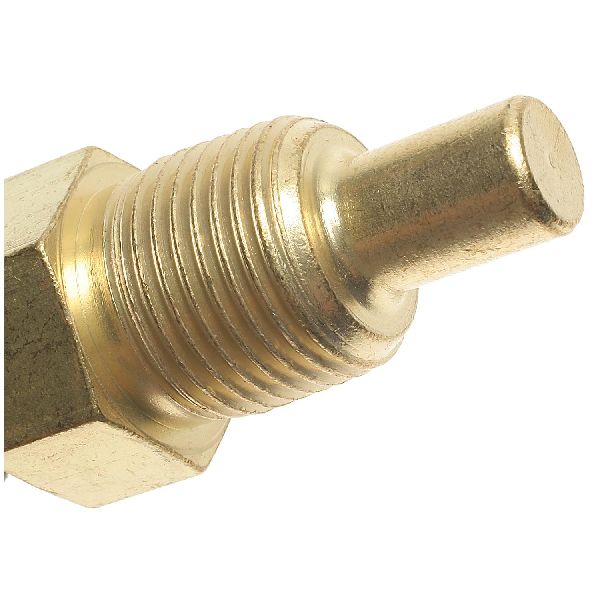
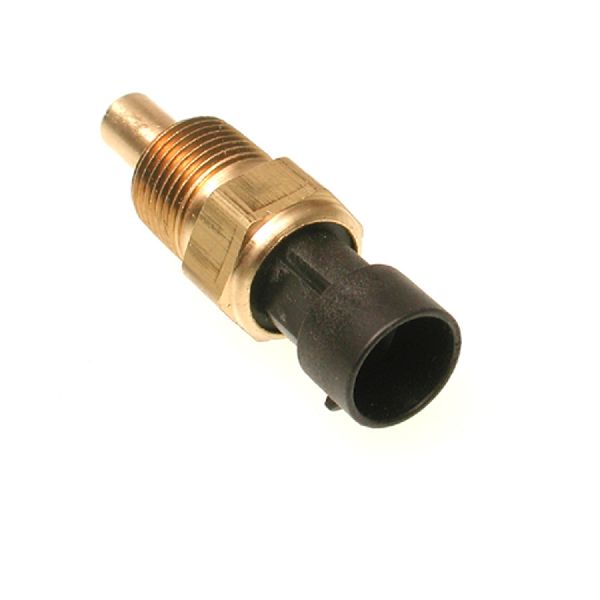
Typically has a 3/8" NPT thread size and a 2-pin or 3-pin electrical connector. Made of brass for effective heat conduction.
We Have This Part in Stock



The information in this article is provided for general reference and educational purposes only. Vehicle specifications, procedures, and part compatibility can vary by production date, trim level, and region. Always consult your vehicle's factory service manual and verify part numbers before purchasing or performing repairs. Safety-critical components such as airbags, seat belts, and braking systems should be installed by a qualified professional.
- Buick Century: