

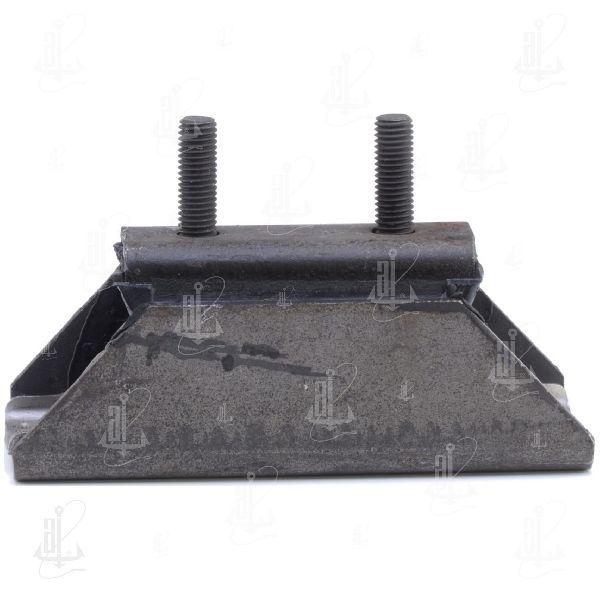
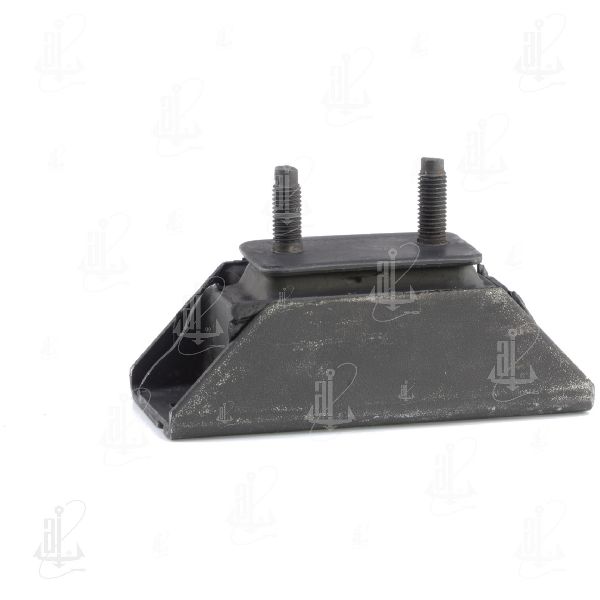
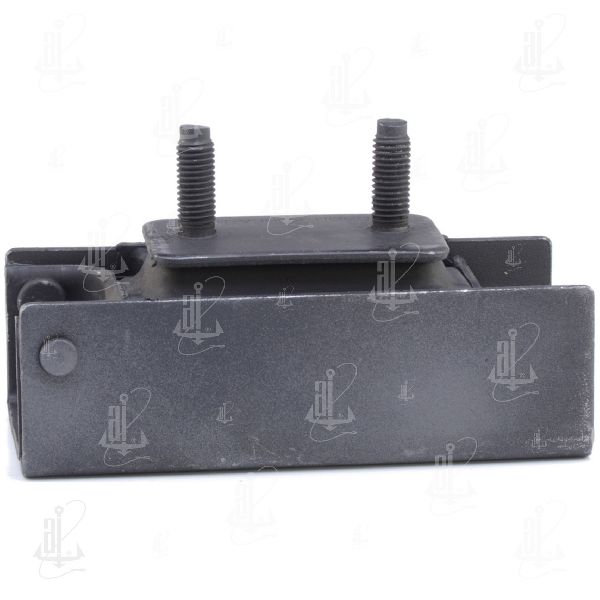
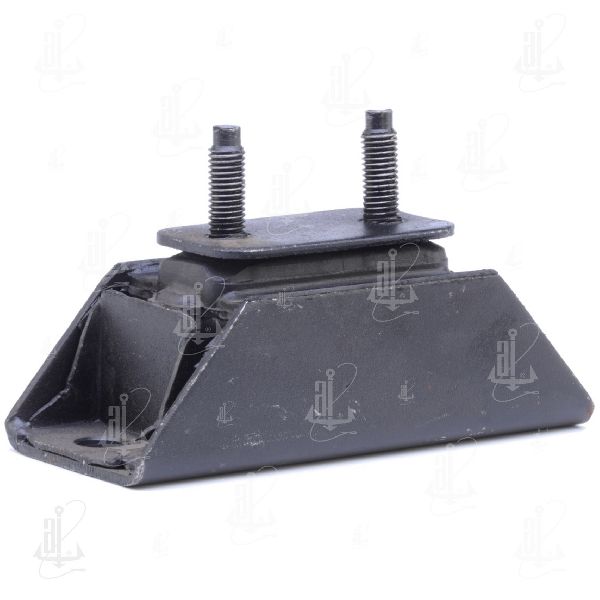
Ford F-150 (1994-2003) Automatic Transmission Mount Replacement Guide
Stop the clunking and shaking in your F-150 by understanding how to choose and replace your transmission mount.
- A loud 'clunk' when shifting into gear is the most common symptom of a failed transmission mount.
- Aftermarket mounts from brands like Anchor, DEA, and Westar offer significant savings, but OEM/Motorcraft provides the highest quality.
- Driving with a bad mount should be limited; the excessive movement can damage other parts like exhaust, hoses, and engine mounts.
- Ensure you order the correct part for your truck's drivetrain, as 2WD and 4WD models use different mounts.
Symptoms of a Failing Transmission Mount
When the rubber in the transmission mount wears out, cracks, or gets soaked with leaking fluids, it can no longer do its job. The symptoms are usually very noticeable and get worse over time.
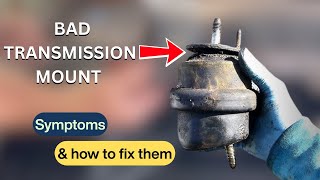
- Clunking or Thumping Noises: This is the most common sign. You might hear a loud 'clunk' or 'bang' when you shift from Park to Drive or Reverse. This noise can also happen when you accelerate hard or brake suddenly. The sound is the transmission itself lurching and hitting the frame. 🎬 Watch: See these 7 signs of a bad transmission mount.
- Excessive Vibrations: A bad mount can't absorb vibrations, so they travel through the truck's frame into the cab. You may feel a new, heavy vibration through the floor, seats, or steering wheel, especially when idling in gear at a stoplight.
- Excessive Movement: You might feel the whole engine and transmission assembly move more than it should when you accelerate or decelerate. A mechanic can often spot this by watching the engine while a helper shifts the truck between Drive and Reverse with the brakes held firmly.
Choosing the Right Aftermarket Part
For a part like a transmission mount on the 1994-2003 F-150, aftermarket options provide excellent value. The original Ford (Motorcraft) parts are high quality, but many owners find that budget-friendly aftermarket brands perform well for this simple component. However, quality can vary.
Brand Tiers:
- Value Brands (Anchor, DEA, Westar): These are widely available and are the most affordable options. Forum discussions show mixed experiences; some owners use them with no issues, while others report they wear out faster than OEM or have minor fitment issues. For a daily driver under normal use, they are a practical choice.
- OEM-Quality Aftermarket (Pioneer): Some brands focus on closely matching the original factory part's quality and appearance. If you can find a Pioneer mount, it may offer a good balance between the cost of a value brand and the quality of OEM.
- OEM (Motorcraft): While more expensive, a genuine Ford/Motorcraft mount is often considered the most durable and reliable option, guaranteed to fit perfectly.
Cost of Replacing an F-150 Transmission Mount
| Part/Service | Estimated Cost |
|---|---|
| New Aftermarket Part | $23 - $43 |
| New OEM (Motorcraft) Part | $130 - $210 |
| Shop Labor | $100 - $215 |
Cost estimates are based on available data and may vary by location and supplier. Aftermarket price range provided.
Frequently Asked Questions (FAQ)
Is replacing the transmission mount a good DIY job?
Yes, for most home mechanics with a good set of tools, this is a very doable job. You will need a floor jack, jack stands, and basic metric wrenches or sockets. The process involves supporting the transmission with the jack, unbolting the crossmember and old mount, swapping in the new part, and bolting everything back together.
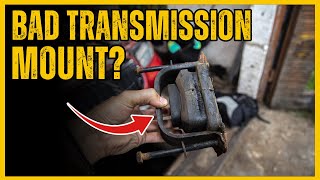
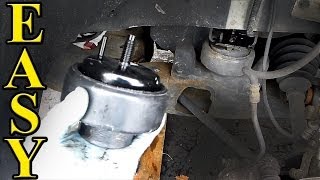
🎬 See this walkthrough for replacing the mount on your F-150.Are there any recalls on the 1994-2003 F-150 transmission mount?
No, there are no specific recalls or widespread Technical Service Bulletins (TSBs) from Ford for the transmission mount on this generation of F-150. Failures are almost always due to normal wear and tear over time. Note that other transmission-related recalls exist for different model years, but they do not pertain to the mount itself.
How do I know if it's the transmission mount or a U-joint?
This is a great question, as both can cause clunking noises. A bad transmission mount clunk is most common when shifting gears from a standstill (Park to Drive). A bad U-joint clunk is more often heard when you are already moving and get on or off the gas, or it can cause a rotational, high-speed vibration. If you replace the mount and still hear a clunk, inspect the driveshaft U-joints for play.
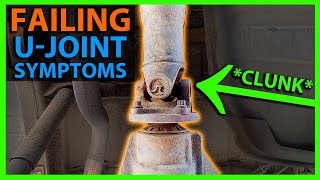
🎬 Watch: How to identify symptoms of a failing U-joint.Should I replace the engine mounts at the same time?
It's a good idea to inspect them. The engine and transmission mounts work together to support the drivetrain. If the transmission mount has failed, it may have put extra stress on the engine mounts. If they are also old and show signs of cracking or collapse, replacing them all at once can save you from doing a similar job down the road.
Helpful Videos
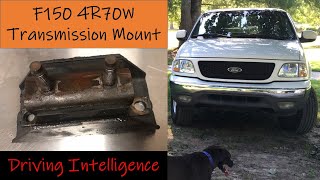
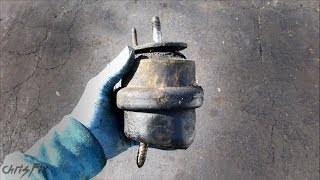

Technical Specifications
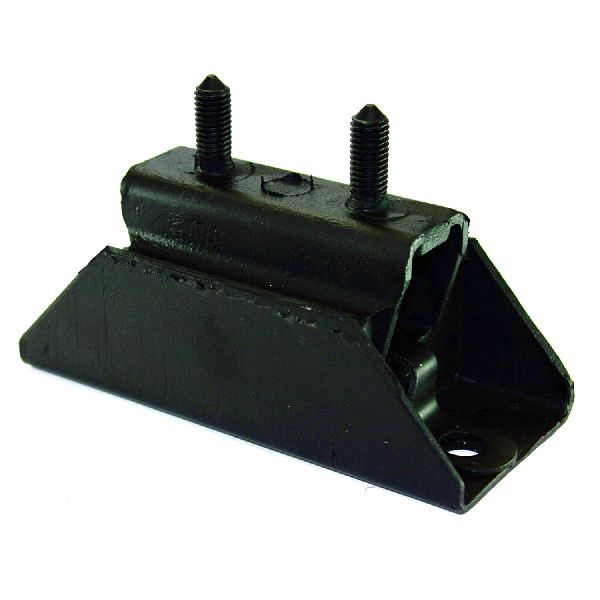
OEM Part Numbers: E7TZ-6068-C
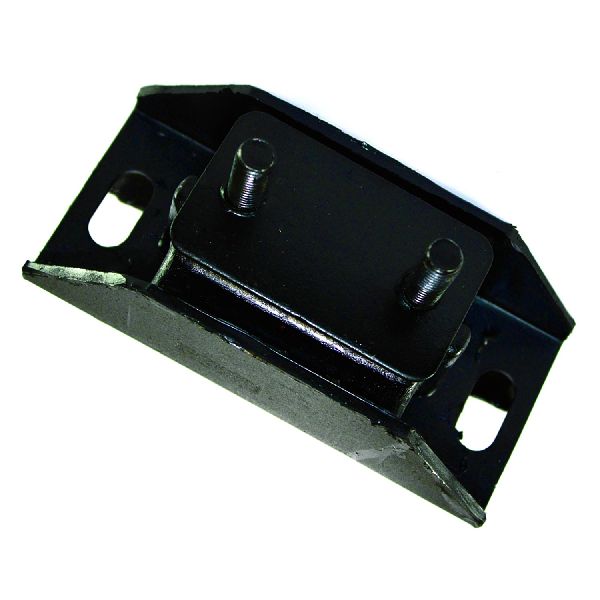
The primary difference in parts is between 2-wheel drive (2WD) and 4-wheel drive (4WD) configurations, which use differently shaped mounts. Always confirm your vehicle's drivetrain before ordering.
We Have This Part in Stock

The information in this article is provided for general reference and educational purposes only. Vehicle specifications, procedures, and part compatibility can vary by production date, trim level, and region. Always consult your vehicle's factory service manual and verify part numbers before purchasing or performing repairs. Safety-critical components such as airbags, seat belts, and braking systems should be installed by a qualified professional.
- Ford F-150: