

A Guide to Spark Plug Wire Sets for the 1994-2002 Toyota 4Runner
Keep your 3rd Gen 4Runner's engine running smoothly by choosing the right spark plug wires.
- For best performance and reliability, choose an OEM-supplier brand like Denso or NGK for your spark plug wire set.
- Always replace spark plugs (preferably dual-electrode types) at the same time as the wires for a complete tune-up.
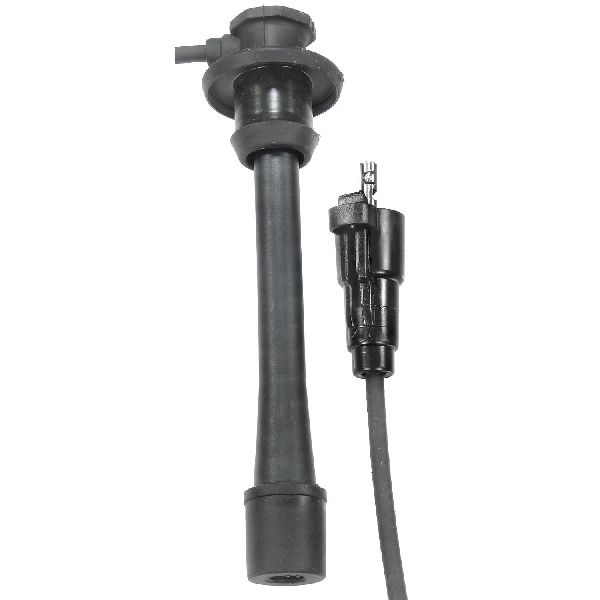
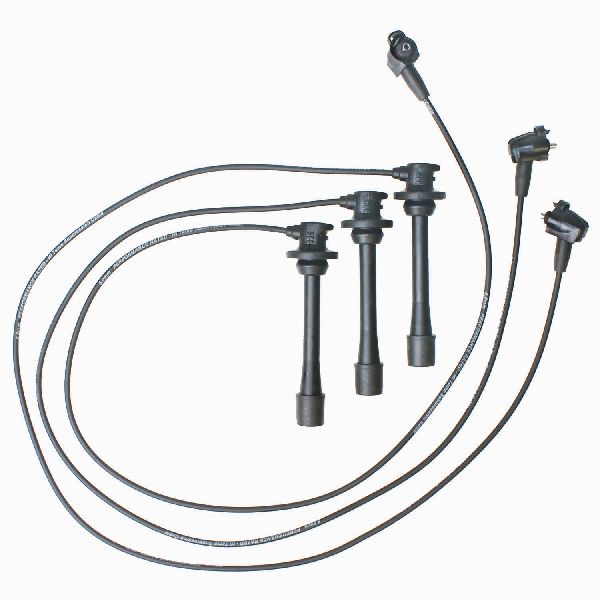
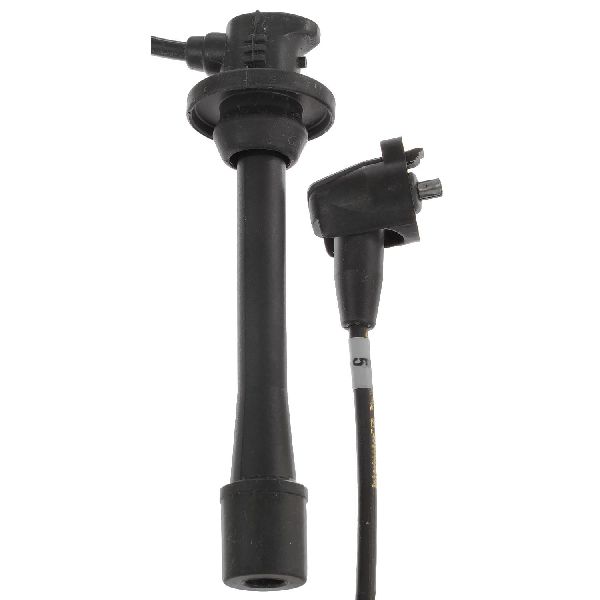
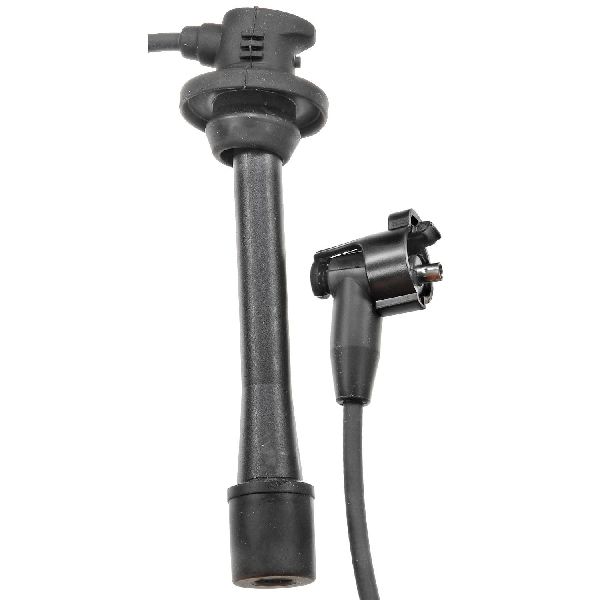
- The V6 engine has a unique setup with three wires that run from the passenger-side coil packs to the driver-side plugs.
- This is a DIY-friendly job that can be completed in about an hour with basic hand tools.
Signs of Failing Spark Plug Wires

When spark plug wires start to wear out, they can't deliver a consistent spark to the plugs. This can cause a range of problems that you'll likely notice while driving. Old, brittle, or cracked wires are a common cause of engine performance issues, especially after getting wet, like after a coolant leak.
- Rough Idle: Your 4Runner might shake or vibrate more than usual when stopped at a light.
- Engine Misfires: You may feel the engine stutter or hesitate, especially when you accelerate. This can trigger a Check Engine Light with codes like P0300 through P0306. 🎬 Watch: A simple step-by-step guide to diagnosing your engine misfire.
- Reduced Fuel Economy: When your engine misfires, unburnt fuel is wasted, and you'll find yourself filling up the tank more often.
- Difficulty Starting: A weak spark can make it harder for the engine to turn over and start.
- Loss of Power: Your 4Runner may feel sluggish and struggle to accelerate or maintain highway speeds.
Choosing the Right Aftermarket Wires

For ignition parts on a 3rd Gen 4Runner, quality matters. While many aftermarket options exist, owner experiences strongly point towards using brands that are Original Equipment Manufacturers (OEM) for Toyota.
Tier 1: OEM-Quality Brands
Denso & NGK: These two brands are the overwhelming favorites among 4Runner owners and are often the original suppliers to Toyota. In fact, it's common to find new 4Runners from the factory with Denso plugs on one side of the engine and NGK on the other. Both Denso and NGK wires are known for their perfect fit, correct resistance specifications, and long-lasting durability, ensuring your engine performs as it should. Many owners will not use anything else.
Pro Tip: For the V6 engine's wasted spark system, it's highly recommended to use dual-electrode spark plugs from Denso or NGK along with your new wires. These plugs are designed to fire twice as often and will prevent premature wear.
Tier 2: Reputable Aftermarket Brands
Standard Motor Products (Standard), Walker Products: These brands are generally considered reliable, quality aftermarket choices. They offer a good balance of performance and value. While they may not have the same legendary reputation as Denso or NGK for this specific engine, they are a solid option if the top-tier brands are not available.
Tier 3: Economy Brands
Accel, Karlyn STI, and other value-priced brands: These wire sets are the most budget-friendly. However, for a sensitive ignition system like the 4Runner's, they may not provide the same longevity, precise fit, or resistance as OEM-quality wires. Using them could lead to performance issues sooner than you'd expect. Most experienced owners recommend spending a little more for a Tier 1 set to avoid future headaches.
Known Issues, Recalls, and TSBs
Searches for recalls and Technical Service Bulletins (TSBs) related to spark plug wires on the 1994-2002 Toyota 4Runner did not reveal any specific issues. The ignition system on these vehicles is considered very reliable when maintained with quality parts. The most common problems arise from using low-quality aftermarket parts or from wires becoming old and brittle.
| Item | Estimated Cost |
|---|---|
| New Aftermarket Wire Set | $38.48 - $115.57 |
| New OEM Wire Set | $110 - $140 |
| Shop Labor | $98 - $143 |
| Total Professional Replacement | $212 - $351 |
Frequently Asked Questions

Should I replace my spark plugs at the same time?
Yes, it is highly recommended. The spark plugs and wires work together and wear out over similar intervals. Replacing them at the same time ensures a complete and effective ignition system tune-up and saves you from having to do the same job twice.
What's the real difference between OEM and aftermarket wires for my 4Runner?
For this vehicle, the difference can be significant. OEM suppliers like Denso and NGK manufacture wires to Toyota's exact specifications for length, boot angle, and electrical resistance. Cheaper aftermarket wires might have universal-fit components or higher resistance, which can lead to a weaker spark, misfires, and a shorter service life.
How often should I replace my spark plug wires?
A general recommendation is to inspect them with every spark plug change and replace them as needed, or around every 60,000 to 100,000 miles. If the boots are cracked, swollen, or if the wires have any visible damage, they should be replaced immediately.
Do I need special tools to replace the spark plug wires?
No, the job can be done with basic hand tools. You'll typically need a 10mm socket, a ratchet with an extension, a spark plug socket, needle-nose pliers, and possibly a flathead screwdriver. Applying a small amount of dielectric grease to the inside of the new wire boots is also a professional practice that helps with sealing and future removal.
🎬 Watch: Complete walkthrough for replacing plugs, wires, and coil packs.Helpful Videos

Technical Specifications
OEM Part Numbers: 19037-62050 19037-62010
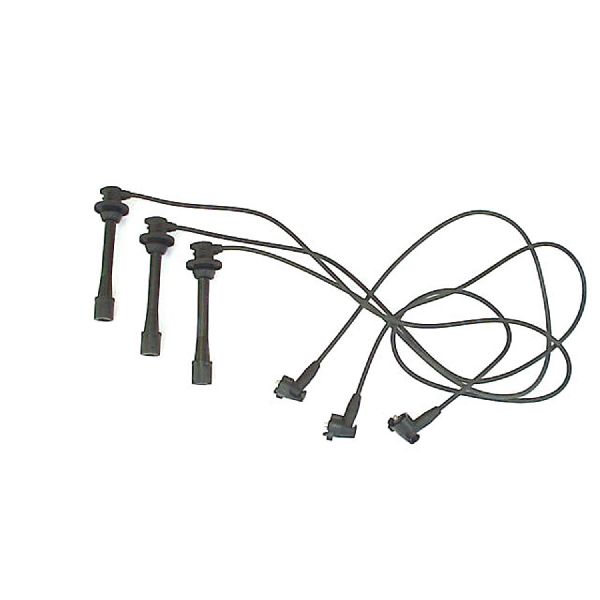
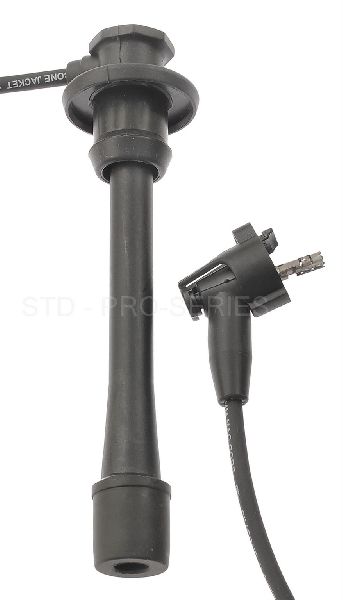
The 3rd Gen 4Runner with the 5VZ-FE 3.4L V6 uses a wasted spark ignition system. This requires a set of three spark plug wires. The passenger side bank uses three coil-on-plug units, which also provide the spark for the driver's side bank via the three wires. The 3RZ-FE 2.7L 4-cylinder uses a more conventional four-wire set.
We Have This Part in Stock

The information in this article is provided for general reference and educational purposes only. Vehicle specifications, procedures, and part compatibility can vary by production date, trim level, and region. Always consult your vehicle's factory service manual and verify part numbers before purchasing or performing repairs. Safety-critical components such as airbags, seat belts, and braking systems should be installed by a qualified professional.
- Toyota 4Runner: