

Chrysler Grand Voyager Engine Coolant Temperature Sensor (1994-2002): A Complete Guide
Is your Grand Voyager running rough, getting bad gas mileage, or showing a check engine light? Your coolant sensor could be the problem.
- A bad ECT sensor on your Grand Voyager will cause poor fuel economy, black smoke, and check engine codes like P0117 or P0118.
- Replacement is a simple, DIY-friendly job that takes less than an hour with basic tools.
- Ignoring a faulty sensor can lead to engine overheating, which may cause severe and expensive damage.
- Choose a quality aftermarket brand like NGK, Delphi, or Standard Ignition for a reliable, long-lasting repair.
Is Your Grand Voyager's Coolant Sensor Failing?
When the Engine Coolant Temperature (ECT) sensor on your 1994-2002 Chrysler Grand Voyager starts to fail, it can cause a surprising number of issues. Because the engine's computer relies on this sensor for critical data, a bad signal can make the engine think it's colder or hotter than it actually is. This leads to poor performance and can damage other parts over time. Ignoring the symptoms is not recommended, as it can lead to poor fuel economy or even engine overheating.
Choosing the Right Aftermarket Sensor
For an older vehicle like the 1994-2002 Grand Voyager, you don't necessarily need to hunt down an expensive and potentially hard-to-find OEM Mopar part. A high-quality aftermarket sensor is often a reliable and cost-effective choice. However, not all aftermarket brands are created equal. Inexpensive, unbranded sensors can be a gamble, sometimes failing quickly or providing inaccurate readings right out of the box. It's better to spend a few extra dollars on a brand with a known reputation for quality.
Brand Quality Tiers
- Premium Aftermarket (Recommended): Brands like NGK, Delphi, and Standard Ignition (SMP) are well-regarded in the industry. They often serve as original equipment manufacturers for many car brands and are known for their reliability and accuracy.
- Standard Aftermarket: Brands such as Four Seasons, Walker Products, and Holstein generally offer decent quality parts that meet or exceed original specifications. They are a solid choice for most repairs.
- Economy Brands: Lower-cost options like True Tech or Global Parts can be a budget-friendly fix. However, their long-term reliability can be inconsistent. These are often best for a temporary fix or if budget is the absolute primary concern.
Installation & Replacement
Replacing the ECT sensor is a straightforward job that most DIY mechanics can handle in under an hour.
- Location: The sensor is typically screwed into the thermostat housing or a coolant passage on the engine, often near where the upper radiator hose connects.
- Process: After letting the engine cool completely, place a drain pan underneath to catch any spills. Disconnect the electrical connector, then use a deep socket wrench to unscrew the old sensor. Quickly install the new sensor to minimize coolant loss, tighten it snugly, and reconnect the electrical plug. Top off any lost coolant.
| Part/Service | Estimated Cost |
|---|---|
| New Aftermarket ECT Sensor | $12 - $55 |
| Shop Labor for Installation | $70 - $150 |
| Total Professional Replacement | $82 - $205 |
Known Issues & Recalls
As of early 2026, there are no specific recalls for the Engine Coolant Temperature Sensor on the 1994-2002 Chrysler Grand Voyager. However, some Chrysler vehicles have had Technical Service Bulletins (TSBs) related to cooling system sensors and software that can cause similar symptoms, so ensuring an accurate diagnosis is key.
Frequently Asked Questions
What are the most common signs of a bad coolant sensor on my Grand Voyager?
The most common signs are a Check Engine Light, noticeably worse gas mileage, black smoke from the exhaust, a rough idle, and an engine that either overheats or seems to run cool all the time.
Can I drive my van with a bad ECT sensor?
You can drive for short distances, but it's not recommended for long. Your engine will run inefficiently, wasting fuel and causing unnecessary pollution. More seriously, you risk the engine overheating without warning, which can lead to catastrophic damage.
Is there one or two coolant sensors on this vehicle?
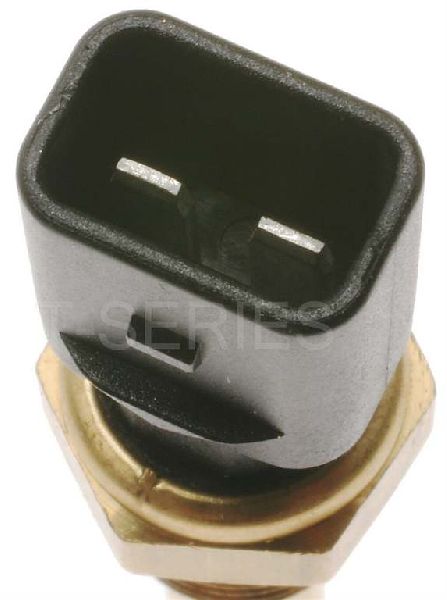
Most 1994-2002 Grand Voyager models use a single two-wire Engine Coolant Temperature (ECT) sensor that sends its reading to the engine computer (ECU). The ECU then uses this single input to control both engine functions and the temperature gauge on your dashboard.
Do I need to drain all the coolant to replace the sensor?
No, you do not need to drain the entire system. You can either drain a small amount from the radiator's petcock until the coolant level is below the sensor, or you can work quickly. If you unscrew the old sensor and immediately install the new one, you will only lose a small amount of coolant. Just be sure the engine is completely cool before starting.
Technical Specifications
OEM Part Numbers: 56027873 M56027873
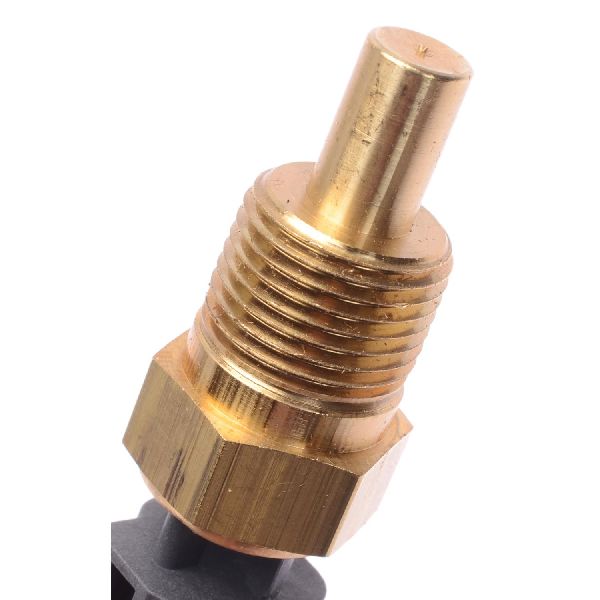
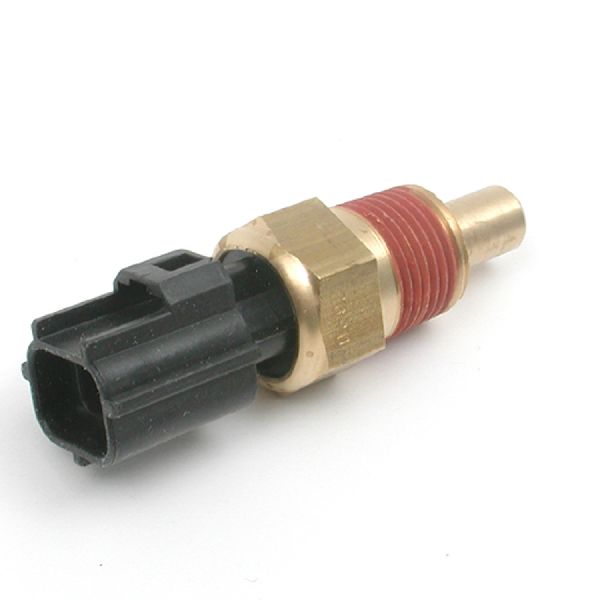
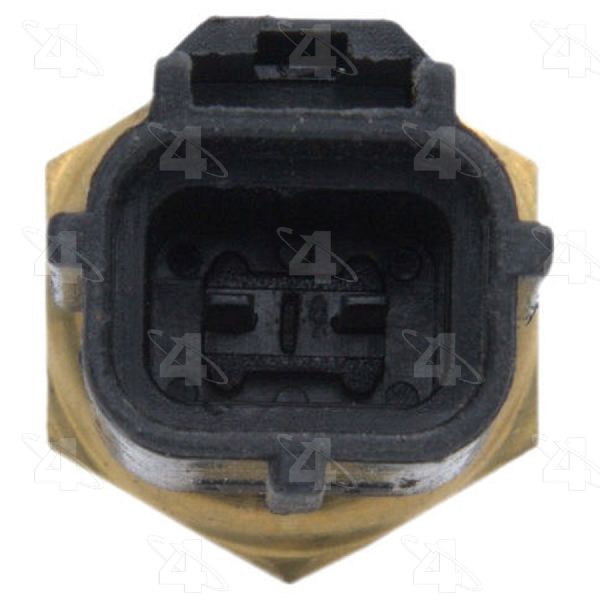
Typically a 2-pin, oval or rectangular connector thermistor sensor. The connector style may vary by year and engine, so visual confirmation is recommended.
We Have This Part in Stock


The information in this article is provided for general reference and educational purposes only. Vehicle specifications, procedures, and part compatibility can vary by production date, trim level, and region. Always consult your vehicle's factory service manual and verify part numbers before purchasing or performing repairs. Safety-critical components such as airbags, seat belts, and braking systems should be installed by a qualified professional.
- Chrysler Grand Voyager: